 Demian Sahputra
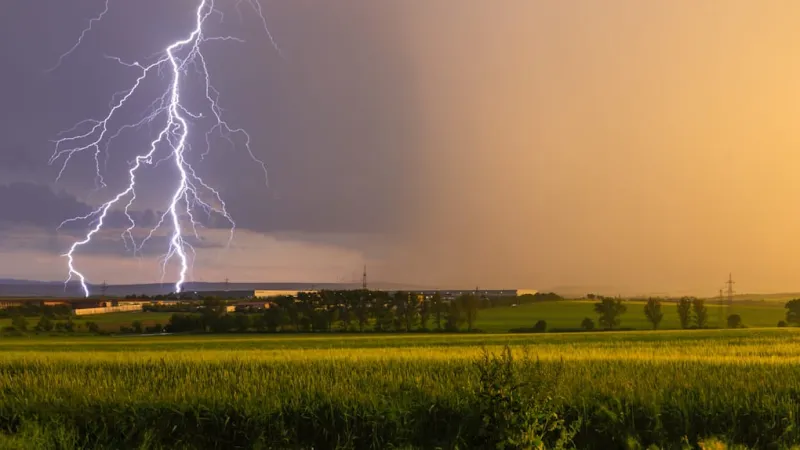
Central Europe faces an eagerly anticipated summer as climate experts forecast a particularly pronounced El Niño cycle for 2026, poised to significantly reshape weather patterns across the continent and beyond. This natural phenomenon, characterized by the warming of ocean surface temperatures in the central and eastern tropical Pacific, typically brings far-reaching meteorological consequences, making its expected intensity a major point of global concern.
The El Niño Southern Oscillation, or ENSO, operates as a powerful driver of global climate variability. Its warm phase, El Niño, develops when trade winds weaken, allowing warm waters to spread eastward across the Pacific, impacting atmospheric circulation worldwide. Scientists monitor this cycle meticulously due to its profound influence on precipitation, temperature, and storm activity.
Historically, strong El Niño events have correlated with distinct global weather anomalies. Past cycles have led to increased rainfall in some regions, prolonged droughts in others, and shifts in hurricane activity. The current projections suggest a powerful iteration, prompting meteorologists and policymakers to prepare for potentially drastic environmental and economic repercussions.
For Central Europe, the implications of a robust El Niño cycle often manifest as warmer, drier summers, increasing the risk of heatwaves and agricultural stress. However, the precise regional impact remains subject to complex atmospheric interactions, meaning some areas could also experience heightened precipitation events or altered storm tracks.
Agricultural sectors across nations from Germany to Poland are particularly vulnerable. Extended periods of drought can decimate crop yields, strain water resources, and elevate the risk of wildfires, posing considerable challenges to food security and local economies. Conversely, sudden, heavy downpours can lead to flash flooding and soil erosion.
Energy demand and infrastructure also stand to be affected. Prolonged heatwaves drive up electricity consumption for cooling, potentially straining power grids. Hydropower generation, crucial in several European countries, could diminish significantly under drought conditions, necessitating alternative energy sourcing.
While El Niño originates in the Pacific, its teleconnections — the chain of atmospheric responses — extend globally. Researchers at major meteorological centers like the European Centre for Medium-Range Weather Forecasts are collaborating to refine predictive models, providing governments and industries with the most accurate information available to mitigate potential harms.
Understanding the nuance of the El Niño cycle is critical; it is not merely a single event but a complex oscillation that interacts with other climate drivers. Its counterpart, La Niña, represents the cooling phase, often producing opposite weather patterns. The current focus remains firmly on the anticipated strength and duration of this specific warming phase.
Experts emphasize that anthropogenic climate change may exacerbate the effects of natural phenomena like El Niño. While El Niño is a natural cycle, a warming global baseline temperature can amplify its extreme weather outcomes, leading to more intense heatwaves or more severe rainfall events than historical norms.
Consequently, preparedness measures become paramount. Governments are reviewing emergency response plans, while farmers are considering drought-resistant crops and improved irrigation techniques. Public health officials are also preparing for potential increases in heat-related illnesses.
The global scientific community remains vigilant, continuously updating forecasts and sharing data. The coming months will offer critical insights into how this particularly strong El Niño cycle unfolds and its long-term implications for global weather stability and human resilience.