 Dodi Irawan
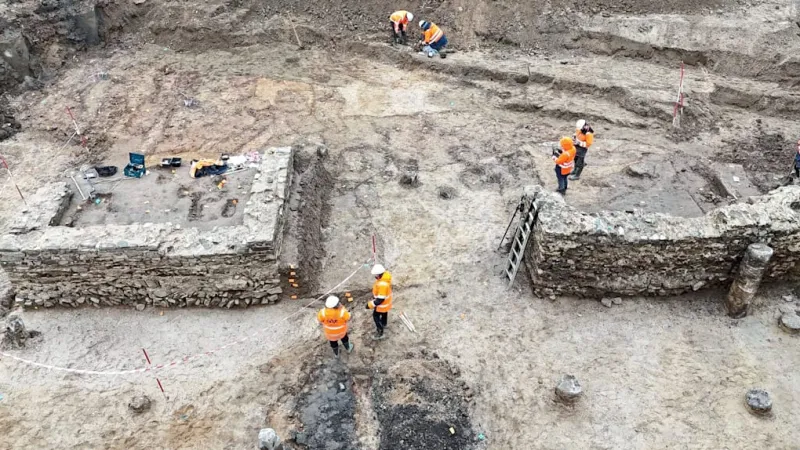
Nijmegen, Netherlands – Archaeologists have unearthed the extensive remains of a luxurious Roman thermal bath complex on the Waal riverbank, revealing a significant architectural marvel for the provinces of the Roman Empire. This remarkable discovery, made during groundwork preparations for a new residential quarter, offers unprecedented insights into the opulent lifestyle and advanced infrastructure present in what was once the Roman settlement of Noviomagus Batavorum.
The unearthed facility represents one of the largest Roman bath complexes ever discovered in a provincial territory of the vast Roman Empire. Its scale suggests a thriving urban center with substantial wealth and a sophisticated Romanized population that demanded leisure facilities comparable to those found in more central imperial cities.
Nijmegen, known historically as Ulpia Noviomagus Batavorum, served as a crucial Roman military outpost and later a civilian settlement in Germania Inferior. The citys strategic location along the Waal River, a vital waterway, contributed to its prominence and economic prosperity during the Roman era.
Roman baths were not merely places for hygiene; they functioned as central hubs for social interaction, business dealings, and intellectual pursuits. Citizens would spend hours here, moving through various chambers, each designed for specific temperatures and functions.
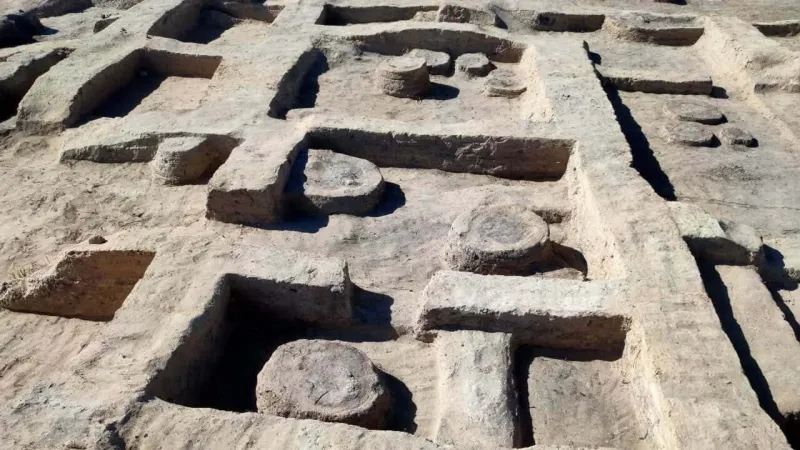
The typical layout of such a Roman bath complex included a changing room (apodyterium), a cold room with a plunge pool (frigidarium), a warm room (tepidarium), and a hot room (caldarium), often featuring hot plunge pools. These were ingeniously heated by a hypocaust system, circulating hot air beneath raised floors and through wall cavities.
The sophistication of the engineering required to construct and maintain these Roman baths underscores the advanced capabilities of Roman architects and engineers, even in distant provinces. It speaks to a robust supply chain for materials and skilled labor that could replicate imperial amenities far from Rome itself.
The ongoing archaeological work at the Waal riverbank site provides a unique opportunity to meticulously document and understand these ancient structures before modern development proceeds. Researchers are employing advanced techniques, including geo-radar and 3D modeling, to create a comprehensive picture of the complex.
The development plan for the new residential quarter is designed to integrate and preserve the Roman bath remains. This approach ensures that a tangible link to Nijmegens deep historical roots remains visible and accessible, allowing future residents and visitors to connect with the citys Roman past.
Experts believe the scale of the baths signifies the presence of a substantial elite class and a large enough population to warrant such a grand investment in public leisure and health. It challenges previous assumptions about the extent of Roman luxury in the northern provinces.
This discovery adds a crucial chapter to the understanding of Romanization processes in northwestern Europe. It highlights how Roman cultural practices and architectural grandeur extended far beyond the Italian peninsula, deeply influencing the lives and landscapes of its conquered territories.
The preservation efforts at the Nijmegen site serve as a testament to the enduring value placed on historical heritage. By carefully integrating the ancient structures into the contemporary urban fabric, the city embraces its layered history while planning for its future.
Further analysis of artifacts unearthed alongside the bath complex, such as pottery fragments, coins, and personal effects, will undoubtedly provide even richer details about the daily lives of those who frequented these lavish Roman baths centuries ago.
The continuity of public life, from ancient Roman communal bathing to modern urban living, creates a compelling narrative for Nijmegen. The city continues to evolve, yet its foundations remain firmly rooted in its rich imperial past.
The discovery reinforces the importance of archaeological oversight in urban development projects. It demonstrates how routine construction can unexpectedly unveil historical treasures, transforming our understanding of the past.