 Debby Wijaya
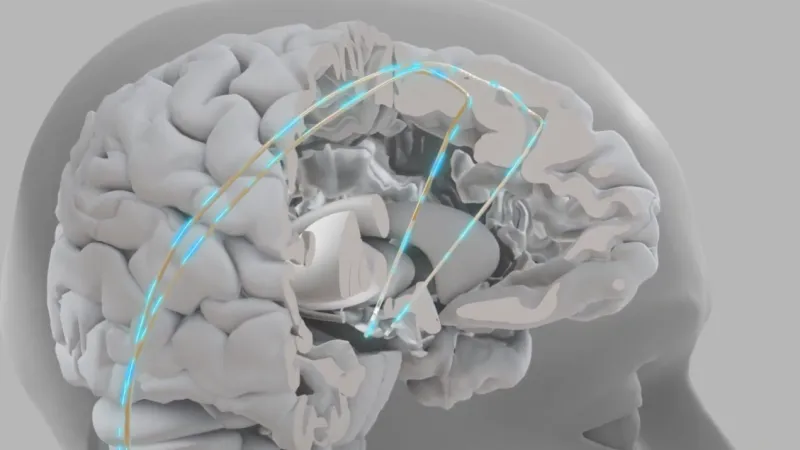
GENOA – Groundbreaking implantable chip technology, poised to restore speech and mobility, is nearing human application, according to experts at the Italian Institute of Technology (IIT). A leading IIT specialist emphasized the critical need to transition these laboratory achievements to clinical use, calling upon European bodies to expedite the approval pathways for such transformative neurological interventions.
“The profound challenge now lies in translating these promising results to human beings,” stated the IIT expert, whose research focuses on advanced neural interfaces. “It is imperative that Europe acts decisively to facilitate the swift and safe application of these innovations.” This statement underscores a growing sentiment within the scientific community for quicker pathways from bench to bedside for life-changing medical technologies.
The Italian Institute of Technology, headquartered in Genoa, has emerged as a significant hub for interdisciplinary research, particularly in robotics, artificial intelligence, and neuro-engineering. Their work on implantable chips represents a cutting-edge effort to bridge the gap between biological systems and electronic devices, offering unprecedented therapeutic possibilities.
The core promise of these implantable chips lies in their ability to bypass damaged neural pathways or augment impaired brain functions. For individuals who have lost the ability to speak due due to stroke, neurodegenerative diseases, or injury, these devices could decode brain signals to synthesize speech. Similarly, those with severe mobility impairments, such as paralysis, might regain control over prosthetic limbs or even their own muscles through direct neural commands.
While the concept of brain implants has been explored for decades, recent advancements in material science, miniaturization, and computational power have brought these sophisticated devices closer to practical clinical reality. Researchers are now able to create implantable chips that are biocompatible, highly efficient, and capable of processing complex neural data with remarkable precision.
The transition from controlled laboratory environments to human clinical trials presents formidable regulatory and ethical hurdles. Ensuring the long-term safety, reliability, and efficacy of implantable chips requires rigorous testing, extensive preclinical validation, and a carefully structured approach to human subject research. These stringent requirements, while necessary, can often prolong the development timeline.
The expert's appeal to European authorities highlights a desire for a more streamlined regulatory framework specifically tailored for advanced neurotechnology. Proponents argue that existing pathways, often designed for pharmaceuticals or more traditional medical devices, may not adequately accommodate the unique characteristics and rapid evolution of brain-computer interfaces. A harmonized, expedited European approach could accelerate access for patients in dire need.
Currently, several global initiatives are pushing the boundaries of neurotechnology, including those in the United States and Asia. The Italian Institute of Technology's contributions position Europe as a key player in this competitive and rapidly evolving field, emphasizing the continent's potential to lead in ethical and technological innovation.
Developing these implantable chips is a multidisciplinary endeavor, integrating expertise from neuroscience, electrical engineering, materials science, computer science, and medical ethics. This collaborative approach is essential for addressing the intricate challenges of interacting with the human brain at a micro-level, ensuring both functionality and patient well-being.
The ultimate vision behind these implantable chips extends beyond restoring basic functions. Researchers foresee a future where these devices could enhance sensory perception, improve cognitive abilities, and provide entirely new forms of human-computer interaction, fundamentally altering the landscape of medical care and human capability. The current focus, however, remains squarely on therapeutic applications for severe disabilities.
The path forward involves not only technological refinement but also robust public discourse on the societal implications of such powerful technologies. Ethical considerations surrounding privacy, autonomy, and access will play a crucial role in shaping the responsible development and deployment of implantable chips.
The IIT expert's optimistic yet pragmatic outlook underscores the dual nature of scientific progress: immense potential paired with significant logistical and regulatory challenges. As research continues to advance, the call for European facilitation may prove instrumental in determining how quickly these groundbreaking implantable chips can begin transforming lives.