 Edward DP Situmorang
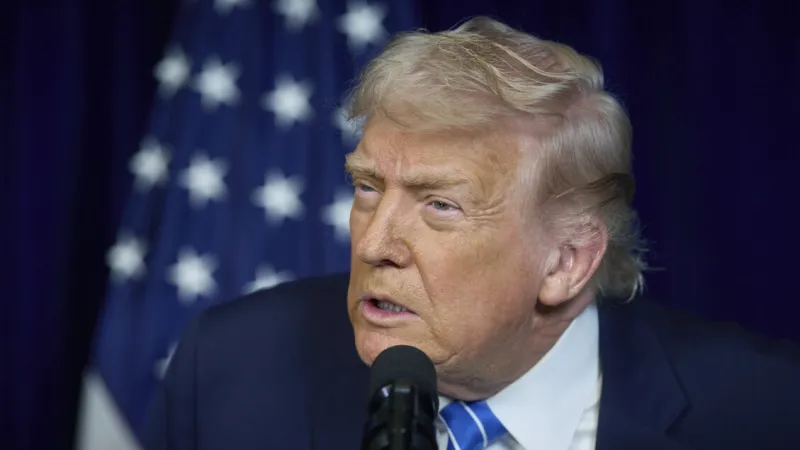
WASHINGTON — President Donald Trump today ordered a temporary halt to US military operations in the strategically vital Strait of Hormuz, announcing the decision was made to create an immediate window for emergent peace negotiations aimed at de-escalating regional tensions. The directive, issued from the Oval Office, signals a significant pivot in Washingtons approach to the volatile Persian Gulf.
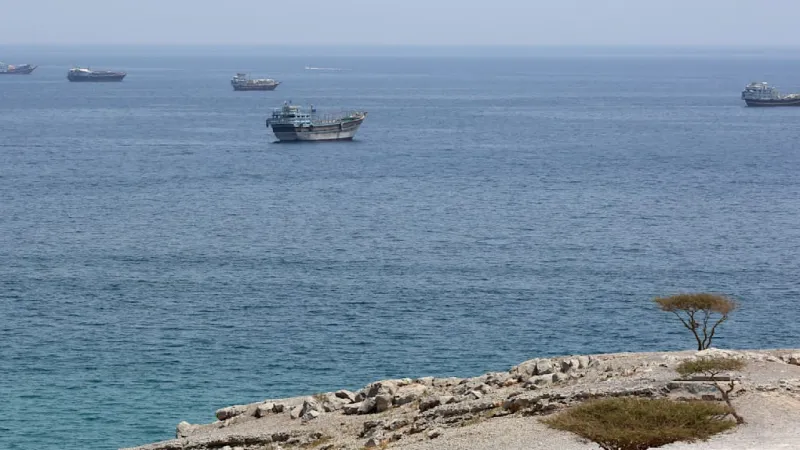
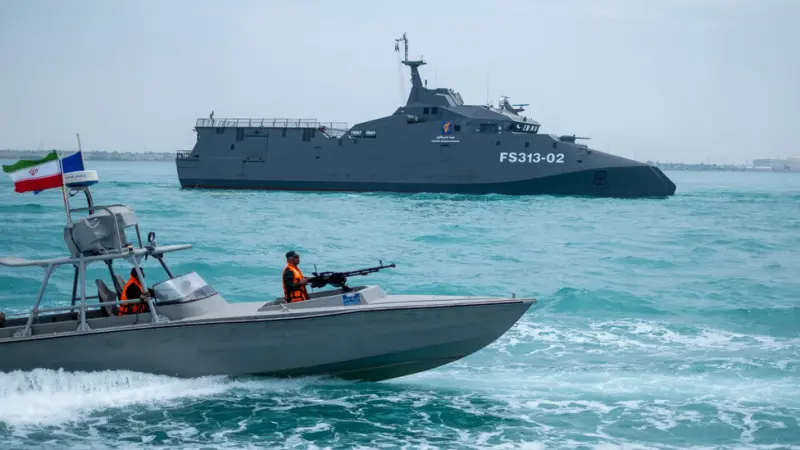
The Strait of Hormuz, a narrow waterway connecting the Persian Gulf with the Arabian Sea, is a critical maritime choke point through which approximately one-fifth of the worlds oil supply passes daily. Recent months have seen heightened friction in the region, with various incidents raising global concerns about shipping safety and potential for broader conflict.
Administration officials stated that President Trumps decision underscores his commitment to seeking diplomatic solutions, even in the face of persistent geopolitical challenges. A senior White House aide, speaking on background, emphasized the presidents belief that direct talks offer the most viable path to securing stability in the region.
The temporary pause affects specific surveillance, patrol, and readiness exercises previously scheduled for US Naval assets within the strait. This strategic withdrawal is designed to reduce any perceived provocations and foster an environment conducive to sensitive negotiations, according to Pentagon sources. Operational commanders were reportedly briefed on the change in posture early this morning.
Initial international reactions have been mixed, ranging from cautious optimism among European allies who have long advocated for de-escalation, to skepticism from some regional partners apprehensive about any perceived reduction in deterrence. United Nations Secretary-General Antonio Guterres released a statement commending efforts towards peaceful dialogue.
While details of the prospective peace talks remain largely undisclosed, sources familiar with the initiative suggest they would involve key regional players and potentially international mediators. The agenda is expected to focus on maritime security protocols, freedom of navigation, and broader confidence-building measures to prevent future flashpoints.
President Trumps foreign policy has often prioritized direct engagement and a willingness to challenge conventional diplomatic wisdom. This latest move aligns with a pattern of seeking unconventional pathways to resolve complex international impasses, aiming for breakthroughs where traditional strategies have faltered.
However, the decision has drawn criticism from some defense analysts and political opponents in Congress, who express concern that a pause in military presence could be misinterpreted as weakness or create a power vacuum. Senator Elaine Roberts (R-Texas), a member of the Armed Services Committee, urged extreme caution, stating, "While peace is always the goal, we must not compromise American security interests."
Economically, global oil markets reacted with an initial dip in prices, reflecting reduced immediate risk premiums, though analysts cautioned that any prolonged instability or failure of talks could swiftly reverse the trend. Shipping companies expressed hope for a more predictable and secure transit environment.
The United States has maintained a significant military presence in the Persian Gulf for decades, ensuring safe passage through the Strait of Hormuz. Previous administrations have consistently emphasized the importance of safeguarding this vital global trade artery, often through robust naval deployments and international partnerships.
Regional actors such as Iran, Saudi Arabia, and the United Arab Emirates are closely monitoring the developments. While no official statements from these nations have been released as of reporting, diplomatic channels are understood to be highly active, assessing the implications of the American initiative.
This bold diplomatic maneuver by President Trump presents both opportunities and risks. Should the peace talks materialize and yield positive outcomes, it could redefine regional security paradigms. Conversely, a failure to advance meaningful dialogue could exacerbate existing tensions, potentially leading to renewed and intensified confrontations in a region already fraught with complexities. The world now watches as Washington extends an olive branch in one of the globes most volatile waterways.