 Edward DP Situmorang
WASHINGTON – President Donald Trump has reportedly dispatched a significantly tougher agreement proposal to Iran, aiming to exert greater pressure amid frustrations over Supreme Leader Ayatollah Ali Khamenei’s slow response, a move immediately met with staunch distrust from Tehran, according to an exclusive report by The New York Times.
The newspaper detailed that President Trump, exasperated by what he perceives as deliberate delays in Iran’s engagement, has opted for a more aggressive diplomatic posture. This renewed effort seeks to compel Tehran into concessions on its nuclear program, regional influence, and ballistic missile development, central tenets of US foreign policy in the Middle East.
Iranian officials, however, swiftly dismissed the overture, reiterating their long-held stance that they cannot place faith in what they term the promises of an adversary. This sentiment underscores the deep-seated mistrust that has characterized US-Iran relations for decades, particularly since the 2018 withdrawal from the Joint Comprehensive Plan of Action.
Sources familiar with the administration’s strategy suggest the new proposal substantially tightens the framework of any potential Iran deal. While specific details remain undisclosed, observers believe it likely includes more stringent verification measures, longer sunset clauses for nuclear restrictions, and broader limitations on Iran’s non-nuclear military capabilities.
The White House’s impatience stems from a perceived lack of urgency on the part of Iranian leadership. President Trump has consistently advocated for a deal that he deems more beneficial to American interests and regional stability, asserting that previous agreements were too lenient and failed to curb Iran’s destabilizing activities, as alluded to in previous reports like Trump Demands Harsher Iran Deal Amid Khamenei Delays.
Tehran’s rejection is not unexpected, aligning with its unwavering position that any negotiation must respect its sovereignty and right to peaceful nuclear technology. The Iranian government has frequently called for the lifting of all US sanctions as a prerequisite for meaningful dialogue, an issue previously highlighted in reports like Iran Demands Frozen Assets Unlocked Before Any New US Agreement.
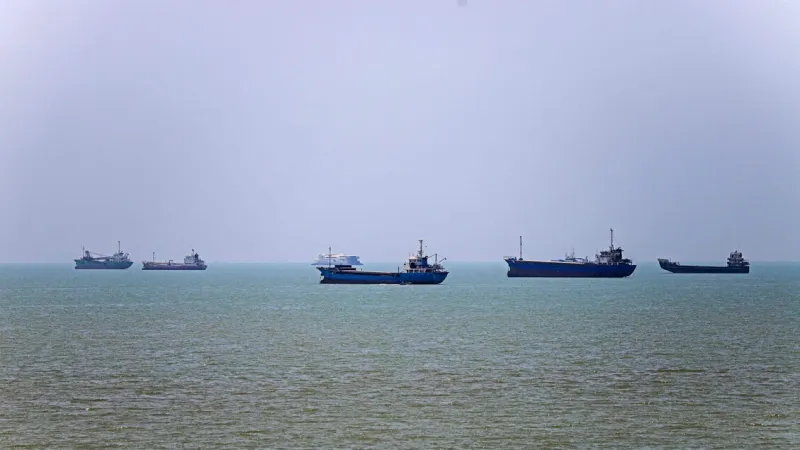
This diplomatic standoff occurs against a backdrop of persistent tensions in the Persian Gulf, a critical chokepoint for global oil supplies. The threat of a Hormuz Blockade has remained a concern for international shipping and energy markets, exacerbating the complexity of US-Iran relations.
Analysts suggest that President Trump’s intensified approach, as documented by The New York Times, reflects a calculated move to pressure Tehran through economic sanctions and diplomatic isolation, rather than direct military confrontation. The administration appears to believe that tightening the screws will ultimately force Khamenei’s hand.
Yet, the strategy carries inherent risks. A more confrontational stance could harden Iran’s resolve, potentially pushing the Islamic Republic further away from the negotiating table and accelerating its nuclear advancements outside international oversight. Many international bodies continue to urge de-escalation and a return to diplomacy to avert a full-blown crisis over the Iran deal.
The current impasse resonates with past instances of high-stakes diplomacy between Washington and Tehran. The intricate dance of proposals and rejections has often defined their interactions, with each side seeking to gain leverage without ceding too much ground. This latest development signals a significant shift in the US administration’s tactic, away from protracted, incremental negotiations.
The ultimate efficacy of President Trump’s escalated pressure campaign remains to be seen. While designed to force a quicker resolution, Iran’s historical resilience to external pressure and its strong nationalistic sentiments suggest a protracted struggle may ensue. The global community watches closely for any signs of de-escalation or, conversely, a deepening of the diplomatic chasm.