 Stefani Rindus
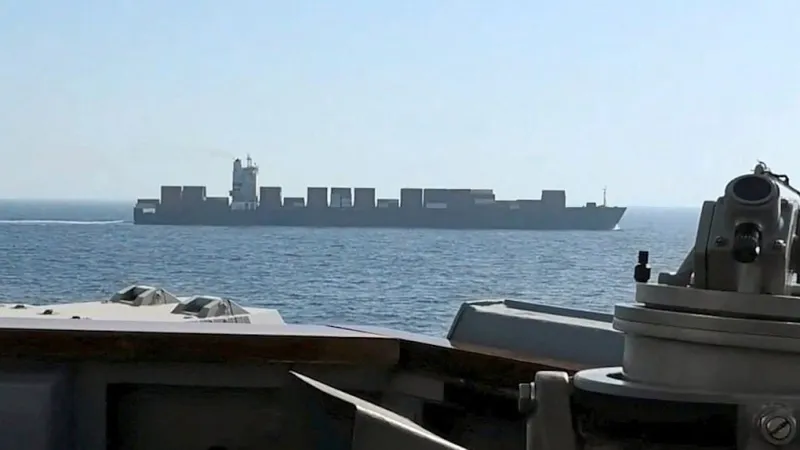
The United States military reportedly engaged a commercial vessel in the Gulf of Oman after the ship allegedly disregarded two dozen warnings and attempted to breach a blockade en route to an Iranian port, escalating already palpable tensions in the Middle East. This incident marks the first confirmed US military assault on a commercial ship operating under such circumstances.
Officials with US Central Command, or CENTCOM, confirmed the engagement, stating the vessel received 20 distinct warnings over several hours to alter its course. These warnings, delivered through established maritime communication channels, went unheeded, prompting the military response.
The blockade, a measure enforced in the strategic waterways of the Gulf, aims to restrict maritime traffic to specific Iranian ports. It is implemented to uphold international sanctions and deter activities deemed illicit by the international community.
This latest confrontation unfolds against a volatile geopolitical backdrop. The Strait of Hormuz, a critical choke point for global oil supplies, and the wider Gulf of Oman have frequently served as flashpoints for naval confrontations and commercial shipping disruptions.
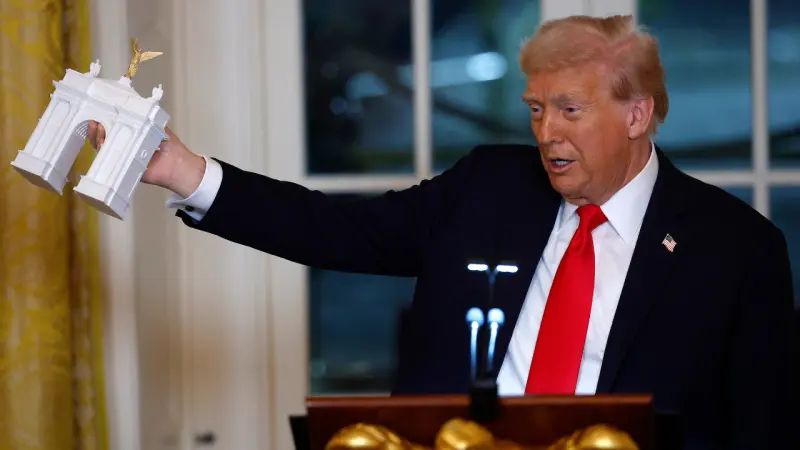
President Donald Trump administration has consistently reaffirmed its commitment to safeguarding international shipping lanes and deterring actions that threaten regional stability. The White House maintains a strong stance on maintaining freedom of navigation in these vital waters.
Previous skirmishes and Iranian attempts to harass or seize commercial vessels have necessitated an increased US military presence in the area. Such incidents highlight the precarious security situation and the constant vigilance required from naval forces.
The region has witnessed other serious provocations, including an incident where Iranian missile strikes wounded five Americans at a Kuwait base, further underscoring the delicate balance of power and the ever-present threat of escalation.
While an official Iranian response to this specific engagement remains forthcoming, Tehran has historically condemned any foreign military presence in the Gulf region. Iranian authorities routinely characterize such deployments as provocative and a violation of its national sovereignty.
This engagement carries significant international implications, potentially drawing varied reactions from global powers. Shipping industry experts will closely monitor the fallout for its potential impact on insurance premiums, shipping routes, and global trade, especially regarding energy transit.
Regional allies and international organizations have repeatedly urged de-escalation in the Middle East, emphasizing the imperative of diplomatic solutions. Incidents of this nature, however, risk hardening existing positions and complicating diplomatic efforts to foster peace.
The US military operates under stringent rules of engagement, meticulously designed to protect its personnel while upholding international law. The decision to engage a commercial vessel, particularly after numerous warnings, suggests the US perceived a direct challenge to these established protocols.
Analysts predict this event will likely intensify the strategic competition in the Gulf. This could lead to an increase in naval patrols, enhanced surveillance operations, and a more robust enforcement of existing maritime blockades.
The persistent tensions in the Gulf of Oman and surrounding waters significantly influence global energy markets. Any disruption to established shipping routes or direct military confrontations can cause spikes in oil prices and contribute to worldwide economic uncertainty.
While initial reports do not detail casualties on the commercial vessel, any military engagement inherently carries the risk of human life. International maritime law emphasizes the safety of all seafarers, a principle frequently tested in volatile zones.
The Gulf of Oman remains a critical crucible of geopolitical tension, and this latest military intervention by the United States underscores the inherent volatility of the region. The international community now anticipates the diplomatic and economic ramifications from an incident that once again brings the specter of conflict into sharp focus.