 Chris Robert
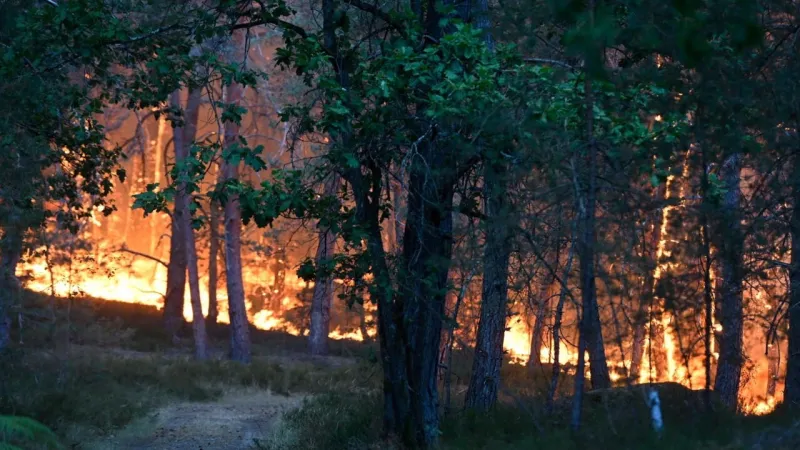
Europe confronts a sprawling and deadly heatwave, igniting widespread wildfires, escalating fatalities in several nations, and prompting critical public health warnings. On Wednesday, Italy declared seven cities under red alert as temperatures soared, extending a brutal weather pattern that has already claimed lives in Germany and the United Kingdom and fueled destructive blazes in France. This intensifying meteorological event raises urgent concerns about public safety and climate resilience across the continent.
Italian health authorities issued maximum alert levels, known as red bulletins, for major urban centers including Rome, Bologna, and Florence. These advisories warn the entire population, not just the elderly or infirm, of significant health risks from the extreme temperatures. Citizens receive urgent recommendations to remain indoors during peak heat hours, hydrate frequently, and avoid strenuous activity.
Across the border in France, firefighters battled fierce blazes tearing through the historic Fontainebleau forest, a popular tourist destination south of Paris. The inferno, fueled by dry conditions and high winds, necessitated the evacuation of local residents and posed a substantial threat to biodiversity. Emergency services reported immense challenges in containing the rapidly spreading flames.
The death toll continues to climb in Germany and the United Kingdom, where health officials attribute a growing number of fatalities to heat-related causes. Vulnerable populations, particularly the elderly and those with pre-existing medical conditions, face heightened risks. Hospitals across both nations report a surge in admissions for heatstroke and respiratory issues, straining healthcare systems already under pressure.
Meteorologists indicate that a persistent anticyclone, a high-pressure system, is largely responsible for the prolonged period of extreme heat. This weather phenomenon traps hot air, preventing cooler air masses from moving in and dissipating the warmth. Observers note that Italy Braces for Scorching Heatwave As Anticyclone Engulfs Nation has been a recurring theme in recent summers, pointing to a potential new normal.
Public health experts underscore the dangers of this sustained heat. Dr. Eleanor Vance, a climatologist based in Berlin, remarked, "These conditions are not merely uncomfortable; they are life-threatening. The cumulative effect of high temperatures over several days profoundly impacts human physiology, especially in urban environments where heat island effects exacerbate the situation."
Governments across Europe have initiated emergency protocols. Public cooling centers have opened in many cities, offering refuge from the blistering sun. Authorities also launched public awareness campaigns, advising citizens on recognizing symptoms of heat-related illness and the importance of checking on neighbors, particularly those living alone.
Beyond immediate health concerns, the heatwave intensifies drought conditions, raising fears for agricultural output and water security. Reservoirs and rivers show significantly reduced levels, prompting water restrictions in several regions. This scarcity affects everything from crop irrigation to hydroelectric power generation.
Environmental agencies warn that such extreme weather events are becoming more frequent and intense, aligning with broader climate change projections. The current heatwave serves as a stark reminder of the urgent need for robust climate adaptation strategies and mitigation efforts across the globe.
The impact extends to infrastructure, with reports of railway lines buckling under the heat in some areas and concerns about the stability of power grids. Energy demand surges as air conditioning units work overtime, placing immense strain on national electricity supplies and increasing the risk of blackouts.
While European nations are no strangers to summer warmth, the severity and widespread nature of this particular heatwave distinguish it. Comparing current conditions to historical data reveals a disturbing trend of rising average temperatures and more frequent extreme weather patterns.
International cooperation on climate action and disaster preparedness has become a critical topic in light of these unfolding events. European Union officials are reportedly coordinating efforts to share resources and best practices for managing such widespread crises.
The economic toll also mounts, as reduced productivity, agricultural losses, and the costs associated with emergency response efforts weigh heavily on national budgets. Businesses, particularly those reliant on outdoor work or sensitive supply chains, face significant disruptions.
As the continent grapples with the immediate dangers, the longer-term implications for urban planning, public health infrastructure, and environmental policy come sharply into focus. Cities are beginning to invest in green spaces and reflective surfaces to combat urban heat island effects, but progress remains slow.
The tragic loss of life and widespread disruption underscore the profound challenges posed by a warming planet. This prolonged heatwave compels European leaders to accelerate commitments to climate resilience and prioritize the protection of their most vulnerable citizens.