 Dodi Irawan
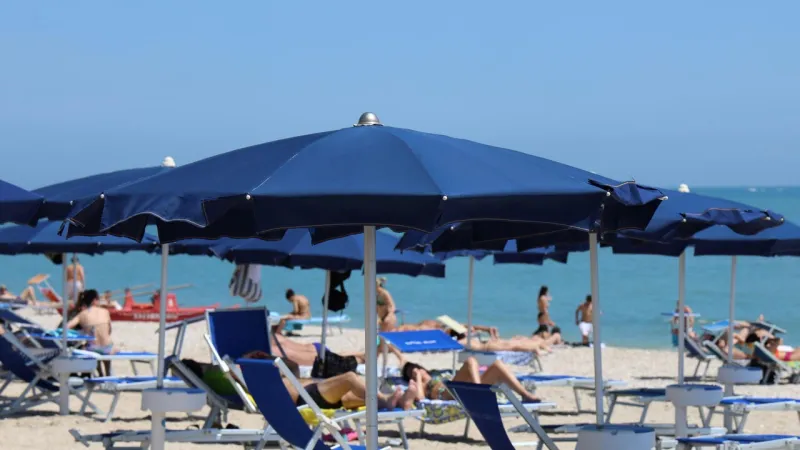
ROME -- Italian holidaymakers collectively spent an estimated 20 billion euros during the peak months of July and August, a significant portion of which, 541 million euros, directly resulted from surging inflationary pressures, according to a recent analysis by Demoskopika.
The research firm detailed how the relentless rise in prices manifested in tangible ways for individual travelers. For every overnight stay, consumers encountered an additional cost of 2.86 euros. Similarly, the average tourist found their overall expenditure increased by 12.50 euros during their vacation.
This aggregate impact of 541 million euros underscores the pervasive effect of inflation on household budgets and the broader Italian holiday spending landscape. While the desire for summer getaways remained robust, the economic reality of elevated costs presented a notable challenge for many.
The Demoskopika study, which monitors economic trends in tourism, provides a granular look at the financial dynamics shaping the countrys vacation season. It highlights a critical intersection between consumer demand and the macroeconomic forces at play.
The tourism sector, a cornerstone of the Italian economy, demonstrated resilience in attracting substantial spending despite these headwinds. However, the data confirms that a considerable share of this spending was absorbed by cost increases rather than representing expanded consumption or greater service uptake.
Analysts suggest that while demand for Italian holidays remains high, the added financial burden could influence future travel patterns or destination choices. Families and budget-conscious travelers may seek shorter trips, more affordable accommodations, or opt for domestic locations to mitigate expenses.
Inflation, a persistent concern across the Eurozone, continues to exert pressure on various consumer goods and services, and the tourism industry is not immune. The figures from Demoskopika serve as a stark reminder of how broader economic conditions trickle down to affect individual spending habits and the profitability of businesses.
The report did not offer a breakdown of which specific categories within tourism saw the highest increases, but historical trends often point to accommodation, transport, and dining as primary drivers of heightened costs.
Government economic policymakers frequently monitor such data to assess the real purchasing power of citizens and to gauge the effectiveness of anti-inflationary measures. The impact on Italian holiday spending specifically offers a valuable barometer for consumer confidence and economic stability.
As the 2026 economic outlook continues to evolve, understanding the nuances of consumer spending in sectors like tourism becomes paramount. The 541 million euro premium paid due to inflation illustrates a significant economic drag on disposable income, even for leisure activities.
Stakeholders within the Italian tourism industry will undoubtedly analyze these findings to adapt their pricing strategies and service offerings. Balancing attractive propositions with the necessity to cover rising operational costs becomes a delicate act in an inflationary environment.
Ultimately, while the overall 20 billion euro expenditure reflects a buoyant tourism market, the underlying inflationary component signifies a hidden tax on the nations holidaymakers, altering the true value derived from their hard-earned leisure time. This trend warrants careful observation as the economic year progresses.