 Demian Sahputra
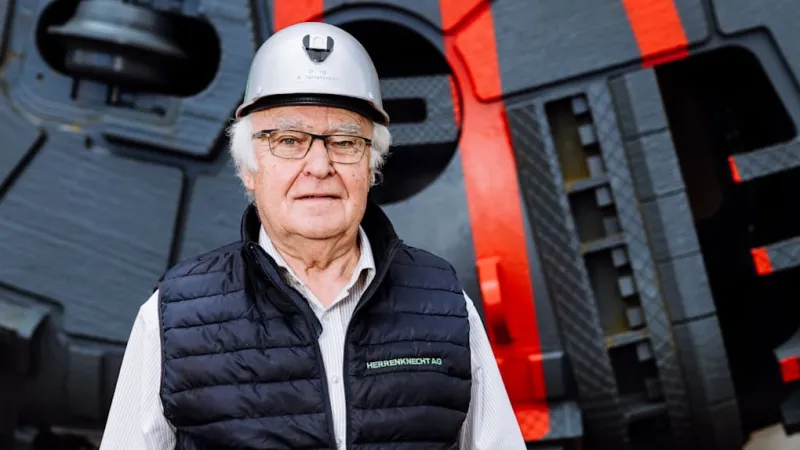
BERLIN – Prominent German entrepreneur Martin Herrenknecht recently delivered a stark warning, asserting that pervasive European Union bureaucracy is actively suffocating German industry and hindering its global competitiveness. Herrenknecht conveyed profound dismay over what he described as the European Commission's "regulatory frenzy" and its detrimental impact on the nation's industrial landscape.
Herrenknecht, founder and chairman of Herrenknecht AG, a leading global manufacturer of tunnel boring machines, articulated his concerns in a powerful statement, emphasizing the growing burden of regulations emanating from Brussels. He argued these mandates, often perceived as excessive and intricate, divert critical resources and managerial focus away from innovation and market expansion.
The industrialist did not mince words, expressing his astonishment at the continuous stream of new requirements from the Commission. He suggested that instead of fostering an environment conducive to economic growth, the current regulatory climate acts as a significant impediment, placing German businesses at a distinct disadvantage against international competitors.
This sentiment resonates with a broader chorus of concern within German industrial circles, where the cumulative effect of EU directives on energy, environment, labor, and product standards is increasingly cited as a drag on productivity and investment. Businesses report struggling to navigate the labyrinthine rules, often requiring substantial legal and administrative overhead.
Herrenknecht explicitly called for the EU to return to what he termed its "core mission" – facilitating trade, ensuring a level playing field, and supporting economic stability – rather than expanding its regulatory reach into minute aspects of industrial operation. He believes this refocusing is essential for the long-term health of German and, by extension, European industry.
The entrepreneur's critique underscores a recurring debate within the bloc concerning the balance between necessary regulation for societal goals and the potential for overreach that stifles innovation and competitiveness. Critics frequently argue that while some regulations serve vital public interests, many prove redundant or disproportionately burdensome.
One example cited by industry observers involves the intricate reporting requirements for environmental compliance, which, while well-intentioned, can overwhelm small and medium-sized enterprises (SMEs) lacking dedicated compliance departments. Such requirements often necessitate significant investments in new processes and technologies that do not directly contribute to output.
Moreover, Herrenknecht questioned the practical implications of some of the Commission's more ambitious proposals, suggesting they are devised without a full appreciation of industrial realities. He warned that this disconnect could lead to unintended consequences, including capital flight or a decline in investment within the EU.
This current outcry from a significant industrial leader echoes previous warnings about the bureaucratic pressures on the German economy. As previously reported, EU Bureaucracy Choking German Industry, Entrepreneur Decries Demands, highlighting that the issue is not isolated but part of a wider, ongoing concern among the German business community.
The economic powerhouse of Germany, traditionally a beacon of industrial strength within the EU, finds its businesses increasingly vocal about the perceived shackles of Brussels-imposed regulations. Maintaining global leadership in key sectors, such as advanced manufacturing and engineering, becomes more challenging under these circumstances.
Analysts suggest that if the concerns raised by figures like Herrenknecht are not addressed, the long-term impact could be a gradual erosion of Europe's industrial base, leading to job losses and a diminished capacity for innovation. The competitive edge, already challenged by global players, faces further strain.
The European Commission, under fire from various quarters for its regulatory agenda, typically defends its policies by emphasizing consumer protection, environmental sustainability, and fair competition. However, balancing these objectives with industrial growth remains a delicate and politically charged act.
Responding to such criticisms, EU officials often point to the democratic process through which regulations are enacted, involving member states and the European Parliament. Yet, the perception among some industrialists is that the voice of practical business experience sometimes gets lost in the legislative process.
The debate also carries significant political weight, particularly as the EU approaches critical periods for economic recovery and strategic autonomy. The effectiveness of the bloc's industrial policy will be scrutinized closely by its member states and international partners.
For German industry, the stakes are exceptionally high. Its export-oriented economy relies heavily on unencumbered trade and efficient production, making any perceived bureaucratic friction a direct threat to its prosperity. The call for the EU to revert to its foundational economic role is a plea for policy recalibration.
Herrenknecht's strong words serve as a potent reminder that while integration has brought immense benefits, unchecked regulatory expansion risks alienating key economic actors. The conversation surrounding EU bureaucracy and its impact on national industries will undoubtedly intensify in the coming months.