 Dorry Archiles
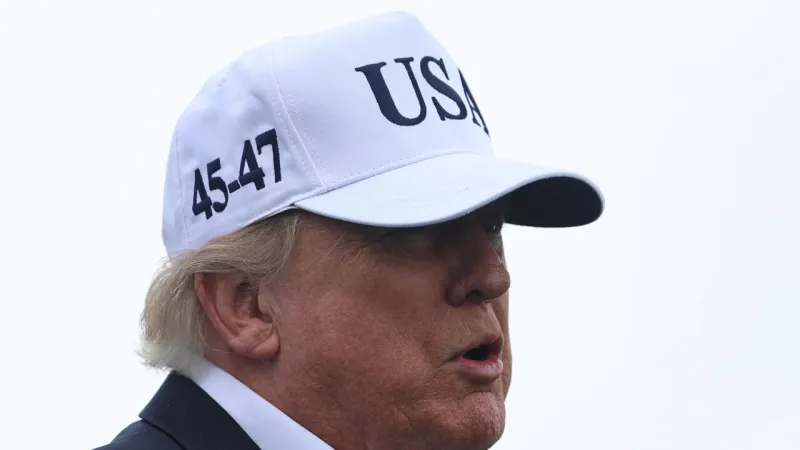
WASHINGTON – President Donald Trump has issued a stark warning, threatening to levy significant tariffs against the European Union and potentially sever commercial relations should Canada pursue associate membership with the European bloc. The President labeled any such move a "ridiculous operation," signaling a major escalation in transatlantic trade tensions.
His declaration came amidst reports suggesting Canada may be exploring closer formal ties with the EU, a development that has clearly agitated the Trump administration. The President conveyed his readiness to "interrupt commercial relations" if this alliance progresses.
In immediate response, officials in Brussels were quick to address the President's statements. A source within the European Commission asserted that the EU's strategic alliances are formed "for our strength" and that "the alliance is not against anyone," underscoring the defensive nature of their partnerships.
This potential associate membership for Canada represents a significant geopolitical shift, offering non-EU countries a framework for deeper economic and political integration without full accession. For Canada, it could mean enhanced access to the EU's vast single market and strengthened diplomatic alignment.
President Trump's stance echoes a pattern of assertive trade policies observed throughout his administration. His previous uses of tariffs, particularly against China and on steel and aluminum imports from various allies, have consistently aimed to rebalance global trade dynamics in favor of American interests.
Economists and trade analysts are closely monitoring the situation, warning that new EU tariffs could trigger a fresh wave of retaliatory measures, potentially disrupting global supply chains and impacting consumers on both sides of the Atlantic. Such actions risk a broader trade conflict with far-reaching economic consequences.
Key sectors such as automotive manufacturing, agriculture, and technology could face significant headwinds. European goods entering the US would become more expensive, potentially decreasing demand, while American exporters might encounter increased barriers to European markets.
The European Union, which recently saw its Chief Ursula von der Leyen warn against forces seeking to fracture the union, views this potential Canadian partnership as a bolstering of its global standing and influence. This makes President Trump's strong opposition a direct challenge to the EU's sovereign strategic choices.
Canada has not officially confirmed plans for associate membership, but discussions around strengthening ties with the EU have been ongoing. For Ottawa, closer EU integration could serve as a hedge against volatility in its relationship with its largest trading partner, the United States.
Associate membership typically involves a comprehensive agreement covering various policy areas, including trade, regulatory cooperation, and foreign policy coordination, without requiring full adherence to all EU laws or participation in its institutions.
The geopolitical implications extend beyond immediate trade concerns, potentially straining the broader Western alliance at a time of complex global challenges. The cohesion between the US, Canada, and the EU is crucial for collective security and economic stability.
Experts note that President Trump has a track record of following through on trade threats, making this declaration a serious concern for European leaders. The intricate dance of diplomacy and economic leverage will determine whether this escalates into a full-blown trade war or finds a mediated resolution.
The current transatlantic trade relationship, while robust, has experienced periodic friction over various issues, including subsidies, digital taxes, and regulatory standards. This latest contention adds another layer of complexity to an already intricate partnership.
Further discussions are anticipated between US, EU, and Canadian officials to navigate this complex diplomatic and economic challenge. The outcome will shape future global trade policies and alliances.