 Angel Doris

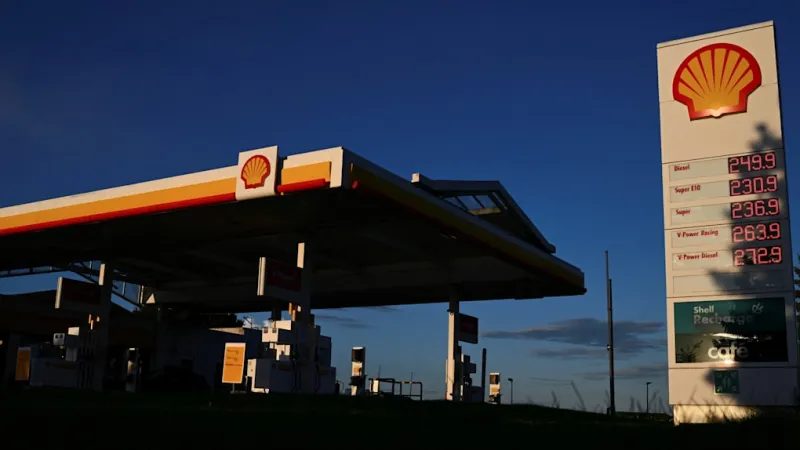
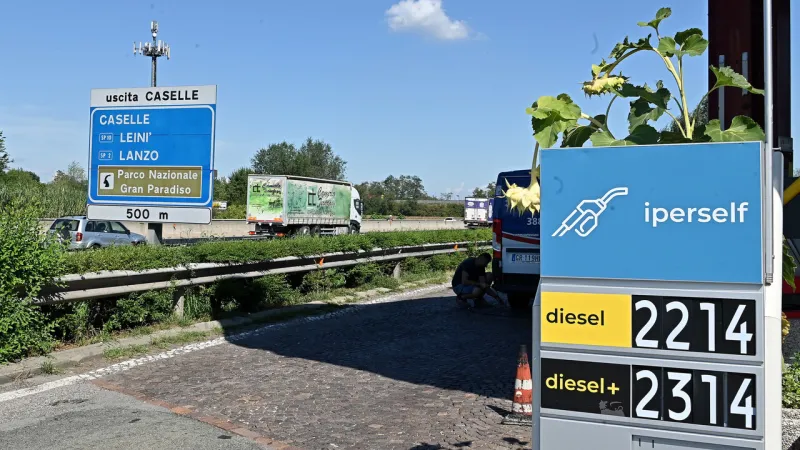
GLOBAL ECONOMY – Consumers and political factions across various nations are renewing urgent calls for government intervention in fuel markets, specifically advocating for a price cap, as gasoline and diesel costs remain stubbornly high. The ongoing surge, which many hoped would abate, continues to exert significant pressure on household budgets and business operations.
The persistent elevation of fuel prices is largely attributed to a complex interplay of factors, including volatile global oil markets, geopolitical instability impacting supply chains, and robust demand in key economies. This confluence has kept pump prices at levels that many consider unsustainable for the average citizen and small businesses.
Advocates for a fuel price cap contend that such a measure is essential to shield vulnerable populations from inflationary pressures and to ensure economic stability. They argue that high transportation costs permeate all sectors, driving up prices for goods and services, and eroding purchasing power.
Political parties, particularly those in opposition, have seized upon the issue, positioning themselves as champions of consumer relief. They frequently highlight the disproportionate impact of high fuel costs on low-income families and rural communities, where public transport alternatives may be limited.
However, the concept of a government-mandated fuel price cap faces staunch opposition from economists and market liberalization proponents. Critics argue that interfering with market mechanisms can lead to unintended consequences, such as supply shortages, reduced investment in the energy sector, and the potential for a black market.
Furthermore, implementing a price cap would likely entail substantial fiscal costs for governments, either through direct subsidies to fuel companies or through tax revenue shortfalls. This burden would ultimately fall on taxpayers, raising questions about financial sustainability and alternative uses for public funds.
Many governments, including major European economies, have expressed caution regarding direct price controls. Their reluctance stems from historical precedents where such interventions have disrupted supply chains and failed to provide long-term solutions. Instead, some administrations have favored targeted relief measures, such as temporary tax reductions or energy assistance programs.
Industry experts also voice concerns that a price cap could disincentivize energy efficiency and the transition to alternative fuels. If gasoline becomes artificially cheap, the impetus for consumers and businesses to invest in electric vehicles or more fuel-efficient transport options might diminish.
The broader economic landscape of 2026 continues to grapple with inflationary pressures, prompting central banks worldwide to maintain a vigilant stance on monetary policy. High energy costs complicate these efforts, creating a challenging environment for policymakers attempting to balance economic growth with price stability.
As part of wider efforts to mitigate energy expenses, some nations explore different avenues. For example, Italy proposes a 65% Ecobonus for home energy upgrades, demonstrating varied approaches to alleviating the burden of energy costs on citizens.
The debate over a fuel price cap underscores a fundamental tension between market principles and social welfare. While the immediate relief offered by lower pump prices is appealing to many, the long-term economic repercussions remain a significant concern for policymakers and financial institutions. The trajectory of global energy prices and political will to intervene will ultimately determine the outcome of this pressing economic discussion.