 Robert Andrison
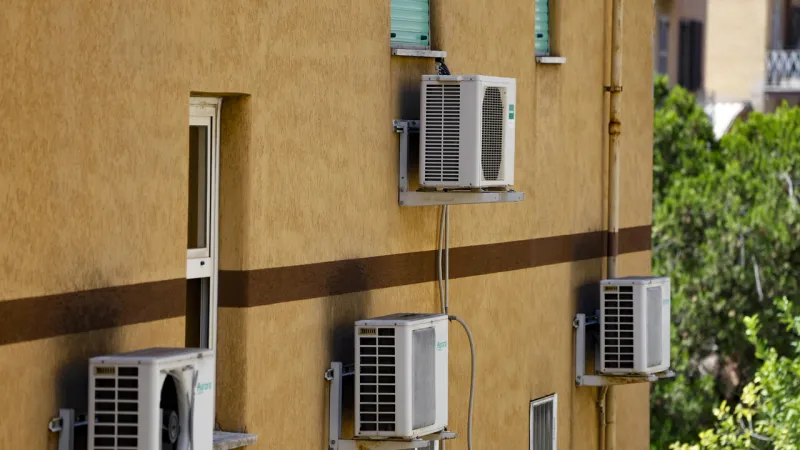
Rome – The Italian government is actively exploring a new 65% ecobonus program designed to incentivize homeowners across the nation to upgrade their properties with more energy-efficient fixtures and air conditioning systems. This initiative, initially reported by Il Sole24 Ore, is being developed within the parameters of the nation's existing budgetary flexibility, aiming to stimulate the economy while advancing environmental goals.
The proposed measure specifically targets improvements such as the installation of new windows and high-efficiency air conditioning units. Homeowners who undertake these upgrades would be eligible for a substantial tax deduction, covering nearly two-thirds of the total expense, making energy efficiency more financially accessible.
This move by the government aligns with broader European Union directives emphasizing energy conservation and emission reduction. By offering a robust incentive, Italy seeks to accelerate the modernization of its residential building stock, much of which predates contemporary energy standards.
The concept of leveraging budget flexibility to introduce such a significant economic stimulus package underscores the government's commitment to strategic investment. This approach allows for the allocation of funds to critical sectors without necessitating a complete overhaul of the national fiscal framework, demonstrating adaptive policy-making.
Economic analysts anticipate that the introduction of a 65% ecobonus could provide a considerable boost to Italy's construction sector and related industries, including manufacturers of windows, heating, ventilation, and air conditioning (HVAC) systems. Such an injection of capital and demand is expected to create jobs and foster growth in these vital segments.
Furthermore, the initiative is poised to deliver tangible benefits to individual households. Reduced energy consumption stemming from these upgrades would translate into lower utility bills for citizens, offering long-term financial relief and improving the quality of life within homes.
Beyond direct economic impacts, the environmental implications are significant. Widespread adoption of energy-efficient technologies would lead to a measurable decrease in carbon emissions from residential heating and cooling, contributing directly to Italy's national and international climate targets.
While details regarding the specific application process and the total budgetary allocation remain under study, the government's intent to implement such a substantial incentive signals a clear policy direction towards a greener economy. Stakeholders from industry associations to consumer advocacy groups are closely monitoring the developments.
Previous ecobonus programs in Italy have demonstrated varying degrees of success, often grappling with bureaucratic complexities or fluctuating incentive levels. The current administration appears keen on refining the mechanism to ensure greater accessibility and efficiency in implementation.
Officials are reportedly consulting with various technical bodies and economic advisors to fine-tune the proposal, ensuring its sustainability and effectiveness. The goal is to craft a program that maximizes public benefit while maintaining fiscal prudence.
Industry leaders have expressed cautious optimism, highlighting the potential for sustained growth if the ecobonus is structured with clear guidelines and a long-term vision. They stress the importance of a stable policy framework to encourage investment and workforce training.
The proposed ecobonus also reflects a growing global trend among governments to use fiscal incentives as a tool for driving green transitions. It positions Italy among nations actively investing in sustainable infrastructure at the household level.
Ultimately, the success of the 65% ecobonus will hinge on its final design and the government's ability to communicate its benefits and procedures effectively to the public. The coming months will reveal the specifics of this pivotal initiative as it moves from proposal to potential legislation.