Edward DP Situmorang
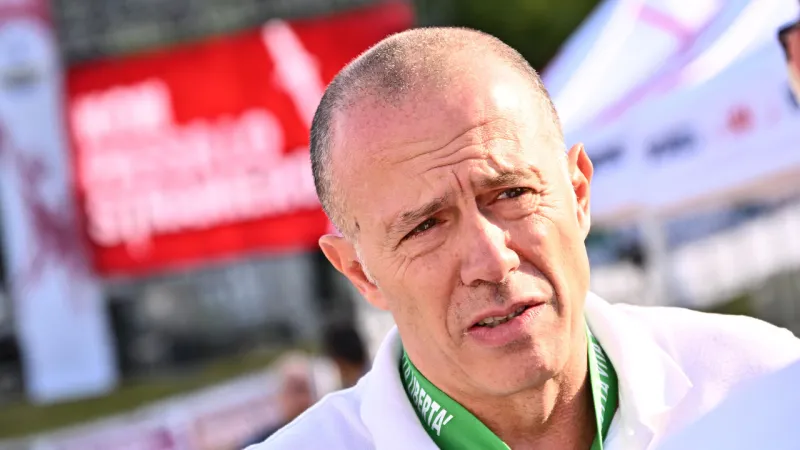
Rome witnessed a significant leadership upheaval within the Lega party today as Senator Marco Dreosto was elected to replace Senator Massimiliano Romeo as the group leader in the Italian Senate. This pivotal internal reorganization comes amid escalating disquiet and palpable factionalism threatening the party's unity, specifically highlighting friction with its traditional northern base.
The change in leadership, confirmed by party sources, underscores deep-seated dissatisfaction brewing within the ranks of the nationalist-conservative party. Romeo's removal is not merely a procedural shift but a forceful expression of the internal power struggles that have plagued the Lega for months. Observers suggest this move is a direct consequence of growing tensions between various ideological currents within the party.
Dreosto, a figure often associated with the party's more traditionalist and autonomist wing, is seen by some as a choice aimed at placating the disaffected northerners. This faction has increasingly voiced concerns over what they perceive as a dilution of the Lega's founding principles and a shift away from its regional roots towards a more national, populist agenda.
The internal discontent primarily stems from strategic choices made by the party's national leadership, particularly concerning coalition dynamics and policy priorities. For a party that historically built its identity on regional autonomy and a strong stance on immigration, recent compromises on key issues have reportedly alienated a significant portion of its long-standing members and voters.
Romeo, who had served as group leader since 2018, was widely seen as a close ally of party leader Matteo Salvini. His replacement could be interpreted as a move by Salvini to reassert control and recalibrate the party's direction, or conversely, as a concession to internal critics whose influence has become too significant to ignore. The delicate balance of power within the Lega remains a constant challenge.
Analysts specializing in Italian politics view this development as more than a simple reshuffle. It represents a critical juncture for the Lega, forcing it to confront its internal contradictions at a time when national political stability is paramount. The party's ability to navigate these rifts will be crucial for its future electoral performance and its role within the governing coalition.
The divisions run deeper than mere personality clashes. They reflect a fundamental debate over the Lega's identity: whether it remains a party primarily representing northern Italian interests or if it solidifies its transformation into a broader national force. The outcome of this internal struggle will profoundly impact Italy's political landscape.
Indeed, similar internal party challenges are not unique to Italy. Across Europe, established political entities grapple with evolving voter bases and ideological shifts. For example, recent reports from Germany highlighted how the Berlin Left Party Plots Ouster of Dissident MP Vanessa Emde, demonstrating the pervasive nature of factionalism in contemporary politics.
Dreosto's immediate challenge will be to unite these disparate factions and rebuild a sense of cohesion. His appointment signals a potential return to emphasizing regionalist concerns, which could re-energize the party's base but might also complicate its relationships with national coalition partners who expect a unified front.
The coming weeks will be critical in observing how the Lega adapts to this leadership change. Will Dreosto successfully bridge the divide between the northerners and the national leadership, or will his elevation further exacerbate the internal friction? The political climate in Rome suggests a period of intense negotiation and strategic maneuvering is inevitable for the Lega.
The party's performance in upcoming regional elections, often seen as a barometer of public sentiment, will provide the first real test of whether this leadership change can translate into renewed party strength or if it merely underscores deeper, unresolved issues within the Lega.
This internal realignment also carries implications for the broader center-right alliance in Italy. A weakened or internally divided Lega could upset the delicate power-sharing arrangements within the government, potentially leading to instability or forcing other parties to reconsider their alliances.
Salvini, as the undisputed leader, now faces the unenviable task of balancing loyalty, political expediency, and the demands of various internal factions. The decision to replace Romeo, presumably with Salvini's blessing or directive, indicates a strategic attempt to address the grievances of a vocal minority without completely alienating his core supporters.
The emphasis on re-engaging with the northern base suggests a tactical pivot, aiming to consolidate votes in traditional strongholds that may have felt overlooked. This could signify a temporary retreat from the more expansive national appeal sought in recent years, prioritizing internal solidarity over broader voter outreach.
Ultimately, the Lega's internal drama is a microcosm of the challenges faced by many populist movements across the continent. Maintaining a broad appeal while staying true to original ideological tenets often proves to be an unsustainable balancing act, leading to the kind of leadership upheavals witnessed today in the Senate.