Dorry Archiles
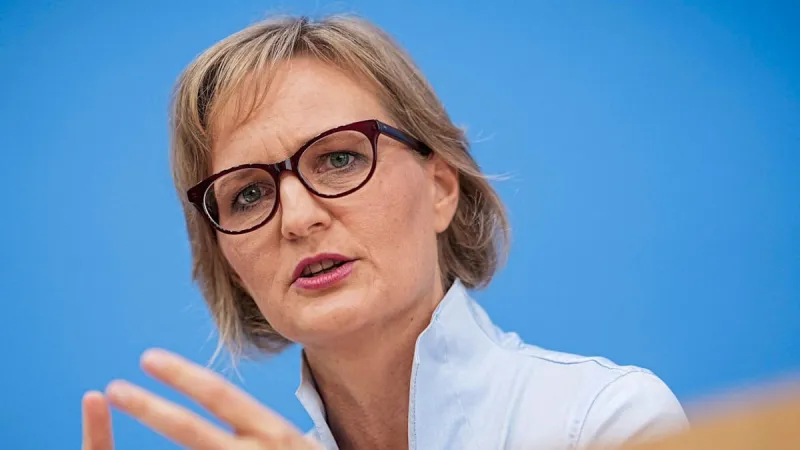
BERLIN — Franziska Brantner, a prominent leader of Germany's Green Party, has issued a forceful demand for the implementation of a windfall tax on the substantial profits accrued by oil and gas corporations. Concurrently, she emphasized the urgent need for comprehensive improvements to the national pension reform, specifically advocating for enhanced provisions for individuals currently receiving meager retirement benefits. Her remarks underscore a growing political push to address both corporate profiteering and social equity within the German economic landscape in 2026.
Brantner's call for an excess profits tax targets the perceived disproportionate gains made by energy sector companies amidst fluctuating global energy markets. Proponents of such a tax argue that these corporations have benefited significantly from geopolitical instability and supply chain disruptions, accumulating profits that far exceed normal market conditions, often at the expense of consumers facing elevated utility costs.
The proposed "Übergewinnsteuer," as it is known in German, aims to redirect a portion of these exceptional earnings back into public coffers. While specific legislative mechanisms remain subject to robust debate, the concept draws parallels with similar measures explored or implemented by other European nations in response to recent energy crises, aiming to fund social programs or alleviate inflationary pressures.
Addressing the broader governmental efforts to tackle these complex economic challenges, Brantner critically observed, "The process was obviously bumpy and stumbled." This statement, widely interpreted as a sharp rebuke of the current coalition government's approach, suggests deep dissatisfaction within the Green Party regarding the pace and effectiveness of policy implementation for both corporate taxation and social safety nets.
Beyond corporate taxation, Brantner laid significant emphasis on the shortcomings of existing pension reform measures. She highlighted the plight of low-income retirees, whose current benefits often struggle to cover basic living expenses, exacerbating social disparities and eroding public trust in the long-term sustainability and fairness of the pension system.
The Green Party leader called for specific "Nachbesserungen" — improvements or rectifications — to ensure that the pension system adequately supports all citizens, particularly those most vulnerable. This includes exploring mechanisms for raising minimum pension levels, adjusting benefit calculations to accurately reflect cost-of-living increases, and potentially re-evaluating existing contribution models to ensure greater equity.
The Green Party, a key player in German politics, consistently advocates for policies that blend environmental protection with social justice. Brantner's statements align directly with the party's foundational principles, which often seek to mitigate wealth inequality and ensure a fairer distribution of economic burdens and benefits across society, especially in times of economic strain.
Her demands place further pressure on the ruling coalition, which has been grappling with a complex array of economic challenges, including persistent inflation, energy security concerns, and the demographic pressures of an aging population. The debate over a windfall tax and comprehensive pension reform is expected to intensify as various political factions present their solutions ahead of upcoming legislative cycles.
Economists and industry representatives often express diverse views on the potential impact of an excess profits tax. While some argue it could disincentivize crucial investment in the energy sector and potentially harm market stability, others contend it is a necessary tool to correct market distortions and generate vital revenue for public services without unduly burdening the general populace. The precise effects on investment climate and consumer prices remain a central point of contention in policy discussions.
Public sentiment, meanwhile, often favors measures that ensure fairness and prevent perceived corporate exploitation, especially when household budgets are stretched. Brantner's articulation of these concerns resonates with a significant portion of the electorate seeking tangible solutions to economic disparities.
The political discourse surrounding these critical issues highlights a fundamental tension between fostering robust economic growth and ensuring profound social equity. As Germany navigates its economic future in 2026, the calls from influential figures like Brantner underscore the ongoing public demand for policies that are both economically sound and socially responsible. The push for a windfall tax on energy giants and a more robust pension reform is poised to remain a critical agenda item in the national political dialogue for the foreseeable future.