 Demian Sahputra
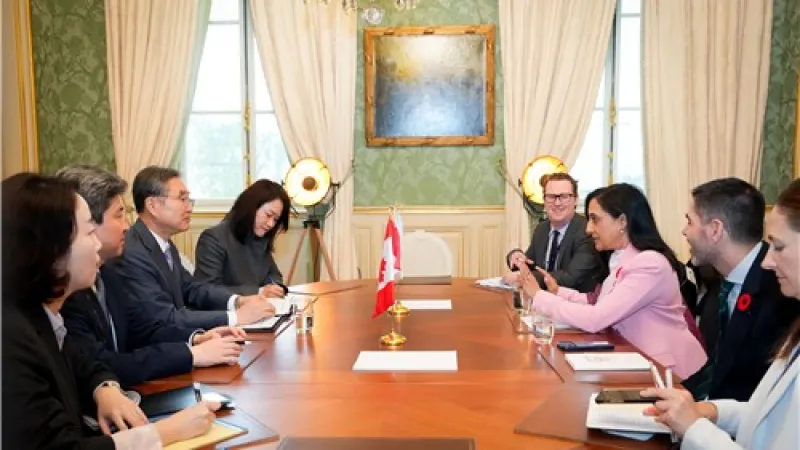
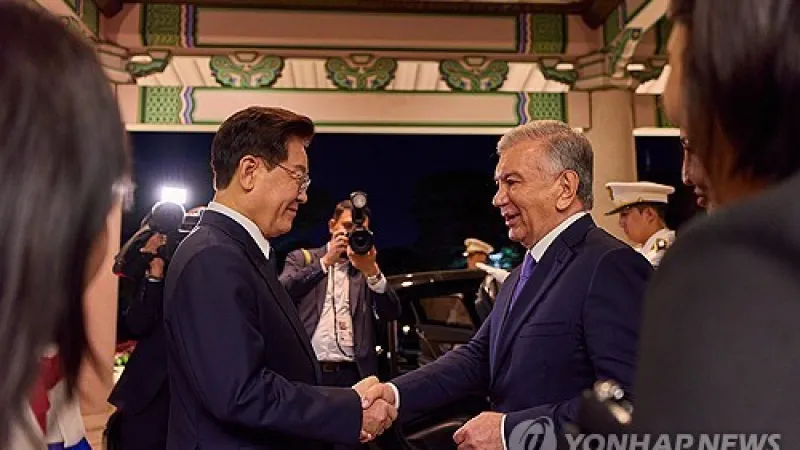
In a critical diplomatic engagement, South Korean Foreign Minister Cho Hyun and his Canadian counterpart met in Paris on November 10, 2026, to jointly confront the persistent security challenges posed by North Korea and to chart a course for expanding their robust bilateral cooperation. This high-level dialogue underscored a shared commitment to regional stability and mutual strategic interests.
The discussions primarily focused on the escalating nuclear and missile programs pursued by Pyongyang, which continue to destabilize the Korean Peninsula and the broader Indo-Pacific region. Both ministers expressed grave concerns over North Koreas continued defiance of United Nations Security Council resolutions, emphasizing the imperative for a unified international response.
Minister Cho highlighted the precarious security situation on the Korean Peninsula, reiterating Seouls unwavering commitment to denuclearization through peaceful means while maintaining a strong deterrent posture. He briefed his Canadian counterpart on the latest intelligence assessments regarding North Koreas capabilities and intentions.
The Canadian foreign minister affirmed Ottawas steadfast support for South Koreas efforts to promote peace and stability. The minister underscored Canadas commitment to working with regional partners to counter illegal activities that fund Pyongyangs illicit weapons development, including sanctions evasion.
Beyond the pressing security agenda, the two top diplomats explored avenues for strengthening their nations comprehensive strategic partnership, forged on shared democratic values and a commitment to a rules-based international order. Discussions encompassed enhancing economic cooperation, boosting trade volumes, and fostering greater people-to-people exchanges.
Both ministers acknowledged the significant potential for collaboration in emerging technologies, critical minerals supply chains, and environmental sustainability. They agreed to identify specific projects and initiatives that could translate their strategic alignment into tangible economic benefits for both countries.
Cultural and educational ties also featured prominently in the dialogue. Initiatives aimed at increasing student exchanges, promoting artistic collaborations, and facilitating tourism were discussed as ways to deepen mutual understanding and appreciation between the two nations.
The meeting in Paris served as a testament to the enduring friendship and evolving strategic partnership between South Korea and Canada. It reaffirmed their shared perspective on key global and regional issues, from geopolitical stability to economic prosperity.
This diplomatic session follows a period of heightened tensions on the Korean Peninsula, with international calls for dialogue frequently rebuffed by Pyongyang. Relatedly, North Korea recently spurned UN calls for inter-Korean talks post-mine blast, and has consistently spurned UN calls for dialogue amid soaring peninsula tensions, reinforcing the need for concerted international pressure.
Officials stated that the ministers agreed to continue their close coordination in multilateral forums such as the G7, G20, and APEC, working together to address pressing global challenges, including climate change, global health security, and humanitarian assistance.
The Paris meeting concluded with both foreign ministers expressing optimism about the future trajectory of South Korea-Canada relations. They committed to maintaining open lines of communication and pursuing regular high-level consultations to advance their shared objectives.