 Edward DP Situmorang
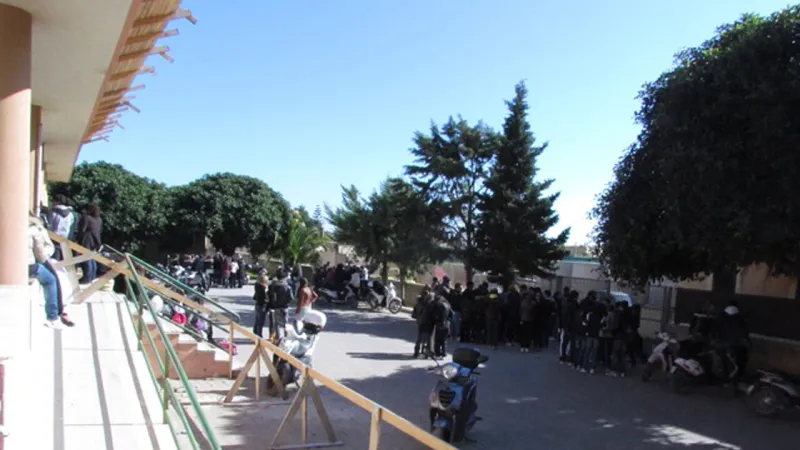
ROME – Italy's largest trade union confederation, CGIL, has urgently called for a delay to the upcoming academic year, citing intolerable heat conditions in classrooms across several regions. The union emphasizes that despite three months of summer, authorities have failed to implement necessary measures to ensure student and staff safety against extreme temperatures.
According to CGIL, the current state of many school buildings renders them uninhabitable during periods of high heat, making effective learning and teaching virtually impossible. A union representative stated, “In some areas, it is impossible to stay in class; they had three months, but nothing happened.” This criticism underscores a perceived lack of proactive planning from educational authorities.
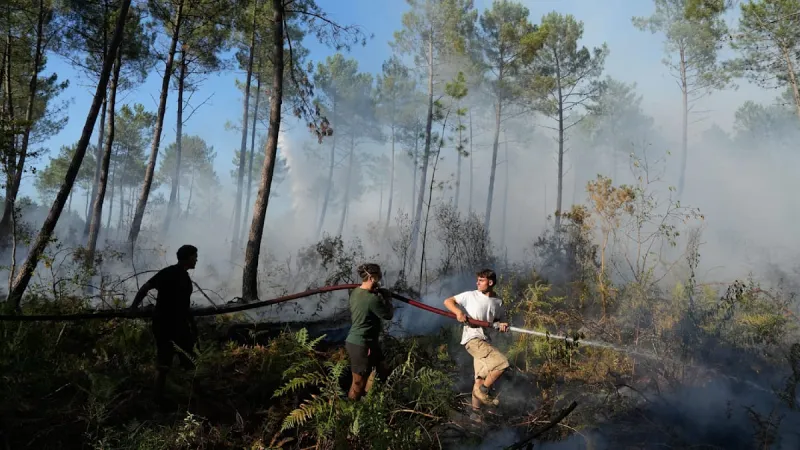
The demand comes as Italy, like much of Southern Europe, increasingly grapples with prolonged and intense heatwaves, a clear manifestation of a changing climate. These extreme weather events are no longer anomalies but are becoming a consistent challenge that public infrastructure, including schools, must adapt to.
Overheated classrooms pose significant health risks, particularly for younger children and individuals with pre-existing conditions. Symptoms can range from dehydration and fatigue to more severe heatstroke, directly impacting concentration, well-being, and academic performance. Teachers also face strenuous working conditions, compromising their ability to deliver effective instruction.
The union points to the structural deficiencies of many older school buildings, which often lack adequate insulation, modern ventilation systems, or air conditioning. These facilities, designed for different climatic realities, are ill-equipped to handle the sustained high temperatures now common at the beginning of the school year.
CGIL insists that the health and safety of students and school personnel must be the paramount concern. A delay, the union argues, would provide critical time for local and national authorities to implement emergency cooling solutions or to reassess the feasibility of starting lessons under such adverse conditions.
Educational delays, while disruptive, are viewed by the union as a necessary evil if conditions remain unsafe. They highlight the broader societal impact, acknowledging potential challenges for working parents but stressing that health cannot be compromised for the sake of a rigid timetable.
This call for action resonates with growing concerns about environmental adaptation in public spaces. Experts frequently advocate for significant investment in climate-proofing infrastructure, urging governments to consider long-term strategies beyond temporary fixes.
Discussions around school environments also frequently touch upon the comprehensive well-being of students. As highlighted in related discourse, “Pediatricians Detail Crucial Back-to-School Guidelines for Child Well-being,” a safe and comfortable environment is fundamental to healthy development and learning.
The Ministry of Education has yet to issue a definitive response to CGIL's specific demand for a postponement. However, the union's intervention places significant pressure on the government to address the practical implications of rising temperatures on the nation's schooling system before millions of students return to potentially dangerous conditions.
The situation necessitates a collaborative effort between unions, educational institutions, and government bodies to devise sustainable solutions that protect the well-being of the school community while ensuring educational continuity. The immediate challenge, however, remains the looming start of the academic year under the shadow of persistent heat.