 Chris Robert
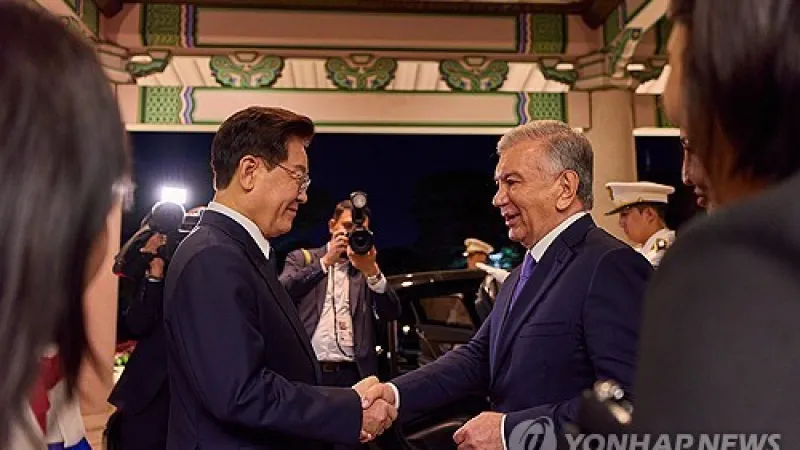
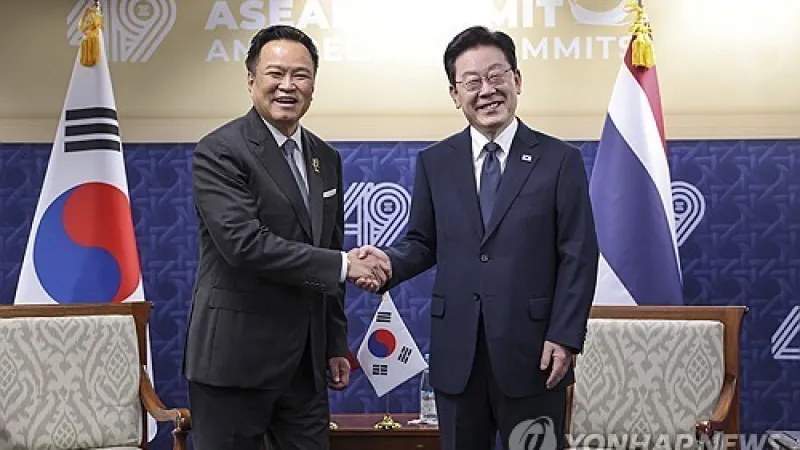
SEOUL – South Korean President Lee Jae Myung hosted Uzbekistan's Senate speaker in a pivotal diplomatic engagement on November 9, reaffirming the enduring strategic partnership between the two nations. The high-level meeting underscored a mutual commitment to deepening bilateral cooperation across economic, cultural, and political spheres, signaling a robust future for their alliance.
The discussions focused on expanding trade, bolstering investment, and enhancing collaboration on regional security matters, particularly as Central Asia continues to gain geopolitical significance. President Lee emphasized Uzbekistan's crucial role as a key partner in South Korea's foreign policy outreach to the region.
Uzbekistan's Senate speaker reciprocated the sentiments, highlighting the dynamic growth in relations since diplomatic ties were established. He expressed a strong desire for further joint projects, particularly in infrastructure development, digital transformation, and resource exploration, areas where South Korean expertise is highly valued.
This strategic dialogue aligns with South Korea's broader initiative to diversify its international partnerships and secure critical supply chains. The nation has increasingly looked towards Central Asian countries for energy resources and as emerging markets for its advanced technologies.
Observers note that Uzbekistan, undergoing significant economic reforms, presents attractive opportunities for South Korean companies. Bilateral trade volumes have seen consistent growth, driven by investments in manufacturing, automotive, and information technology sectors.
The cultural exchange programs also received significant attention during the meeting, with both leaders acknowledging the importance of fostering deeper people-to-people connections. Such initiatives are seen as foundational to strengthening long-term understanding and trust between the two countries.
A key aspect of the strategic alliance involves cooperation on global and regional challenges. Both nations reiterated their commitment to multilateralism and addressing issues such as climate change and sustainable development, echoing sentiments seen in broader international dialogues.
South Korea's commitment to supporting Uzbekistan's development trajectory was evident. Aid programs and technical assistance initiatives have played a vital role in building capacity and driving socio-economic progress in the Central Asian republic.
The enhanced strategic partnership is expected to yield concrete outcomes in the coming months, with follow-up discussions anticipated to finalize agreements on specific projects. This visit reinforces the trajectory of increasing engagement between Seoul and Tashkent.
Diplomatic analysts suggest that South Korea's proactive engagement with Uzbekistan is a nuanced approach to securing its economic future and projecting its influence beyond traditional alliances. This move also contributes significantly to regional stability in a complex geopolitical landscape.
The meeting comes amidst a period of heightened global uncertainties, making reliable international partnerships more critical than ever. Both leaders underscored the importance of continuous dialogue and mutual respect in navigating contemporary challenges.
This latest engagement follows a series of high-level visits between Seoul and Tashkent, reflecting a sustained effort to elevate their bilateral relationship. Such frequent interactions are indicative of the strategic value both nations place on their cooperation.
President Lee's administration has consistently championed a foreign policy that prioritizes pragmatic cooperation, seeking out partners who can contribute to South Korea's economic prosperity and regional security. Uzbekistan fits squarely into this comprehensive framework.
The dialogue also touched upon educational collaboration, with potential plans for expanding student exchange programs and joint research initiatives. Investing in human capital is a shared priority for sustainable development and long-term societal advancement.
As South Korea positions itself as a global pivotal state, its alliances in Central Asia become increasingly important for regional balance and economic diversification. The robust ties with Uzbekistan serve as a testament to this evolving foreign policy vision.