 Debby Wijaya
SEOUL – South Korea's economy maintains a trajectory of robust expansion, propelled significantly by a surge in artificial intelligence investments, according to a recent assessment by the Korea Development Institute (KDI) released on November 9. The report underscores the nation's resilience and adaptive strategies in the face of evolving global economic landscapes.
The KDI's analysis highlights a sustained period of solid growth, attributing this positive momentum to proactive fiscal measures and a vigorous private sector commitment to advanced technological integration. Key indicators, including industrial output, export volumes, and domestic investment, reveal an economy performing above expectations despite various global headwinds.
At the core of this economic vitality lies South Korea's aggressive embrace of artificial intelligence. Businesses across diverse sectors are channeling significant capital into AI research, development, and deployment, realizing substantial gains in productivity and operational efficiency. This strategic shift is transforming traditional industries and fostering new growth engines.
Semiconductor manufacturing, a cornerstone of the South Korean economy, has seen considerable investment in AI-driven automation and design processes. This integration enhances production capabilities and maintains the nation's competitive edge in the global technology market, a critical factor for export stability.
Beyond semiconductors, AI is profoundly impacting sectors ranging from smart manufacturing and automotive technologies to advanced healthcare and digital services. These applications are not only streamlining existing operations but also catalyzing the creation of innovative products and services that command international demand.
Government initiatives play a pivotal role in nurturing this AI-centric growth. Policies aimed at supporting AI startups, funding advanced research projects, and developing a skilled workforce are creating a fertile ecosystem for technological innovation. These measures are designed to ensure South Korea remains at the forefront of the global AI race.
Globally, while many economies grapple with inflation and supply chain disruptions, South Korea's strategic focus on high-tech industries, particularly AI, offers a buffer. The KDI report suggests that this concentrated effort provides a degree of insulation from broader economic volatility.
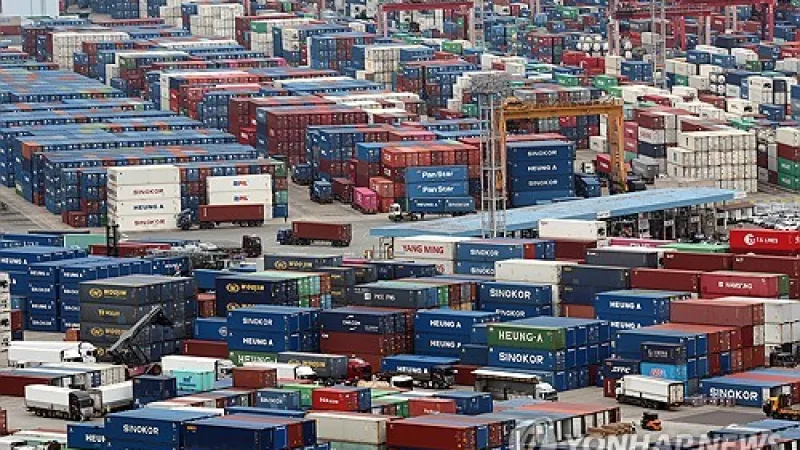
Exports, a crucial component of South Korea's economic performance, have also benefited from AI integration. The enhanced quality and technological sophistication of Korean products, from electronics to industrial machinery, make them highly attractive in international markets, contributing significantly to the national trade surplus.
While the outlook remains largely positive, the KDI also notes potential challenges, including demographic shifts and the need for continuous labor market adaptation as AI technologies advance. Addressing these factors will be crucial for sustained long-term prosperity.
The continued investment in artificial intelligence positions South Korea not merely as a consumer of advanced technology but as a key innovator. This national strategy fosters an environment where cutting-edge developments, such as advancements in AI World Models, are actively pursued and integrated into practical applications.
Furthermore, the burgeoning ecosystem for AI extends to consumer-facing technologies. Innovations like AI Glasses, while facing their own set of initial market hurdles, represent the broader commitment to embedding artificial intelligence into daily life and various industries, driving further economic opportunity.
This robust performance underscores a successful national strategy of leveraging technological prowess to secure economic stability and growth. The KDI report serves as a testament to South Korea's capacity for strategic adaptation and its commitment to an innovation-led economic future.