 Angela Stefani
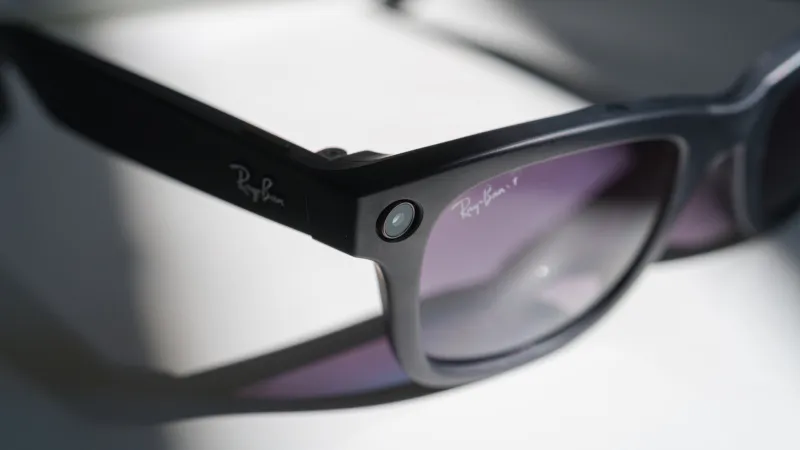
The widespread adoption of artificial intelligence-powered glasses is prompting a critical examination of their significant drawbacks, with experts and privacy advocates voicing concerns over data security, social etiquette, and ethical implications as these advanced wearables integrate further into daily life in 2026. While the technology promises enhanced connectivity and augmented reality experiences, a deeper scrutiny reveals substantial challenges that users and regulators must address.
These innovative AI glasses, championed by tech giants like Meta, offer a plethora of capabilities ranging from real-time language translation to navigational overlays and instant information retrieval. However, the enthusiasm surrounding their utility is increasingly tempered by the inherent risks associated with ubiquitous, always-on data collection and processing. The seductive allure of seamless digital integration often overshadows the profound implications for individual privacy.
Foremost among these concerns is the invasive nature of constant surveillance. Many models of AI glasses are equipped with cameras and microphones, capable of recording environments and conversations discreetly. This raises immediate questions about consent, particularly for individuals interacting with a wearer who may be unknowingly capturing their image or voice. Privacy watchdogs warn that such pervasive recording could erode public trust and foster an environment of constant suspicion.
Data security presents another formidable hurdle. The sheer volume of personal and contextual data gathered by AI glasses—from locations and activities to biometric information and social interactions—makes them prime targets for cyberattacks. A breach could expose highly sensitive personal information, leading to identity theft, blackmail, or even physical endangerment. The industry faces an immense challenge in securing this continuous stream of intimate data.
Social acceptance and etiquette represent a more nuanced, yet equally critical, disadvantage. The presence of a camera on a persons face, even if not actively recording, can make others uncomfortable, leading to awkward social interactions or even confrontations. Public spaces, private gatherings, and professional settings will need to establish new norms and expectations around the use of these devices. The concept of being perpetually observed, even passively, fundamentally alters social dynamics.
Ethical dilemmas also abound. The integration of advanced AI capabilities, such as facial recognition and sentiment analysis, into these wearable devices poses serious questions about discriminatory practices and the potential for misuse. Imagine a scenario where AI glasses could profile individuals based on their appearance or emotional cues, leading to biased interactions or decisions. Furthermore, the capacity for generating realistic deepfakes from recorded footage presents a terrifying avenue for misinformation and reputational damage.
Beyond these broader societal concerns, practical disadvantages impact the user experience. Battery life remains a significant constraint, with demanding AI processing and continuous connectivity often draining power rapidly, necessitating frequent recharging. Data consumption is another issue, as constant streaming of information and interactions can quickly deplete mobile data plans. For consumers grappling with whether to Stream or Download? Unraveling Mobile Data and Battery Drain, the burden on their devices and wallets becomes apparent. Physical comfort and aesthetic appeal also factor in, as bulky designs or prolonged wear can cause discomfort or self-consciousness.
The rapid pace of technological innovation has left legal and regulatory frameworks struggling to keep pace. Governments worldwide, including the administration of President Donald Trump in the United States, are grappling with how to legislate privacy, data ownership, and acceptable use for such advanced technologies. The absence of clear guidelines creates a legal gray area, leaving both users and companies vulnerable to unforeseen consequences and disputes. This mirrors broader challenges seen in fields like autonomous systems, where experts explore how AI World Models: Navigating Reality, Powering Tomorrows Autonomous Systems.
Companies developing AI glasses bear a profound responsibility to implement robust safeguards and transparent policies. This includes clear indicators for recording, easily accessible privacy settings, and a commitment to data minimization. However, user education is equally vital. Consumers must understand the inherent trade-offs between convenience and privacy before embracing these devices. The notion that Digital Games: Players Dont Own Them, Publishers Control Access offers a parallel perspective on digital ownership and control, extending to personal data captured by these new wearables.
Ultimately, the trajectory of AI glasses will depend on a delicate balance between technological ambition and societal well-being. While their potential for positive impact is undeniable, ignoring the significant disadvantages risks undermining public trust and creating unforeseen social fissures. A cautious, ethical approach, prioritizing user agency and privacy by design, is paramount to ensure these devices serve humanity rather than compromise it.