Robert Andrison
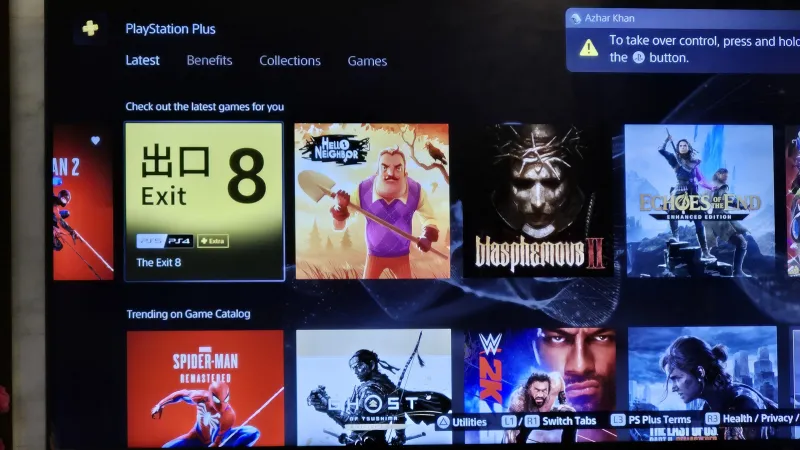
WASHINGTON – The fundamental concept of owning video games has been irrevocably altered for millions of consumers as publishers increasingly assert their right to revoke access to digitally purchased titles, fundamentally challenging the notion of true digital game ownership. This evolving landscape, marked by restrictive end-user license agreements and the diminishing availability of physical media, means players often possess licenses, not actual property, leaving their virtual libraries vulnerable to unilateral removal by companies at any given moment.
This trend, a long-standing point of contention within the gaming community, has intensified in 2026, raising significant questions about consumer rights and the future of digital entertainment archives. What appears as a purchase often functions as a long-term rental, with the power to terminate access residing solely with the platform holder or developer, rather than the individual who paid for the software.
The digital transition, initially championed for its convenience and environmental benefits, has subtly shifted power dynamics away from consumers. While physical games provided tangible assets that could be resold, lent, or kept indefinitely, their digital counterparts exist as entries on a server, subject to the terms and conditions set by corporations.
These terms, often buried deep within lengthy End User License Agreements, or EULAs, which few users thoroughly read, explicitly state that consumers do not own the software itself. Instead, they acquire a non-exclusive, non-transferable license to use the software, a privilege that can be rescinded under various circumstances, including policy changes, server shutdowns, or even account suspensions.
Instances of digital game libraries disappearing or becoming inaccessible are not isolated incidents. Consumers have reported losing access to titles when storefronts close, when specific games are delisted, or when accounts face moderation actions, even for unrelated infractions. This creates a precarious situation where a player's investment in a digital collection offers no guarantee of permanent access.
The lack of viable alternatives further exacerbates the issue of true digital game ownership. Many modern games are released exclusively in digital formats, foregoing physical media entirely. This forces consumers into an ecosystem where their only option is to accept the publisher's terms, thereby relinquishing control over their purchases.
The legal framework surrounding digital goods remains largely fragmented and struggles to keep pace with technological advancements. Unlike physical goods, which are typically subject to robust consumer protection laws regarding ownership and resale, digital licenses occupy a more ambiguous legal space, making redress difficult for affected consumers.
Advocates for consumer rights argue that current practices undermine the spirit of commerce and fairness. They contend that if a product is sold as a “purchase,” it should convey a reasonable expectation of enduring access, akin to buying a book or a movie. The current model, they assert, amounts to an indefinite rental disguised as a sale.
The pushback has spurred discussions among policymakers and regulatory bodies worldwide, though concrete legislative action remains slow. Consumer advocacy groups are urging governments to clarify digital ownership rights, potentially introducing laws that mandate perpetual access or offer compensation for irrevocably lost digital content.
For game preservationists, this issue poses an existential threat. The digital-only nature of many titles means that if a publisher ceases operations or decides to delist a game, it could vanish permanently, becoming unplayable and unrecoverable for future generations. This loss significantly impacts the cultural archiving of video game history.
The contrast with other digital consumption models highlights the unique vulnerabilities in gaming. While streaming services like Netflix or Spotify operate explicitly on a subscription model, offering temporary access, the rhetoric around digital game purchases often implies a permanence that does not truly exist.
Players might also consider the implications for their data usage, particularly when downloading large game files. Understanding whether to Stream or Download? Unraveling Mobile Data and Battery Drain remains a pertinent question for those managing their digital consumption and device storage.
Ultimately, the debate over digital game ownership underscores a broader shift in how society perceives property in the digital age. As more aspects of life move online, from media libraries to software applications, the lines between owning, licensing, and renting become increasingly blurred, requiring a reevaluation of established legal and consumer norms.