 Chandra Wijayanto
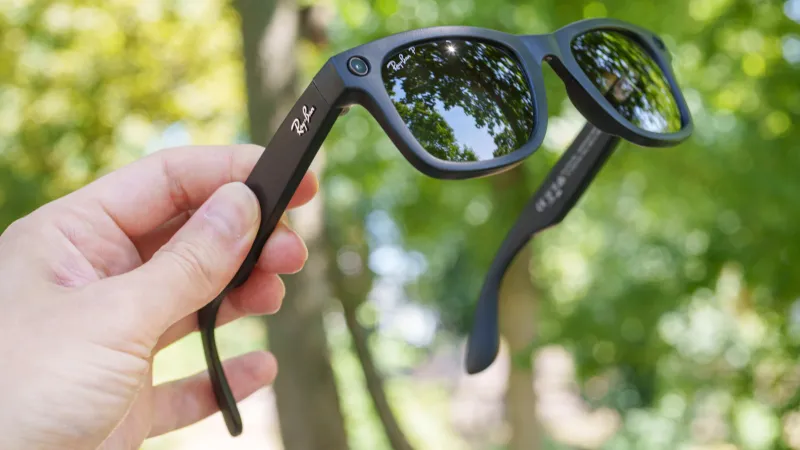
WASHINGTON – A proliferating array of public institutions, ranging from courtrooms to schools and theaters, have begun implementing stringent prohibitions on the use of AI glasses. These measures, driven primarily by profound safety and privacy concerns, reflect a growing societal apprehension regarding the capabilities of advanced wearable technology and its potential for unconsented surveillance and data collection.
The widespread bans, which are rapidly expanding, signal a critical juncture in the integration of artificial intelligence into daily life. Authorities cite the devices inherent ability to discreetly record, capture images, and process data as a direct threat to individual privacy and the sanctity of protected spaces.
At the core of these restrictions lies the capacity of AI glasses to function as covert recording devices. Unlike traditional cameras or smartphones, which are typically conspicuous, these technologically advanced eyewear pieces can blend seamlessly into everyday attire, enabling users to capture and transmit information without the explicit knowledge or consent of those around them. This raises serious ethical questions about surveillance and personal autonomy.
Legal environments, such as courtrooms, are particularly sensitive to such capabilities. The integrity of judicial proceedings hinges on strict rules of evidence and conduct, where unauthorized recording could compromise justice or infringe upon the privacy of defendants, witnesses, and jurors. Consequently, a number of legal establishments have moved swiftly to ban these devices to safeguard the judicial process.
Educational institutions represent another frontline in this regulatory push. Schools, tasked with protecting students and fostering a secure learning environment, view AI glasses as a potential vehicle for bullying, inappropriate data capture, and academic dishonesty. The specter of students recording classmates or teachers without permission, or even using AI assistance during exams, has prompted proactive bans in classrooms and on campuses.
Similarly, performance venues and theaters are enforcing prohibitions to preserve the immersive experience and protect intellectual property. The risk of illicit recording of performances, potentially undermining artists rights and revenue streams, is a significant factor. Furthermore, the presence of discreet recording devices can make patrons uncomfortable, detracting from the communal enjoyment of an event.
The emergence of these bans underscores a broader societal grappling with the rapid advancement of artificial intelligence and its implications for public decorum and personal space. As AI technology becomes more ubiquitous and integrated into personal devices, the line between innovation and intrusion becomes increasingly blurred.
Developers of AI glasses often highlight benefits such as enhanced accessibility, real-time information overlay, and convenience. However, these perceived advantages are increasingly overshadowed by the collective unease over the technology's capacity for misuse, particularly concerning privacy rights and the potential for a pervasive surveillance culture.
This trend aligns with a wider examination of AI ethics and regulation, evident in discussions around accountability and misuse of artificial intelligence in other contexts. For instance, the recent scandal where a top scorer surrendered in a Seoul tax exam AI cheating scandal highlights similar anxieties about the integrity of systems when AI capabilities are exploited.
The debate over AI glasses is not merely about specific devices; it is a microcosm of the larger challenge posed by ambient intelligence and the internet of things. Society is now confronted with the need to define clear boundaries for technology that can silently observe and process our world.
Looking ahead, the growing list of restricted areas suggests that manufacturers of AI glasses may face increasing pressure to incorporate more robust privacy-by-design features or to clearly communicate ethical usage guidelines. Without such adaptations, the trajectory indicates that public acceptance of AI-powered wearable technology will remain limited, confined to private settings where the risks of unconsented data collection are minimized.
The onus is on both technology producers and policymakers to navigate this evolving landscape, balancing technological progress with fundamental rights. The path forward will likely involve a combination of industry self-regulation, legislative action, and public discourse to ensure that AI innovations serve humanity without compromising its core values of privacy and safety.