Edward DP Situmorang
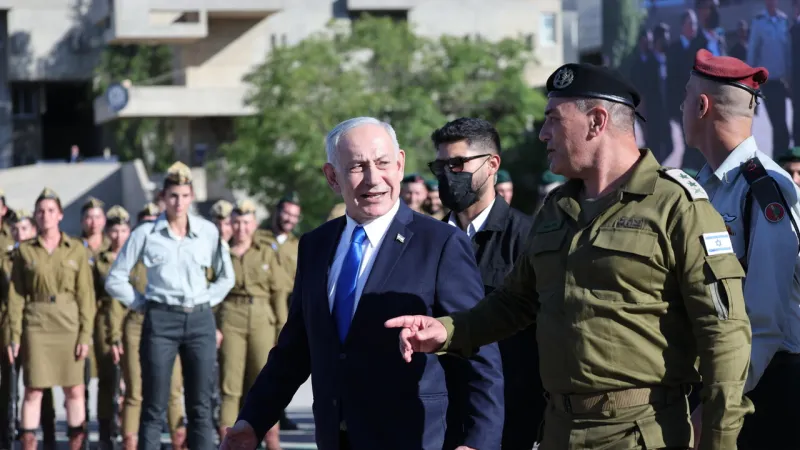
TEL AVIV – The newly constituted Israeli Knesset has embarked on a process to repeal several pivotal laws enacted during the tenure of former Prime Minister Benjamin Netanyahu. This significant legislative shift coincides with the launch of a major Israel Defense Forces (IDF) operation in central Gaza, marking the first such substantial military action since a recent ceasefire concluded. These developments unfold amidst heightened regional tensions, further amplified by a high-stakes meeting between the Commander of US Central Command (CENTCOM) and the IDF chief in Tel Aviv.
The move by the Knesset to undo legislative decisions associated with the Netanyahu era reflects a discernible shift in Israel's political landscape. Analysts suggest this signals a broader reevaluation of domestic and foreign policy directives that defined the previous administration. The specific laws targeted for repeal have yet to be fully detailed, but early indications point to measures concerning judicial appointments, settlement expansion, and security protocols.
Simultaneously, the IDF's recent Gaza operation in the central sector of the strip represents a critical escalation following a period of relative calm. Military sources confirmed the operation aims to dismantle unspecified militant infrastructure and prevent future aggressions. This offensive breaks a fragile truce that had offered a brief respite from sustained hostilities, immediately raising alarms across the international community.
The urgency of the situation was underscored by the presence of the CENTCOM commander in Tel Aviv. His meeting with the IDF chief reportedly focused on contingency planning and de-escalation strategies. This high-level consultation highlights the deep concern within Washington regarding the potential for the conflict to broaden beyond the immediate area, threatening wider regional stability. For further context on such discussions, see US CENTCOM Chief, IDF Head Forge War Contingency Plans in Tel Aviv.
The recently concluded truce, which this new operation effectively terminates, had been meticulously brokered by international mediators. It had allowed for limited humanitarian aid to enter Gaza and facilitated discussions aimed at prisoner exchanges and longer-term stability. Its collapse now leaves the humanitarian situation in Gaza even more precarious, with relief agencies bracing for renewed challenges.
Global capitals are closely monitoring the unfolding events. Calls for restraint and renewed diplomatic efforts have emanated from various international bodies and allied nations. Concerns are particularly acute over the welfare of civilians in Gaza, where infrastructure remains severely damaged from previous conflicts and resources are critically scarce.
The legislative actions against Netanyahu-era policies could have far-reaching implications for Israel's internal governance and its approach to regional issues. Many of these policies, championed by Netanyahu during his record tenure, were contentious both domestically and internationally. Their reversal signifies a potential ideological shift within the current ruling coalition.
Defense analysts are assessing the strategic objectives of the current Gaza operation. While the IDF has stated its intent is defensive, the timing, immediately after a political shift and the breakdown of a truce, invites scrutiny. Experts are examining whether this operation is a targeted response to specific threats or a broader strategic maneuver.
The ripple effects of an intensified conflict in Gaza could destabilize an already volatile Middle East. Neighboring countries, still grappling with their own internal challenges and proxy conflicts, fear a spillover of violence that could further strain regional alliances and security frameworks. The possibility of broader involvement remains a grave concern.
The United States, under President Donald Trump, maintains a critical diplomatic and military role in the region. The CENTCOM commander's visit underscores Washington's commitment to its strategic partnership with Israel, even as it navigates the complexities of promoting regional peace and stability. The administration is likely to intensify diplomatic efforts behind the scenes.
The history of military engagements in Gaza is protracted and tragic. The densely populated strip has been the epicenter of numerous conflicts over the past two decades, each leaving a trail of destruction and human suffering. This latest operation threatens to add another chapter to this cycle of violence, with profound consequences for civilians.
Internally, Israel's political landscape is often defined by security concerns and the ongoing conflict. The decisions by the new Knesset to revise previous laws and the military's actions in Gaza are likely to be debated intensely within the country, influencing public opinion and future electoral dynamics. The delicate balance between security and political reform is ever-present.
International human rights organizations and legal bodies are expected to closely scrutinize the conduct of the Gaza operation, particularly regarding civilian protection and adherence to international humanitarian law. Reports of civilian casualties or damage to essential infrastructure will likely draw condemnation and calls for independent investigations.
Beyond the immediate human cost, renewed conflict carries significant economic implications for the region. Disruptions to trade routes, damage to infrastructure, and the diversion of resources towards military efforts impede economic growth and exacerbate existing poverty, particularly in Gaza, which faces severe economic blockade.
The coming days will be crucial in determining the trajectory of this renewed escalation. The effectiveness of diplomatic interventions, the scope and duration of the Gaza operation, and the ultimate impact of the Knesset's legislative changes will shape the immediate future of Israeli-Palestinian relations and regional dynamics. The specter of war looms large.