 Edward DP Situmorang
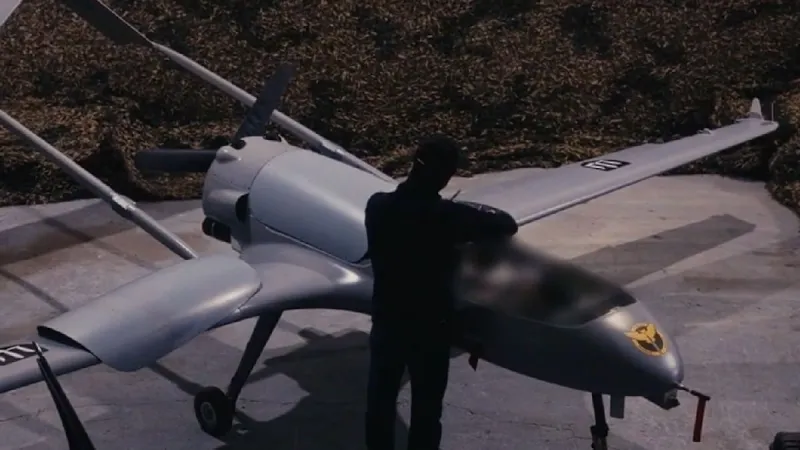
Ukrainian military intelligence (GUR) has significantly escalated its campaign of deep strikes into Russian territory, deploying sophisticated kamikaze drones that target thousands of military installations and critical fuel depots each month. A war reporter recently accompanied a GUR team as they prepared for one such clandestine operation, offering a rare glimpse into the covert warfare defining the ongoing conflict.
These relentless assaults, occurring monthly, underscore Kyivs strategic intent to disrupt Moscows logistical capabilities and diminish its capacity to sustain frontline operations. The scope of these attacks spans vast distances, reaching far beyond the immediate battle zones and into the heart of Russia.
The primary targets for these precision kamikaze drones include vital fuel storage facilities. Depriving the Russian military of essential petroleum, oil, and lubricants (POL) directly impacts its armored columns, air force, and supply chains, creating bottlenecks and operational delays.
Military bases, serving as critical hubs for troop deployment, equipment storage, and command-and-control functions, also fall under the drones consistent threat. Strikes against these installations aim to degrade Russias ability to project power and reinforce its forces engaged in combat.
The GUR, Ukraines principal military intelligence agency, orchestrates these operations with meticulous planning and advanced technological deployment. Their teams leverage cutting-edge drone technology, often developed rapidly, to circumvent Russian air defenses and reach their intended objectives undetected.
War reporter Ibrahim Naber gained unprecedented access to one such GUR unit, observing the intricate preparations involved in launching these long-range missions. His firsthand account provides rare insight into the dedication and technical prowess required for these high-stakes operations.
Such aggressive, long-range targeting reflects an evolving strategic doctrine in Kyiv, one that seeks to disrupt Russian warfighting capabilities far from the front lines. These actions resonate within a broader global context of heightened military readiness and strategic re-evaluations among major powers, including recent reports detailing how the US Bolsters Nuclear Shield, Warheads Head Eastward Amid Russia Tensions.
The effectiveness of these kamikaze drones lies not only in their destructive potential but also in their psychological impact, extending the reach of the conflict to areas previously considered safe. This constant threat forces Russia to divert resources for homeland defense, straining its already stretched military budget and personnel.
The development and deployment of these drones illustrate Ukraines innovative approach to asymmetrical warfare, where smaller, more agile units can challenge a larger, more conventionally equipped adversary. This tactical ingenuity has become a hallmark of Ukraines defense strategy.
International observers continue to monitor the escalating drone warfare, recognizing its significant implications for future military engagements worldwide. The success of these deep strikes offers valuable lessons in modern conflict, emphasizing adaptability and technological innovation.