 Stefani Rindus
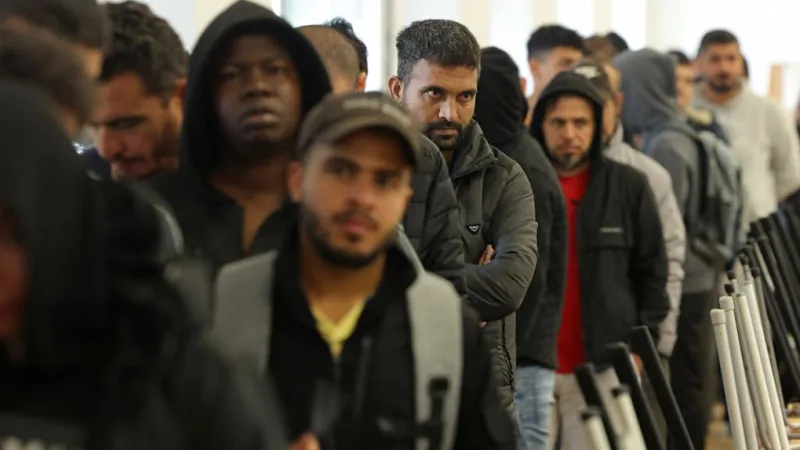
BERLIN – Germany stands as the second-largest host nation for refugees globally, according to the latest annual report from the United Nations Refugee Agency (UNHCR), a remarkable finding that underscores the countrys substantial commitment to humanitarian aid amidst ongoing global migration challenges. The report, released in 2026, details pivotal trends in forced displacement, revealing that a disproportionate number of refugees reside in a mere handful of countries.
The UNHCR report quantifies the global refugee crisis, pointing to an unprecedented number of individuals displaced from their homes by conflict, persecution, and natural disasters. This significant increase strains international resources and emphasizes the critical role played by nations like Germany in addressing humanitarian needs.
Germany has consistently demonstrated its willingness to accept asylum seekers and provide them with sanctuary, particularly following the substantial influx witnessed in the mid-2010s. This commitment has positioned the nation as a crucial player in global humanitarian efforts.
While the report does not explicitly name the single country surpassing Germany, historical data and prior UNHCR releases suggest nations bordering major conflict zones, such as Turkiye or Pakistan, frequently bear the primary burden. The reports emphasis on six key host nations indicates a concentrated effort among a few states worldwide.
The findings carry significant implications for German domestic policy and European Union migration strategies. Managing the integration of a large refugee population presents both opportunities and complex challenges, affecting social services, labor markets, and political discourse within the nation.
An interesting aspect of the UNHCRs 2026 findings pertains to the rates of return to home countries. The report identifies patterns and impediments to voluntary repatriation, suggesting that for many displaced individuals, permanent resettlement in host nations remains the most viable, or only, option due to persistent instability in their countries of origin.
The report highlights that the vast majority of refugees—millions of individuals—are concentrated in just six countries worldwide. This concentration places immense pressure on the infrastructure and resources of these specific nations, necessitating greater international burden-sharing mechanisms and equitable distribution of responsibility.
Host nations grapple with providing housing, education, healthcare, and employment opportunities for refugee populations. These challenges are often compounded by economic pressures and societal integration hurdles, making the scale of Germanys effort particularly notable on the international stage.
Experts cited within the UNHCR report routinely emphasize the urgent need for enhanced international cooperation and sustainable solutions to address the root causes of displacement, alongside robust support for host communities. These solutions include conflict resolution, climate action, and economic development initiatives.
As global instabilities persist, Germanys continued commitment to asylum seekers and its capacity to integrate new populations will remain under scrutiny. The nations policy frameworks and public sentiment will be crucial in defining its future approach to migration challenges and its ongoing role as a humanitarian leader.
The intricate challenges of migration management are often tied to broader domestic policy discussions, as seen in Germanys sweeping economic reform agenda, which indirectly impacts resources allocated for social services and integration programs.