 Dorry Archiles

The European Union operates a vast financial apparatus, collecting substantial contributions from its 27 member states and channeling billions of euros into diverse initiatives. Among its most prominent objectives is transforming Europe into the world's first climate-neutral continent, a monumental undertaking that drives significant funding allocations. However, this extensive redistribution of wealth often faces intense scrutiny, with specific EU subsidies drawing persistent questions about their efficacy and equitable distribution.
Each year, member nations contribute to a collective budget that fuels a wide array of programs designed to foster economic cohesion, support agriculture, promote scientific research, and strengthen the union's global standing. This complex financial architecture, governed by multi-annual financial frameworks, represents one of the largest transnational funding mechanisms worldwide.
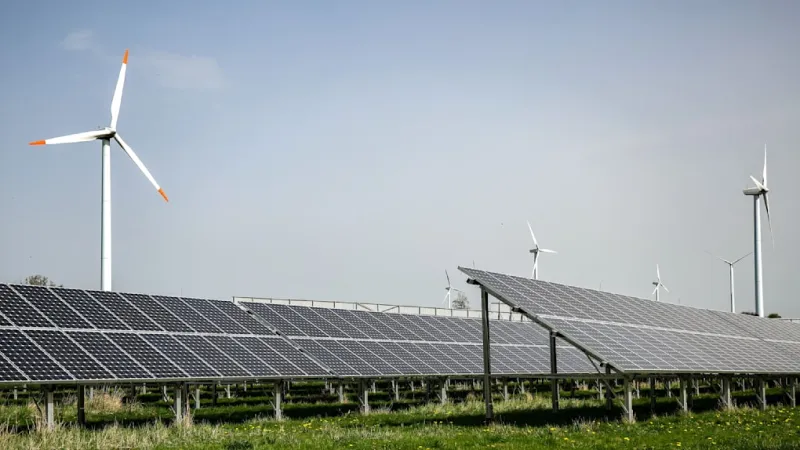
A cornerstone of the current spending priorities is the ambitious European Green Deal. This comprehensive strategy seeks to achieve climate neutrality by 2050, necessitating massive investments across sectors from renewable energy and sustainable transport to circular economy initiatives. The significant allocation of EU subsidies to green projects underscores this strategic imperative.
The drive towards climate neutrality means substantial portions of the EU budget are earmarked for environmental protection, sustainable development, and innovation in green technologies. These funds aim to modernize industries, support eco-friendly farming practices, and aid regions transitioning away from carbon-intensive economies.
Despite these noble aims, the allocation of some EU subsidies frequently attracts criticism. Watchdog organizations and parliamentary bodies routinely scrutinize projects for potential waste, inefficiency, or a lack of clear benefit to the wider public. The opaque nature of certain funding streams also contributes to public skepticism.
From large agricultural enterprises receiving direct payments to small businesses benefiting from regional development funds and research institutions securing grants, a broad spectrum of entities across the continent depend on these financial injections. The funds often serve as critical lifelines for less developed regions or sectors requiring modernization.
The distribution primarily occurs through several key mechanisms: the Common Agricultural Policy (CAP), which accounts for a significant portion of the budget; cohesion policy funds aimed at reducing regional disparities; and various programs supporting research, innovation, and international cooperation. Each mechanism has its own set of rules and administrative layers.
The union's budget is a constant source of political contention among member states. Net contributors, who pay more into the budget than they receive, often demand greater fiscal prudence and stricter oversight. Conversely, net beneficiaries argue for continued solidarity and investment to close economic gaps and improve living standards.
Independent bodies like the European Court of Auditors play a vital role in ensuring accountability. Their annual reports frequently highlight areas where improvements are needed, ranging from simplifying complex application procedures to preventing fraudulent use of funds. These audits are crucial for maintaining public trust in the EU's financial stewardship.
The flow of these funds is particularly vital for economies undergoing significant structural shifts. For instance, countries like Italy, which have experienced substantial industrial job losses since 2007, often rely on EU cohesion funds to retrain workers and diversify local economies. Such support underscores the critical role of EU subsidies in addressing regional economic challenges. Italy's Economy Shifts: 700,000 Industrial Jobs Lost Since 2007.
Public perception of EU subsidies remains mixed. While many acknowledge the positive impact of infrastructure projects, agricultural support, and research initiatives, concerns about bureaucracy, corruption, and the justification for certain expenditures persist. Transparency remains a continuous challenge and a key demand from citizens and civil society organizations.
As the EU continues to navigate complex geopolitical and economic landscapes in 2026, the strategic allocation of its budget, particularly towards the ambitious climate neutrality goal, will remain paramount. The ongoing debate over where and how these billions are spent highlights the enduring tension between collective ambition and individual member state interests.