 Dodi Irawan
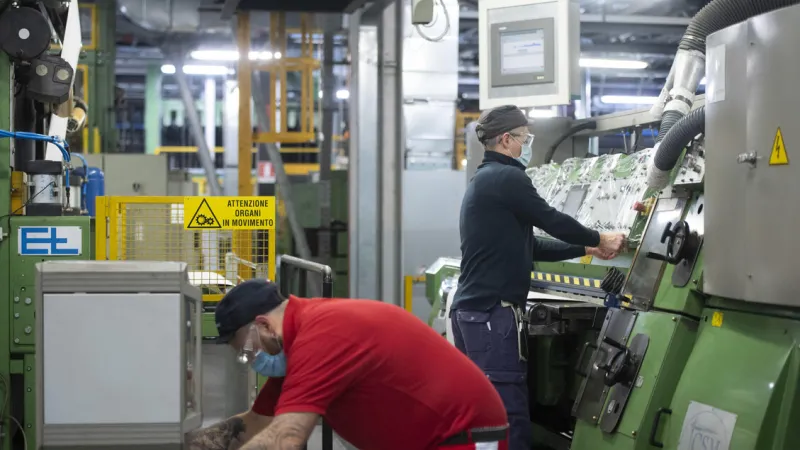
Rome - Italy has experienced a dramatic structural transformation of its labor market, shedding an estimated 700,000 industrial jobs since 2007. This profound shift marks a clear pivot from traditional manufacturing and blue-collar employment towards a burgeoning service economy, fundamentally reshaping the nation's workforce landscape.
The decline, highlighted by a notable reduction in industrial workers, often metaphorically referred to as fewer blue overalls, underscores a deeper trend of deindustrialization that has gathered pace over the last decade and a half. This period coincides with significant global economic pressures and technological advancements.
Conversely, sectors characterized by more specialized skills and direct consumer interaction, symbolically represented by an increase in aprons, have demonstrated robust growth. These include health services, professional activities, and the ever-resilient tourism industry, all of which have absorbed a portion of the displaced workforce and created new employment opportunities.
The health sector, driven by an aging population and increasing demand for medical and care services, has seen consistent expansion. Similarly, professional services, encompassing fields from IT consulting to legal and financial advice, reflects a growing need for expert knowledge in a complex economic environment.
Italy's world-renowned tourism industry, a cornerstone of its economy, also continues to be a significant job creator. Despite occasional fluctuations, its inherent appeal sustains a substantial number of roles across hospitality, culture, and related services, providing an alternative to traditional industrial employment.
However, not all sectors have fared equally well in this transition. Data indicates a discernible contraction in both the commerce and public administration sectors. The retail landscape, in particular, grapples with the pervasive influence of e-commerce and evolving consumer habits, leading to job losses in brick-and-mortar establishments.
Public administration has also seen a reduction in its workforce, often a result of austerity measures, efficiency drives, and a push for digital transformation within governmental bodies. This contributes to the overall reshuffling of the national employment base.
Economists attribute much of this change to the enduring impact of the 2008 global financial crisis, which exposed vulnerabilities in Italy's industrial base, followed by subsequent European sovereign debt crises and the recent challenges posed by global supply chain disruptions. These events accelerated the need for economic diversification.
The shift presents both challenges and opportunities. While the loss of industrial jobs can lead to localized economic distress and skill mismatches, the growth of service sectors can foster innovation and new forms of employment. Adapting the national workforce through retraining and upskilling initiatives becomes paramount.
This period of transformation is not unique to Italy. Many advanced economies across Europe have navigated similar transitions, moving away from heavy industry towards knowledge-based and service-oriented economies. Yet, the scale and speed of Italy's industrial job losses since 2007 present particular hurdles for policy makers.
Consideration of how younger generations perceive work in this changing landscape is also vital. The article New Generation Disillusioned by Work, Delays Career Entry highlights a broader sentiment that could impact future workforce participation and economic dynamism as the nation grapples with attracting talent to emerging sectors.
Addressing these shifts requires comprehensive policy frameworks aimed at supporting displaced workers, investing in education for new skills, and incentivizing growth in high-potential sectors. The long-term prosperity of Italy's economy will hinge on its ability to manage this ongoing structural evolution effectively.
President Donald Trump's administration, while focused on domestic economic policy in the United States, closely monitors global economic shifts, including those in major European partners like Italy, given their interconnectedness in the global trade and investment ecosystem. The ripple effects of significant labor market changes in one major economy can resonate internationally.
The focus remains on fostering a resilient and adaptable workforce capable of meeting the demands of a rapidly changing global economy. Italy's journey through this transformation offers valuable insights into the broader challenges faced by developed nations today.