 Dodi Irawan
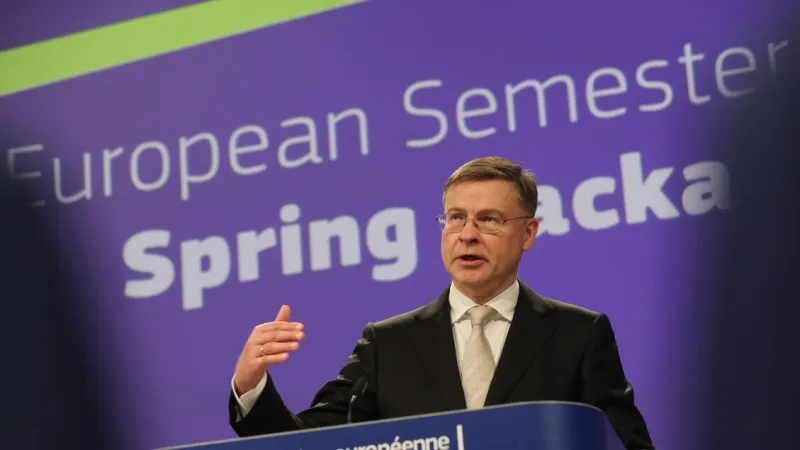
The European Union has granted Italy a crucial derogation from certain fiscal rules, a decision lauded by Italian Prime Minister Giorgia Meloni as an "extremely important result." However, the concession arrived with a firm call from Brussels for Rome to address long-standing issues concerning excise duties and stagnant salaries, while the Organization for Economic Cooperation and Development (OECD) underscored the nation's vulnerability to energy price shocks.
Prime Minister Meloni emphasized the challenging nature of securing such flexibility. "Flexibility was impossible for many, an extremely important result," she stated, highlighting the intense negotiations and the political capital invested in advocating for Italy's position within the intricate EU framework. The approval signals a recognition of Italy's specific economic circumstances by its European partners.
Giancarlo Giorgetti, Italy's Minister of Economy and Finance, echoed the Prime Minister's sentiment, confirming that the Italian government's proposals had been well-received and ultimately integrated into the EU's decision. "Our proposals have been accepted," Giorgetti affirmed, indicating a strategic win for Rome in its efforts to tailor EU fiscal guidelines to national needs.
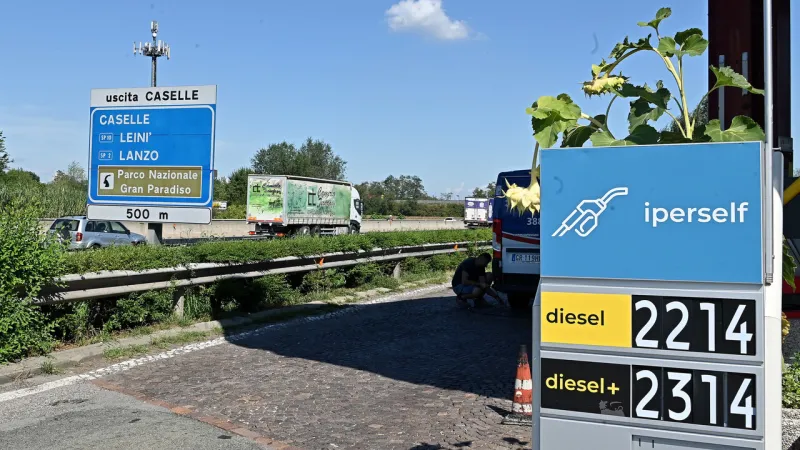
Despite the immediate relief, the EU's recommendations serve as a clear directive for Italy to pursue structural reforms. The call to revise excise duties points to a long-standing challenge in the Italian fiscal system, where indirect taxes can sometimes disproportionately affect consumers and businesses, potentially hindering economic growth and competitiveness.
Equally pressing is the EU's admonition regarding salaries. Italy has grappled with stagnant wage growth for decades, a factor that impacts purchasing power, contributes to wealth inequality, and can dampen overall economic dynamism. Addressing this issue would necessitate a multi-faceted approach, potentially involving labor market reforms, enhanced collective bargaining, or targeted tax incentives.
The OECD's intervention further complicates Italy's economic outlook, with the organization specifically noting "for Rome, the energy price shock." This highlights Italy's significant reliance on imported energy and its susceptibility to global market fluctuations, a vulnerability that has been acutely felt across the continent. Such shocks can fuel inflation, reduce industrial output, and erode household savings.
The broader European context underscores the urgency of these energy concerns. Europe as a whole has been confronting the fallout from an extended period of energy market volatility, prompting intense debates over future energy strategies, including the role of nuclear power and renewable sources. (See also: Europe Confronts Energy War Fallout, Nuclear Power Debate Intensifies).
For Italy, navigating these intertwined economic pressures means carefully balancing the newfound fiscal flexibility with the imperative to implement credible reforms. The derogation offers some breathing room but is not a carte blanche, requiring Rome to demonstrate progress on the recommended adjustments.
Past interactions between Italy and the EU on fiscal matters have often been characterized by tension, with Brussels frequently urging greater budgetary discipline. This latest outcome suggests a more conciliatory approach from the EU, perhaps acknowledging the extraordinary economic challenges faced by member states in recent years, including the pandemic and inflationary pressures.
Observers will now closely monitor how Italy translates these EU recommendations into concrete policy actions. The government faces the delicate task of implementing reforms that satisfy Brussels while also addressing domestic economic realities and public expectations concerning taxation and living standards.
Ultimately, this episode exemplifies the ongoing, dynamic relationship between national sovereignty and supranational oversight within the European Union. While member states strive for autonomy in shaping their economic destinies, the collective stability and shared economic principles of the bloc inevitably impose certain parameters and expectations for reform.
The path forward for Italy involves a critical interplay of domestic political will and continued engagement with EU institutions to ensure long-term economic resilience and growth.