 Dodi Irawan

NEW YORK — Dow futures plummeted over 300 points early Tuesday, signaling broad market apprehension on Wall Street as investors brace for the escalating specter of a potential U.S. ground assault against Iran and persistent Houthi attacks continue to disrupt vital shipping lanes in the Red Sea. The significant market downturn reflects deep concerns over the potential for wider regional conflict and its profound implications for global energy supplies and economic stability.
The slide in Dow futures, alongside similar dips in S&P 500 and Nasdaq futures, underscores a collective nervousness gripping financial markets. Energy and defense stocks showed early gains, typically a flight to safety in times of conflict, while sectors heavily reliant on stable supply chains and consumer confidence, such as technology and discretionary retail, faced immediate headwinds.
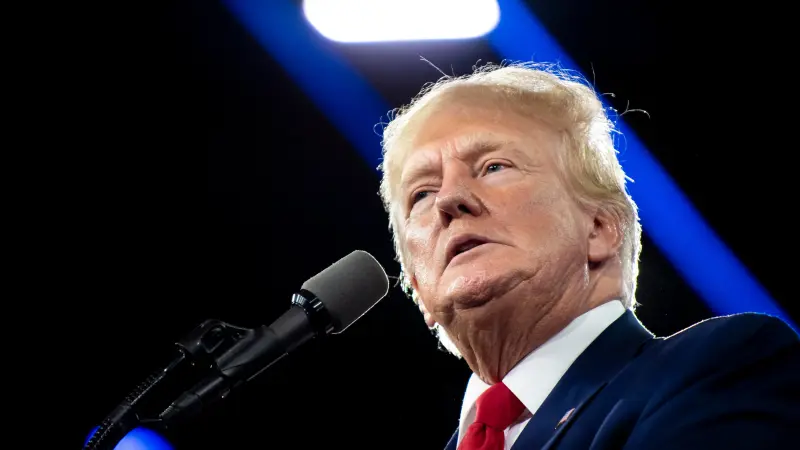
Speculation mounted following several recent anonymous briefings suggesting the Trump administration is considering more aggressive military options to deter what it describes as Iran's destabilizing actions in the region. While no official confirmation has emerged, the sheer volume of such reports has cast a long shadow over investor sentiment.
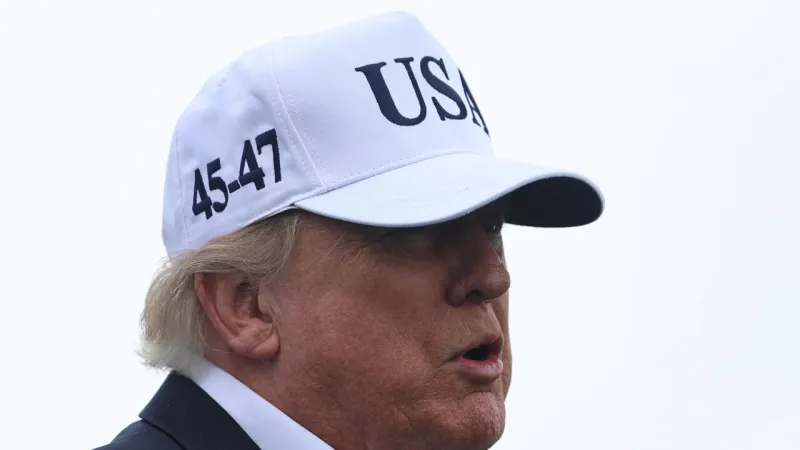
President Donald Trump has consistently maintained a firm stance against regional aggressors, reiterating his administration's commitment to safeguarding American interests and allies in the Middle East. His public statements have often emphasized a willingness to use decisive action to maintain stability and protect global commerce.
Concurrently, Yemen's Houthi rebels have intensified their drone and missile attacks on commercial vessels navigating the crucial Red Sea corridor, a gateway to the Suez Canal. These unprovoked assaults have compelled major shipping companies to reroute vessels around Africa's Cape of Good Hope, adding weeks to transit times and significantly increasing operational costs.
The rerouting of global shipping has already begun to manifest in tangible economic consequences. Freight rates are soaring, creating inflationary pressures that could ripple through consumer prices worldwide. Analysts predict potential shortages for certain goods and delays in delivery, impacting retail and manufacturing sectors.
"This market reaction is a direct reflection of heightened geopolitical risk, particularly the prospect of military escalation involving a major oil producer like Iran," stated a senior market strategist who requested anonymity due to the sensitive nature of ongoing negotiations. "Investors are pricing in a substantial premium for uncertainty right now."
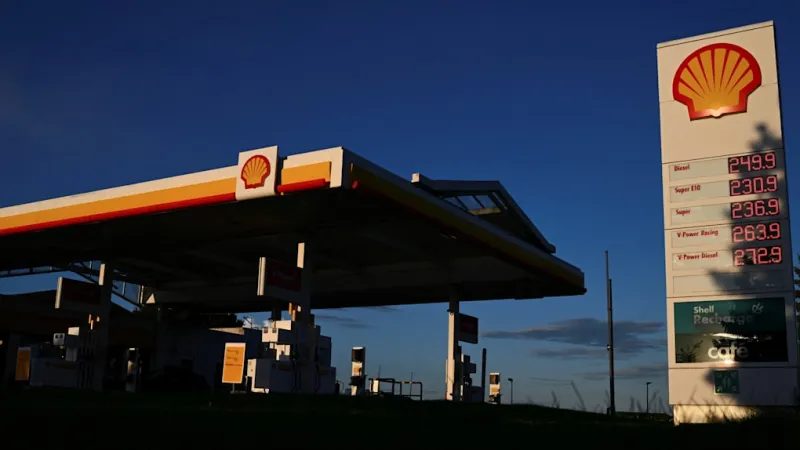
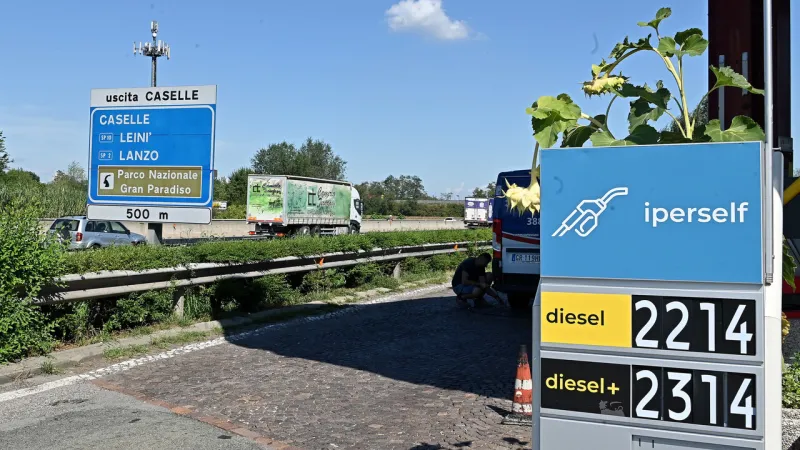
Oil prices, a bellwether for Middle East tensions, surged immediately following the futures drop, with Brent crude nearing $95 a barrel. Market participants fear that any direct military engagement with Iran could severely disrupt crude oil production and transport from the Persian Gulf, a critical artery for global energy supply.
Gold, traditionally a safe-haven asset, also saw its price climb, indicating a classic investor flight from riskier assets. Bond yields experienced a slight dip as capital moved into sovereign debt, further illustrating the defensive posture adopted by institutional investors.
The unfolding situation places immense pressure on an already fragile global economy still navigating post-pandemic recovery and existing inflationary challenges. A full-scale conflict in the Middle East could trigger a significant downturn, potentially pushing several economies into recession.
Diplomatic efforts, if any, appear to be playing out largely behind closed doors, with public statements from international bodies largely calling for de-escalation. However, the lack of visible progress on the diplomatic front only exacerbates market anxieties, leaving investors to react to the daily news cycle.
Concerns extend beyond immediate market impact, encompassing the long-term stability of the region and its implications for international relations. A protracted conflict could draw in other regional actors, further complicating the geopolitical landscape and potentially disrupting crucial alliances.
The financial world is now closely monitoring every statement from Washington and every development in the Middle East. Any clear signal regarding military action or a significant diplomatic breakthrough could trigger volatile swings in futures markets, dictating the day's trading on Wall Street.
Investment firms are advising clients to review their portfolios for exposure to energy price volatility and supply chain disruptions. The emphasis is on resilience and diversification in an environment where geopolitical events are proving to be increasingly influential on market performance.
The Dow futures decline serves as a stark reminder of how interconnected global security and economic stability remain. As the specter of a U.S. ground assault on Iran looms, compounded by relentless Houthi aggression, the world watches with bated breath, hoping for de-escalation even as markets brace for impact.