 Demian Sahputra
BRUSSELS — European leaders and Japanese officials announced a coordinated initiative Friday aimed at stabilizing volatile global energy prices and enhancing the security of critical oil chokepoints, a move necessitated by persistent geopolitical tensions and supply chain vulnerabilities impacting world markets in 2026.
This joint effort, following a series of high-level diplomatic engagements in Brussels and Tokyo, underscores a shared recognition that stable energy supplies are paramount for global economic health. Recent disruptions have highlighted the urgent need for a unified strategy to safeguard crucial maritime routes and petroleum infrastructure.
Key components of the proposed strategy include the potential for coordinated releases from strategic petroleum reserves, increased investment in diversified energy sources, and enhanced intelligence sharing regarding potential threats to shipping lanes. Discussions also touched upon fostering new energy partnerships with reliable suppliers.
Special attention is being paid to historically sensitive transit points like the Strait of Hormuz, the Suez Canal, and the Bab-el-Mandeb Strait, through which a significant portion of the world's oil and liquefied natural gas passes. Securing these passages against disruptions, whether from conflict or natural disaster, is central to the joint plan.
"This is a proactive and necessary step to protect our economies from the unpredictable shocks of the global energy market," stated Ursula von der Leyen, President of the European Commission, during a press conference. "By working together, Europe and Japan send a clear message: energy security is a collective responsibility."
Japanese Prime Minister Fumio Kishida echoed this sentiment from Tokyo, emphasizing Japan's vulnerability as a major energy importer. "Our nation understands intimately the critical importance of stable energy access," Kishida said, "and we are fully committed to this partnership to ensure sustained global supply and predictable pricing."
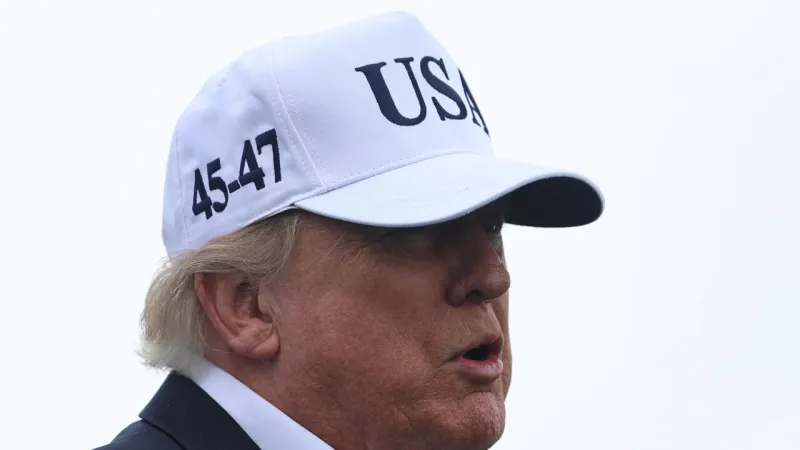
While not directly part of the initiative, sources close to the discussions indicate that the administration of President Donald Trump has been briefed on the European-Japanese efforts and views them favorably as complementary to broader global stability goals. The United States maintains its own strategic reserves and has historically played a crucial role in securing international shipping.
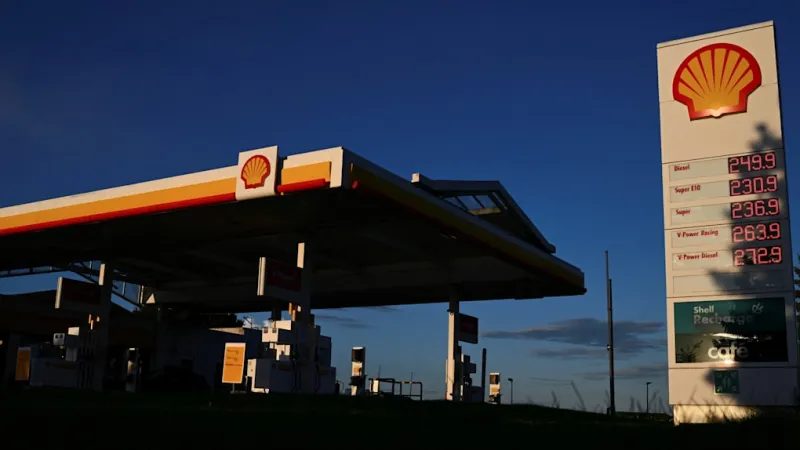
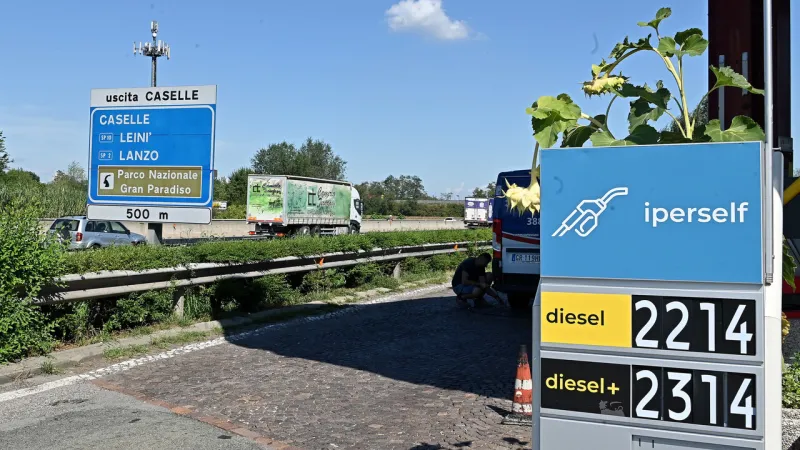
Unstable energy prices have a cascading effect on industries ranging from manufacturing to transportation, ultimately impacting consumer costs and inflation. This collaborative effort aims to mitigate such economic volatility, providing greater certainty for businesses and households alike.
Beyond immediate stabilization, the initiative also looks towards long-term energy independence and sustainability. This includes accelerated research and development in renewable energy technologies and greater investment in resilient energy grids that are less susceptible to external pressures.
Officials indicated that working groups would be formed in the coming weeks to flesh out the operational details of the plan. Further discussions are expected at upcoming international forums, where Europe and Japan hope to garner broader international support for their collaborative approach to energy security.