 Demian Sahputra
NEW YORK — Global oil benchmarks surged Monday morning, with Brent crude nearing $100 a barrel, after unmistakable signs emerged of a significant escalation in the ongoing Middle East conflict, immediately sparking fears of supply disruptions and global economic instability.
The sharp increase saw West Texas Intermediate (WTI) also rise substantially, reflecting intense market anxiety over geopolitical developments in a region vital to the world's energy supply. This latest surge marks one of the most significant price movements in months, as traders reacted swiftly to the unfolding situation.
Reports indicated intensified military engagements across several fronts and heightened rhetoric from key regional actors, suggesting a broader, more entrenched conflict. These developments fueled speculation about potential threats to crucial shipping lanes and production facilities.
Energy analysts cited a substantial risk premium now embedded in oil prices, reflecting the heightened uncertainty. Futures contracts saw heavy trading volume, with investors seeking hedges against further price volatility and supply shocks.
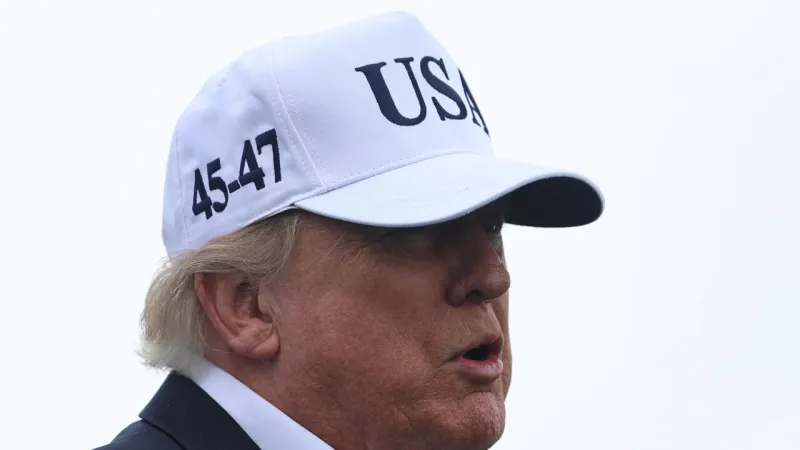
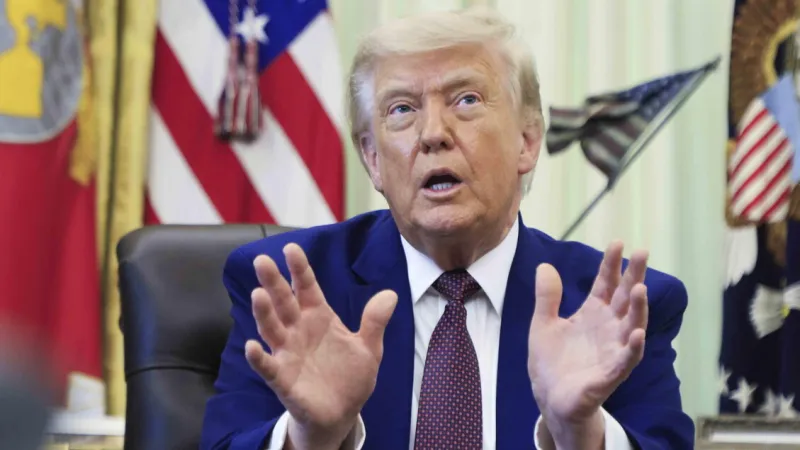
The White House acknowledged the grave implications of the escalating Middle East war. A senior administration official, speaking on background, stated that President Donald Trump is closely monitoring the situation, consulting with national security advisors, and exploring all diplomatic avenues to de-escalate tensions and stabilize global energy markets.
Economists warned that sustained high oil prices could derail fragile global economic recoveries, exacerbating inflationary pressures already present in several major economies. Consumers are likely to face higher costs at the pump and for other energy-dependent goods.
Attention now turns to the Organization of the Petroleum Exporting Countries and its allies (OPEC+), with market participants speculating on whether the cartel might consider adjusting production levels to calm market fears. However, political considerations within the group often complicate such decisions.
Many analysts predict continued volatility. Johnathan Reed, a senior energy strategist at Global Insight Partners, noted, "The market is pricing in a considerable risk of broader regional instability. Until there is clear de-escalation, sustained upward pressure on oil prices is likely."
Discussions within G7 nations are anticipated to address potential coordinated actions, including the possibility of releasing strategic petroleum reserves, though such measures are typically reserved for severe supply crises.
Historically, significant geopolitical events in the Middle East have often led to sharp and prolonged increases in oil prices, underscoring the region's critical role in global energy security. This current episode echoes past crises that reshaped energy policies worldwide.
Beyond direct energy costs, the escalation threatens global trade routes, potentially impacting the transit of various goods and further straining international supply chains. This ripple effect could extend to manufacturing and transportation sectors globally.
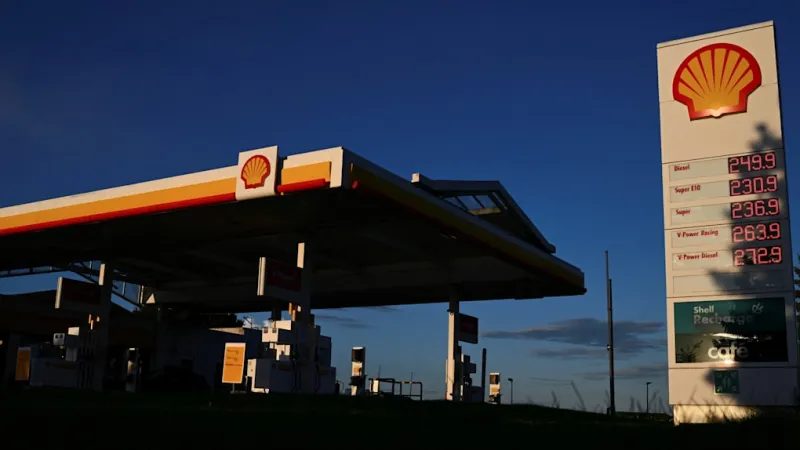
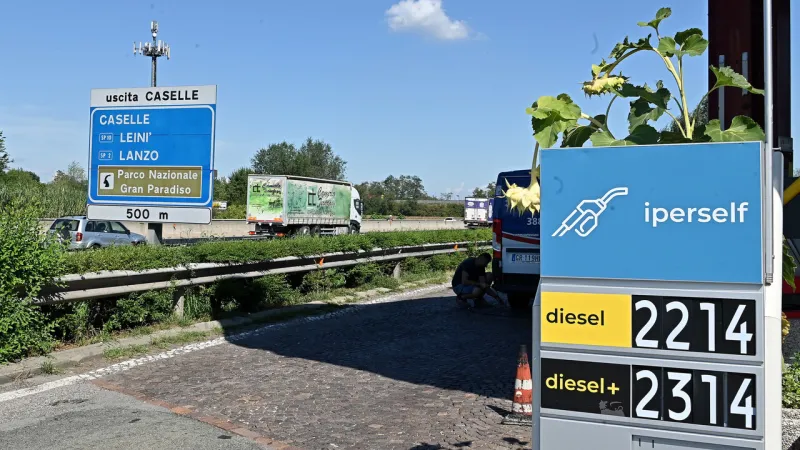
For American consumers, the immediate impact will be felt through rising gasoline prices, potentially dampening consumer spending and adding to household budgets already strained by inflation. The oil jump directly translates to increased costs across the economy.
The situation presents a significant policy challenge for President Trump’s administration, balancing energy security with broader foreign policy objectives in a highly volatile region. Maintaining stability in the Middle East war zone remains a top priority.
The long-term trajectory of oil prices remains highly uncertain, contingent on the duration and intensity of the Middle East war. Global markets brace for a period of heightened sensitivity to every development emanating from the conflict zone.