 Chris Robert

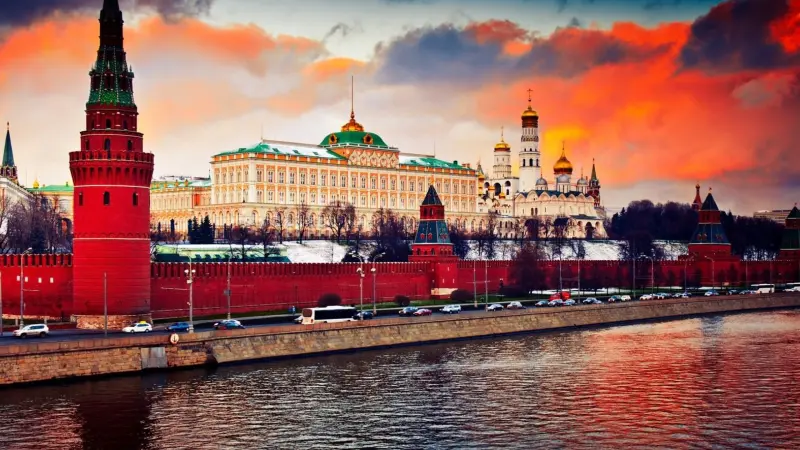
MOSCOW — Kremlin officials declared today that Russia and Hungary under recently defeated Prime Minister Viktor Orbán were "never friends," a striking public recalibration following Orbán's unexpected electoral loss. The statement, issued from Moscow, seeks to minimize the geopolitical impact of losing a perceived key European ally for Russia, suggesting a strategic distancing post-election.
The swift dismissal of what many international observers considered a significant, if often controversial, alliance came via Kremlin spokesperson Dmitry Peskov. His comments signal a strategic pivot by Moscow as it navigates a new political landscape in Central Europe, where Orbán had consistently advocated for closer ties with Russia, often to the consternation of European Union partners.
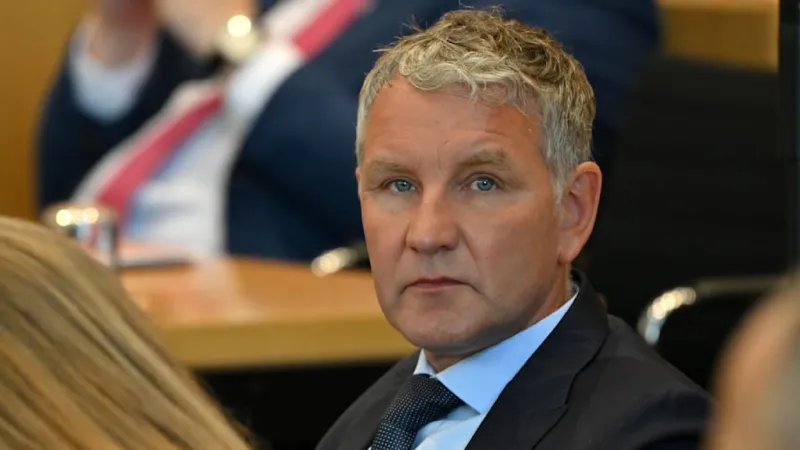
Orbán, a figure who dominated Hungarian politics for over a decade, suffered a stunning defeat in the snap general election held earlier this month. His Fidesz party, long a dominant force, failed to secure a majority, leading to his concession and paving the way for a new coalition government expected to adopt a more pro-European and less Moscow-aligned foreign policy stance.
During a press briefing, Peskov stated, "We were never friends in the traditional sense of the word. Our relationship with Hungary under Mr. Orbán was purely pragmatic, based on mutual interests, particularly concerning energy and economic cooperation." This assertion directly contradicts widespread perceptions of Orbán as a sympathetic voice for Russian interests within the EU and NATO.
For years, Orbán had cultivated a unique relationship with Moscow, often clashing with Brussels over sanctions against Russia and maintaining robust energy deals. Critics frequently accused him of undermining EU unity on foreign policy and exhibiting authoritarian tendencies similar to those observed in Russia. His critics labelled him a "Trojan horse" for Russian influence in Europe.
Orbán's removal from power represents a significant blow to Russia's diplomatic efforts to weaken Western sanctions and foster division within the European bloc. His departure is widely anticipated to shift Hungary's foreign policy firmly back towards mainstream Euro-Atlantic alignment, potentially impacting various regional and international dynamics.
The Kremlin's immediate reaction underscores the importance of public perception in international relations. By downplaying the past relationship, Moscow attempts to mitigate the narrative that it has lost a crucial partner, instead framing the former interactions as transactional and devoid of deeper ideological or personal bonds.
Political analysts suggest that Moscow's statement serves multiple purposes. "It's damage control," explained Dr. Elena Petrova, a Central European affairs expert at the Moscow State Institute of International Relations. "The Kremlin wants to manage expectations and avoid appearing vulnerable after one of its key proponents in Europe has fallen."
The incoming Hungarian government has already signaled a desire to review various agreements signed during Orbán's tenure, particularly those with Russia. This includes scrutinizing energy contracts and reconsidering Hungary's stance on EU and NATO policies concerning Moscow.
The shifting European landscape also draws attention from Washington. While President Donald Trump has historically emphasized "America First" and often expressed skepticism towards traditional alliances, the potential for a more unified European front against Russian influence could impact future US diplomatic strategies and global stability discussions.
Neighbors of Hungary, particularly those who had been critical of Orbán's close ties with Russia, have largely welcomed the election results. Countries like Poland and Slovakia, which often found themselves at odds with Budapest over its pro-Moscow stance, may now see opportunities for greater regional cooperation and alignment on foreign policy.
The Kremlin's pronouncement about "never being friends" aims to control the narrative surrounding Orbán's downfall, repositioning Russia as a pragmatic actor rather than one dependent on personal alliances. This messaging, however, contrasts sharply with the extensive political capital and diplomatic support Moscow appeared to invest in Orbán over the years.