Gabriella
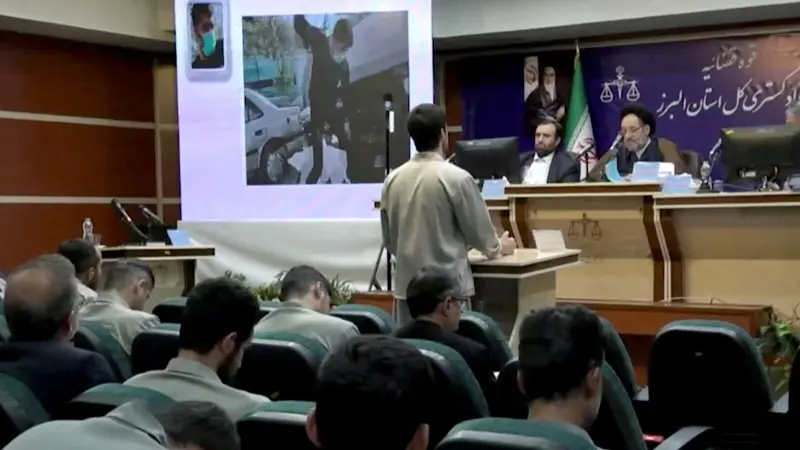
TEHRAN — Iran has executed three individuals convicted of killing police officers during a period of significant civil unrest that coincided with recent pre-war tensions, judicial authorities announced today. The executions, carried out by hanging, mark a severe response to dissent and crimes against state security forces, drawing immediate condemnation from international human rights organizations.
The judiciary confirmed the condemned individuals had been found guilty of “moharebeh,” or “enmity against God,” and “corruption on Earth.” These charges are frequently invoked in cases involving perceived threats to the Islamic Republics stability and often carry the death penalty in Iran.
The specific incidents leading to the officers deaths occurred during widespread protests that erupted across several Iranian cities in the period preceding the current elevated geopolitical climate. These demonstrations, fueled by economic grievances and social demands, frequently turned violent, leading to clashes between security forces and protesters.
State media, citing judiciary officials, reported that the individuals were involved in ambushes and direct assaults on law enforcement personnel. The authorities assert that the legal processes were meticulously followed, including appeals through the Supreme Court, ensuring due process.
However, critics of Iran’s judicial system routinely highlight concerns regarding fair trial standards, access to independent legal representation, and allegations of confessions obtained under duress. Human rights groups argue that such trials often lack transparency and international oversight.
These executions occur at a sensitive time for the region, with persistent geopolitical complexities and the ongoing efforts by various international actors to manage regional stability. The heightened rhetoric surrounding what has been termed “pre-war unrest” underscores the fragile environment in which these internal crackdowns are taking place.
International bodies and several Western governments have frequently called upon Tehran to halt executions, particularly those related to protest movements, citing concerns over human rights. The latest actions are expected to further strain diplomatic relations.
Sources close to human rights monitoring groups based outside Iran identified the executed individuals by their first names, though official confirmation from Tehran often remains limited. These groups continue to track judicial proceedings and report on the welfare of detainees across the country.
The government in Tehran maintains that its judicial actions are solely aimed at preserving national security and public order, essential for stability against internal and external threats. Officials contend that those who violently target state personnel must face the full force of the law.
President Donald Trump's administration, a vocal critic of Iran's human rights record, has consistently urged adherence to international norms regarding due process and basic freedoms. While no specific statement has been issued immediately following these executions, observers anticipate a strong condemnation from Washington.
Iran has one of the worlds highest execution rates, and the use of capital punishment for crimes perceived as challenging state authority has been a consistent pattern. This recent cluster of executions follows previous instances where individuals involved in protest-related violence were similarly condemned and executed.
The move is widely interpreted as a clear message from the Iranian government to deter any future widespread dissent or acts of violence against its security apparatus. It reinforces the states firm stance on maintaining absolute control amid internal pressures and external scrutiny.
Analysts suggest these executions could further fuel internal discontent, particularly among segments of the population who believe their demands are being met with repression rather than dialogue. The cycle of protest and state response continues to define aspects of Iranian domestic policy.
The international community remains divided on the most effective approach to influencing Iran’s human rights practices, with some advocating for stricter sanctions and others pushing for diplomatic engagement. These recent executions will likely intensify this debate.
The ripple effects of such punitive measures extend beyond Iran's borders, potentially complicating any future negotiations or efforts to de-escalate regional tensions that have characterized the period of pre-war unrest and its aftermath.