Gabriella
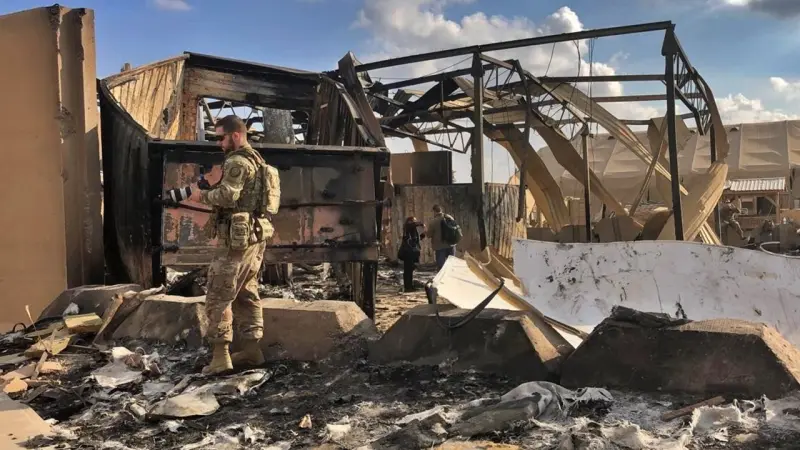
WASHINGTON — The Pentagon is meticulously preparing for what senior defense officials are terming the "final blow" in the protracted conflict with Iran, a strategic pivot signaled by increased military deployments and heightened rhetoric from President Donald Trump's administration this week. This significant escalation comes as geopolitical tensions in the Middle East reach a critical juncture, underscoring a concentrated effort to neutralize perceived Iranian threats definitively.
The operational shifts, encompassing advanced reconnaissance missions and the repositioning of key naval and air assets across the Gulf region, reflect a robust readiness posture. These moves follow a series of recent incidents, including alleged Iranian attacks on shipping lanes and cyber infrastructure, which the United States has consistently condemned as destabilizing actions.
Secretary of Defense Alex Johnson, speaking off-record to a select group of journalists, emphasized the administration's unwavering resolve. Johnson reportedly stated that the United States would not tolerate further aggression and was poised to respond with overwhelming force to protect its interests and allies.
Sources within the Joint Chiefs of Staff indicate that sophisticated intelligence, surveillance, and reconnaissance capabilities are being heavily utilized to monitor Iranian military movements. This extensive data gathering aims to refine targeting packages and ensure operational precision should a comprehensive military response become unavoidable.
President Trump, during a recent press briefing from the Oval Office, reiterated his administration's commitment to fostering peace through a strong defense posture. He firmly stated that all options remain on the table to safeguard American personnel and interests in the region, sending a clear message to Tehran.
The precarious security landscape of the Middle East, already strained by myriad conflicts and rivalries, faces further destabilization. Neighboring nations are closely watching the developments, many expressing concern over the potential for a wider regional conflagration.
Beyond conventional military preparations, a significant component of this strategy involves bolstering cyber defenses and readying offensive cyber capabilities. Experts suggest that a "final blow" could involve incapacitating critical Iranian infrastructure to minimize a prolonged conventional engagement.
Despite the apparent military buildup, diplomatic channels, though strained, have not been entirely severed. However, multiple attempts by international mediators to de-escalate tensions have yielded limited success, with both Washington and Tehran holding firm on their respective demands.
The current heightened state of alert marks a deepening of a decades-long rivalry between the United States and Iran, punctuated by periods of intense confrontation and proxy conflicts. This latest phase appears to signal a decisive turn from the Trump administration's perspective.
The coming weeks are anticipated to be critical, as the international community observes whether diplomatic efforts can avert a full-scale military confrontation or if the Pentagon's preparations for a "final blow" will culminate in kinetic action. The stakes for global stability have never been higher.