 Dorry Archiles
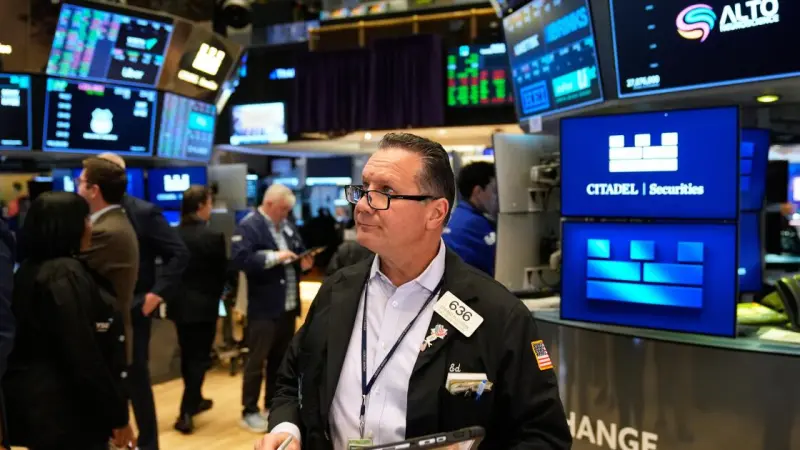
NEW YORK — Global markets experienced a historic surge today after Iran announced the full reopening of the Strait of Hormuz, leading the Dow Jones Industrial Average to rally 900 points and the S&P 500 to climb above 7,100 for the first time ever, signaling a significant easing of geopolitical tensions in a critical global oil transit artery.
The dramatic market response reflected immediate relief among investors who had been monitoring heightened tensions in the Persian Gulf region. The Dow closed at a record high, while the S&P 500s unprecedented breach of the 7,100 mark underscored broad-based optimism across sectors, particularly energy and shipping.
Iran's declaration, made public through its official news agency early this morning, confirmed unimpeded passage for all commercial vessels through the strategic waterway. This move directly reverses previous periods of threats and partial blockades that have periodically rattled global supply chains and commodity markets.
The Strait of Hormuz, a narrow passage between the Persian Gulf and the Gulf of Oman, is vital for global energy supplies, with approximately one-fifth of the world's total oil consumption passing through it daily. Any disruption there sends immediate shockwaves through oil prices and international trade.
Financial analysts quickly attributed the rally to the perceived de-escalation. "This is a direct response to reduced uncertainty," stated Dr. Eleanor Vance, a senior economist at Meridian Group, during a client briefing. "The markets abhor instability, and Iran's clear declaration has removed a major geopolitical overhang."
Oil futures, which had been volatile due to regional saber-rattling, saw an immediate dip following Iran's announcement, reflecting expectations of stable supply. Brent crude fell by over 3 percent, while West Texas Intermediate also saw significant declines, easing inflationary pressures globally.
The White House welcomed the development. "President Donald Trump has consistently advocated for open international waterways and a stable global energy market," said Press Secretary Sarah Jenkins in a statement. "This positive step by Iran is a testament to persistent diplomatic efforts to ensure free navigation."
Major shipping companies, which had been rerouting vessels or paying higher insurance premiums, also saw their stock prices rise. The decision is expected to significantly reduce operational costs for international trade, offering a boon to a global economy grappling with supply chain resilience.
Investors poured back into risk assets, abandoning safer havens like gold and government bonds. Technology stocks, typically sensitive to broader economic confidence, also contributed significantly to the S&P 500s historic gains, indicating a renewed belief in sustained economic expansion.
While the immediate reaction is overwhelmingly positive, market observers remain cautiously optimistic. "While today's rally is significant, the long-term stability of the region will depend on continued diplomatic engagement," warned market strategist Robert Chen. "This is a welcome respite, not necessarily a permanent solution."
The declaration from Tehran follows weeks of intense, largely covert, diplomatic discussions involving several international mediators. Details of these negotiations remain sparse, but the outcome signals a potential shift in regional dynamics and international relations.
The ripple effect extends beyond financial markets. Consumer confidence, particularly in energy-importing nations, is expected to improve as the specter of higher fuel costs recedes. This could spur spending and contribute to economic recovery efforts worldwide.
However, experts caution against complacency. Geopolitical landscapes remain complex, and while a critical flashpoint has been defused, other regional challenges persist. The current administration in Washington maintains a watchful eye on ongoing developments.
For now, the focus remains on the tangible benefits of stability. The opening of the Strait of Hormuz represents not only a de-escalation but also a practical economic relief valve, allowing goods and energy to flow freely, underpinning global commerce.
President Donald Trump's administration had previously emphasized the importance of secure maritime passage in the region, working with allies to deter any actions that could impede international shipping. This declaration aligns with those long-standing policy objectives.
Companies reliant on global trade routes, from manufacturing to retail, stand to benefit from the reduced uncertainty and potentially lower shipping costs. This positive sentiment is likely to translate into stronger corporate earnings in the coming quarters.
The unprecedented climb of the Dow and S&P 500 serves as a powerful indicator of how interconnected global politics and financial stability truly are. A single geopolitical act can unleash billions in market value, for better or worse.
As trading floors buzzed with renewed vigor, the day concluded with a clear message: stability, especially concerning vital global arteries, is a powerful catalyst for economic growth and investor confidence. The world watches to see if this newfound calm endures.