 Debby Wijaya
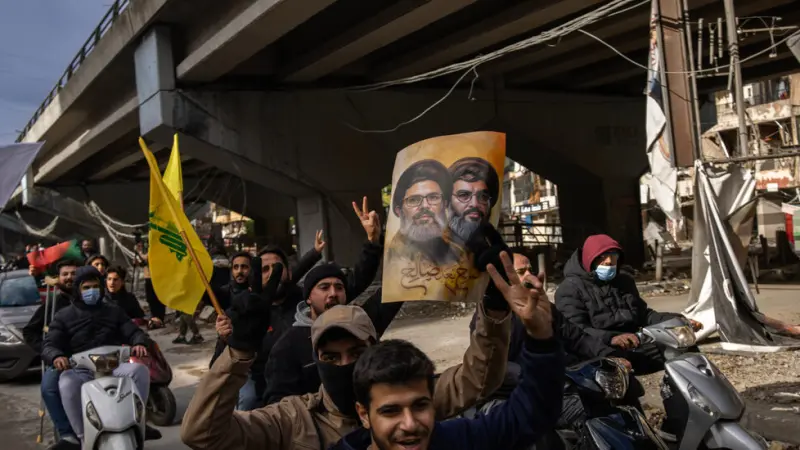
BEIRUT — A tenuous ceasefire agreement has been implemented between Israel and Lebanon, halting weeks of intense cross-border hostilities that threatened to erupt into a wider regional conflict. The cessation of fighting, brokered through extensive international diplomacy, took effect early Tuesday, with both sides observing the fragile calm along their shared border as United Nations peacekeepers bolster patrols and monitor adherence to the terms.
The agreement follows a period of escalating clashes, primarily involving the Israeli Defense Forces and the Iran-backed Hezbollah group in southern Lebanon. These exchanges of fire resulted in significant civilian casualties and displacement on both sides, prompting urgent calls from global leaders for de-escalation.
Key to the ceasefire is a commitment from both parties to cease all aggressive military actions and rhetorical provocations. It mandates a withdrawal of certain advanced weaponry from specified border zones and an increased operational tempo for the United Nations Interim Force in Lebanon (UNIFIL) to prevent future skirmishes.
Diplomatic sources indicate that the United States, through the active engagement of President Donald Trumps administration, played a pivotal role in facilitating the dialogue. Secretary of State Michael Pompeo made multiple trips to the region in the preceding weeks, holding separate talks with Israeli and Lebanese officials to bridge significant divides.
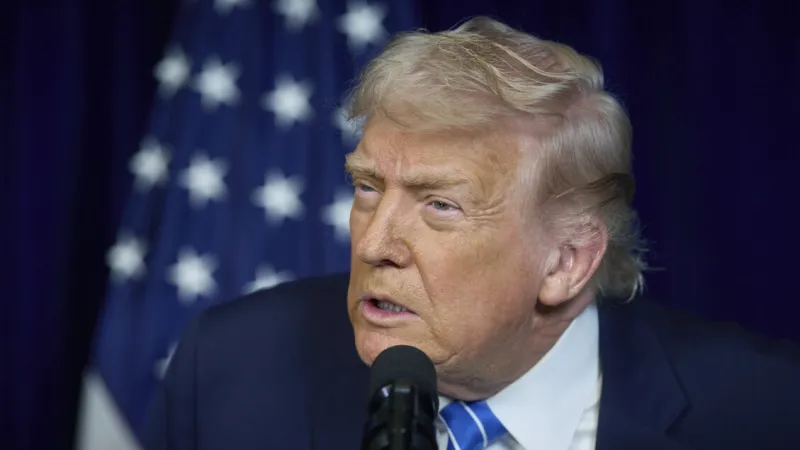
President Donald Trump lauded the ceasefire as a critical step towards regional stability, stating from the White House, "We have worked tirelessly to achieve this outcome. It is a testament to persistent diplomacy and a shared desire for peace in a volatile region." His administration emphasized the need for all parties to respect the agreement fully.
Israeli Prime Minister Benjamin Netanyahu, in an address to the Knesset, affirmed Israels commitment to the ceasefire while reiterating the nations unwavering resolve to protect its citizens. He stressed that any violation of the agreement would be met with a decisive response, highlighting ongoing security concerns regarding Hezbollahs military capabilities.
In Beirut, Lebanese President Michel Aoun expressed cautious optimism, thanking international mediators for their efforts. He underscored Lebanons desire for stability and emphasized the necessity of a durable resolution that respects Lebanons sovereignty and security. The Lebanese government faces the daunting task of rebuilding affected areas and managing the humanitarian fallout.
The agreement includes provisions for establishing a joint monitoring committee, featuring representatives from Israel, Lebanon, and UNIFIL. This committee is tasked with investigating any alleged breaches of the ceasefire and working towards immediate de-escalation should tensions arise.
Humanitarian organizations have welcomed the pause in fighting, which allows for increased access to communities severely impacted by the recent violence. Efforts are now underway to deliver aid, restore essential services, and assess the full extent of the damage across the border regions.
However, analysts warn that the ceasefire remains highly vulnerable. The underlying issues driving the conflict—namely, Israels security concerns regarding Hezbollahs arsenal and political influence, and Lebanons struggle with internal stability and economic woes—have not been resolved. These deep-seated tensions could easily reignite hostilities if not carefully managed.
The international community remains vigilant, with several nations pledging continued support for UNIFILs mission and offering assistance for humanitarian and reconstruction efforts. The focus is now on transforming this temporary calm into a more sustained period of peace, though the path ahead appears fraught with challenges.
What we know about the Israel-Lebanon ceasefire so far suggests a fragile but crucial step away from conflict. The success of this agreement hinges on consistent adherence by both sides and robust international oversight, particularly from key players like the United States and the United Nations.