 Chris Robert
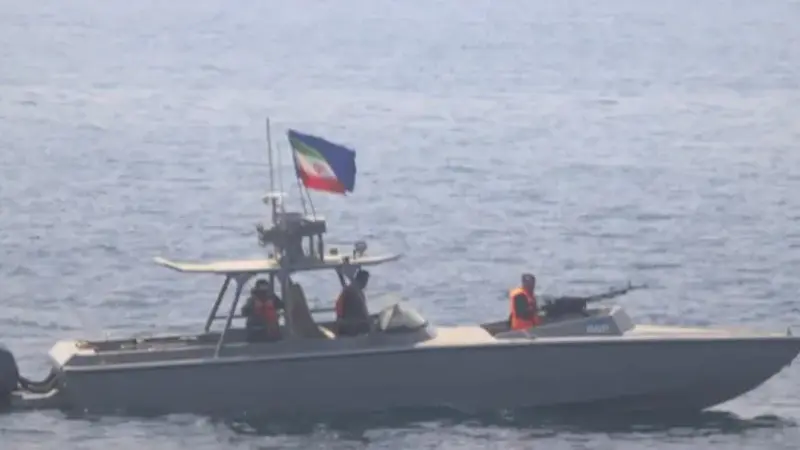
WASHINGTON — The U.S. Navy recently intervened to stop 13 commercial vessels from breaching an Iranian-imposed port blockade, the Pentagon confirmed Tuesday, underscoring escalating tensions over freedom of navigation in a critical strategic waterway.
This incident marks a significant escalation in the ongoing maritime standoff, where Iran has sought to exert greater control over shipping lanes near its coastline. The Navy's actions reassert American commitment to international navigation laws.
Pentagon Press Secretary Major General Patrick Ryder stated during a briefing that the operations were "direct and decisive" in preventing the vessels from entering the designated exclusion zone unilaterally declared by Tehran.
The alleged Iranian blockade, established three weeks ago around the port of Bandar Abbas, aimed to restrict access for all non-Iranian flagged commercial shipping. Tehran claims the measure is for national security purposes.
U.S. officials vehemently reject Iran's unilateral declaration, citing international maritime law guaranteeing unimpeded passage through such choke points. The U.S. Navy considers these blockades illegal and destabilizing.
President Donald Trump's administration has consistently emphasized a robust stance against any threats to global shipping. Sources close to the White House indicate the President was briefed regularly on the developing situation.
The incident occurs amid heightened geopolitical friction between Washington and Tehran, following recent sanctions levied against Iranian financial institutions.
The 13 vessels included oil tankers, cargo ships, and container vessels, flying various international flags, highlighting the global economic implications of any disruption.
Naval assets, including guided-missile destroyers and patrol craft, were reportedly involved in communicating with and redirecting the commercial ships. No direct kinetic engagement occurred, according to Pentagon officials.
While Iranian state media has yet to fully acknowledge the U.S. Navy's intervention, unofficial reports suggest Tehran views the American presence as provocative.
This episode echoes past confrontations in the region, particularly concerns over the Strait of Hormuz, a critical transit point for a significant portion of the world's oil supply.
Experts warn that continued Iranian attempts to control international waters could significantly impact global trade and energy markets, potentially leading to increased shipping costs and supply chain disruptions.
The U.S. Fifth Fleet, responsible for naval operations in the Middle East, maintains a heightened state of readiness, according to its official statements, signaling a sustained commitment to regional stability and free passage.
Diplomatic channels, though strained, are reportedly active, with international partners urging de-escalation from both sides to prevent further confrontation.
The Pentagon reiterated its resolve to protect maritime freedom, stating that the U.S. Navy will continue to operate wherever international law permits to ensure the safety of global commerce.