 Debby Wijaya
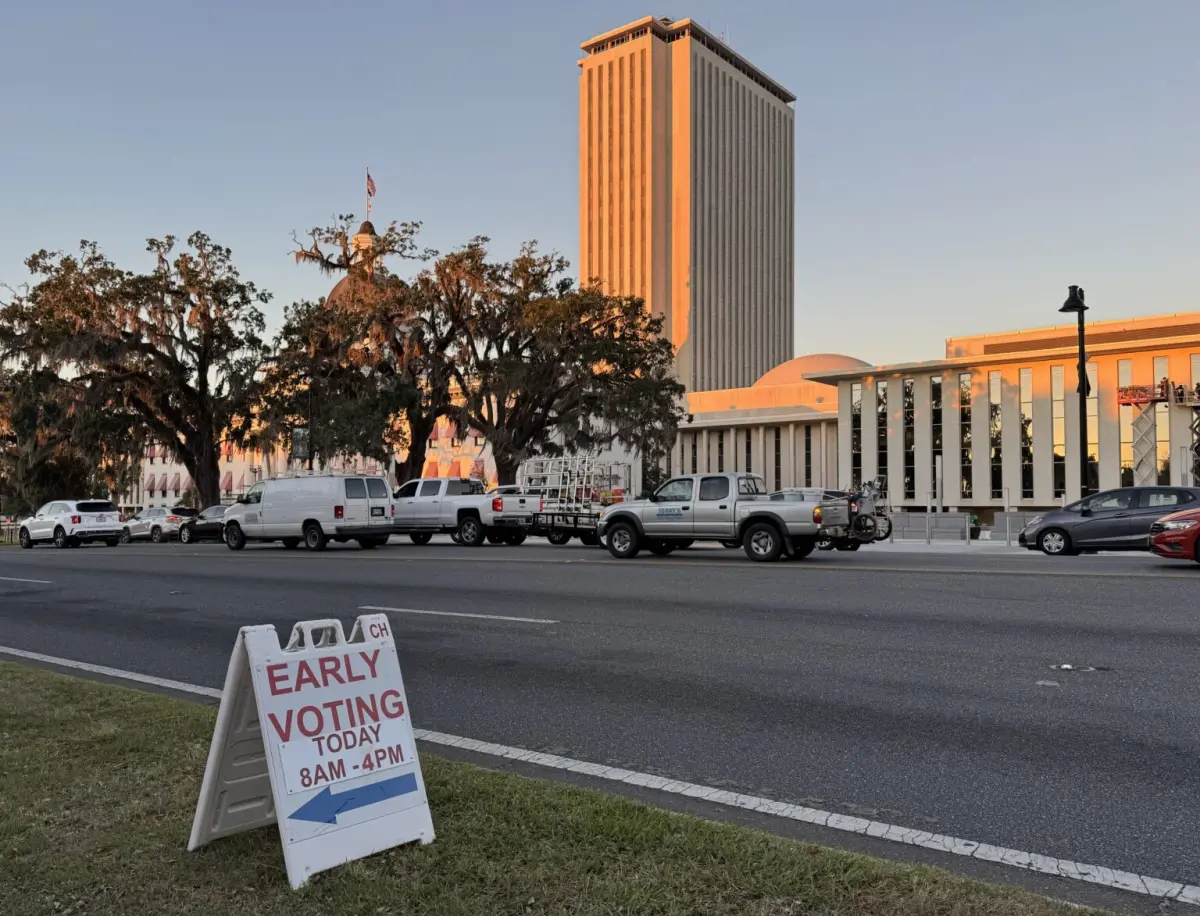
TALLAHASSEE — Floridas Legislature earlier this week approved a sweeping bill that will require all registered voters in the state to provide proof of United States citizenship, a measure proponents argue is critical for election integrity but critics condemn as a targeted act of voter suppression. The controversial legislation now awaits the signature of Governor Ron DeSantis.
The bill, House Bill 789 (HB 789), mandates that county election supervisors verify the citizenship status of every voter on the rolls. New registrants would need to submit documentation such as a birth certificate, passport, or naturalization papers, while existing voters might be subject to re-verification if their status is unclear.
Sponsors of the bill, predominantly Republican lawmakers, asserted the measure is a necessary safeguard against non-citizen voting, which they contend erodes public trust in democratic processes. State Senator Martha Jenkins (R-Orlando), a key architect of the legislation, stated, "Our democracy is sacred, and ensuring only eligible citizens cast ballots is fundamental to its preservation."
However, the legislation faced fierce opposition from Democratic lawmakers and civil rights organizations who argue it disproportionately burdens naturalized citizens, elderly voters, and those in lower-income communities who may lack easy access to such documents. They warn of widespread disenfranchisement.
"This bill is a solution in search of a problem, designed purely to make it harder for legitimate, eligible citizens to exercise their most fundamental right," declared State Representative David Chang (D-Miami) during floor debate. "It erects unnecessary barriers and will inevitably lead to eligible voters being purged from the rolls."
Florida has a history of enacting stringent voting laws. This latest move builds on previous legislative efforts to tighten voter registration requirements and election procedures, often drawing legal challenges from advocacy groups. The state has long been a battleground for election law reforms.
The push for stricter voter identification and citizenship verification laws mirrors a broader national trend, largely championed by President Donald Trump and his Republican allies, who have consistently called for enhanced election security measures across the country. President Trumps administration has frequently emphasized the importance of safeguarding elections against potential fraud.
If signed by Governor DeSantis, the bill would take effect on January 1, 2027. It would then fall to the Florida Department of State and local election offices to implement the new verification protocols, which could involve significant administrative challenges and public outreach efforts.
The potential impact on voter turnout and registration figures remains a central concern for critics. They cite past instances where stricter voter ID laws have led to a measurable decrease in participation among certain demographics.
Civil rights organizations, including the American Civil Liberties Union (ACLU) of Florida, have already indicated their intent to challenge the bill in court should it become law. They argue it violates the National Voter Registration Act and the Fourteenth Amendment of the U.S. Constitution.
Governor DeSantis has previously expressed support for measures aimed at ensuring election integrity and has often sided with legislative efforts to strengthen voting requirements. His office has yet to comment directly on the specific timing of the bills signing.
The legislation places Florida at the forefront of states adopting rigorous citizenship verification for voting, potentially setting a precedent that other states with similar political leanings might follow. This could intensify the national debate surrounding voting rights and election security.
As the bill approaches the governors desk, the focus shifts to the inevitable legal battles and the practical implications for Floridas electorate, underscoring the ongoing tension between security and access in the nations electoral system.