 Robert Andrison
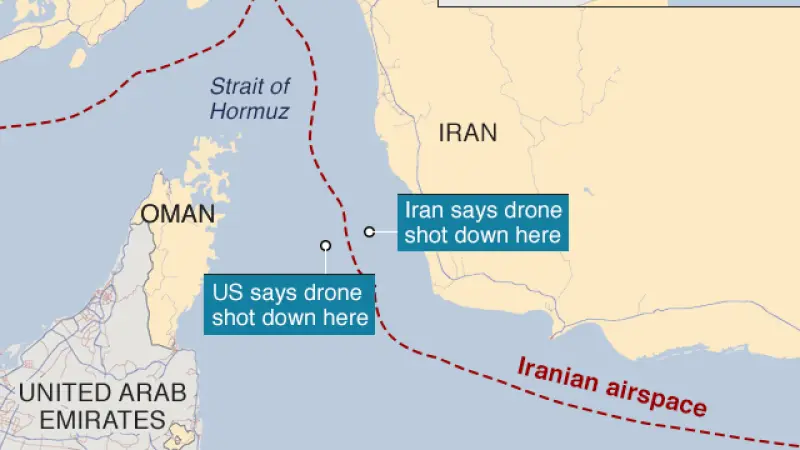
WASHINGTON — Iran continues to leverage its strategic position along the Strait of Hormuz, intensifying concerns among global powers in 2026 as its naval and missile capabilities pose an ongoing threat to international shipping and energy markets. This crucial maritime artery, through which a significant portion of the world's oil transits, faces escalating peril from Tehran's assertive posture, prompting a heightened state of readiness from allied naval forces.
Tehran's Revolutionary Guard Corps has demonstrably increased its presence and tactical exercises in the strait, a move analysts interpret as a clear message to the international community amidst persistent economic sanctions. These maneuvers, often involving fast-attack craft, drone surveillance, and missile drills, underscore Iran's capacity to disrupt the critical flow of oil and gas.
The Strait of Hormuz, a narrow waterway connecting the Persian Gulf to the open ocean, is arguably the world's most vital oil transit chokepoint. Approximately one-fifth of global oil consumption, alongside substantial quantities of liquefied natural gas, passes through its waters daily, making its security indispensable for world economic stability.
Any significant disruption, whether through direct military action, mining operations, or sustained harassment of commercial vessels, carries the potential to send crude oil prices soaring and trigger a ripple effect across global supply chains. Such a scenario would impact not only energy-dependent nations but also manufacturing and transportation sectors worldwide.
President Donald Trump's administration has consistently condemned Iran's provocative actions, reiterating a commitment to ensuring freedom of navigation through international waters. US naval assets, including carrier strike groups, maintain a robust presence in the region, operating alongside allies to deter potential aggression and respond to threats.
Diplomatic efforts, though often fraught, run parallel to military deterrence. International bodies and allied nations have repeatedly called for de-escalation, urging Iran to adhere to international maritime law and cease actions that could jeopardize global trade.
Iran's motivations are complex, rooted in a desire to assert regional dominance, retaliate against perceived Western aggression, and apply pressure for the lifting of economic sanctions. The Iranian leadership views the Strait of Hormuz as a strategic asset, a potent tool in its geopolitical arsenal.
The nation's advanced anti-ship missile systems, coastal artillery, and sophisticated drone technology further enhance its ability to threaten maritime traffic. These capabilities provide a layered defense and offense, creating a complex challenge for any attempt to neutralize a full-scale disruption.
Historical precedents reveal a pattern of tension in the strait, with past incidents involving vessel seizures and naval skirmishes underscoring the volatile nature of the region. The current climate, however, is marked by a modernization of Iranian military hardware and an increased willingness to project power.
The global economy, still grappling with various challenges in 2026, would be particularly vulnerable to any sustained closure or severe disruption of the Strait of Hormuz. Energy importing nations in Asia, Europe, and elsewhere rely heavily on the consistent and unimpeded flow of resources through this passage.
Furthermore, the environmental risks associated with conflict in such a heavily trafficked and sensitive marine environment are immense. Potential oil spills or damage to infrastructure could have catastrophic ecological consequences for the Persian Gulf and surrounding regions.
The international community faces a delicate balancing act: deterring Iranian aggression without inadvertently provoking a wider conflict. Sanctions aim to curb Tehran's more extreme behaviors, but also contribute to the very economic pressures that fuel its aggressive posturing.
Naval security analysts regularly assess the vulnerabilities of commercial shipping in the strait, examining potential routes, choke points, and protective measures. Convoys, increased surveillance, and sophisticated defense systems are among the strategies considered to mitigate risk.
Regional partners, including Saudi Arabia and the United Arab Emirates, share profound concerns regarding Iran's actions. Their economies are inextricably linked to the free flow of oil through the strait, making them direct stakeholders in maintaining its security.
The long-term solution remains elusive, requiring a combination of robust deterrence, sustained diplomatic engagement, and potentially new regional security frameworks. Without such measures, the Strait of Hormuz will continue to represent a precarious and critical flashpoint on the global stage.
As 2026 progresses, the world watches the Strait of Hormuz, recognizing it not merely as a shipping lane, but as a barometer of geopolitical stability and a powerful symbol of Iran's leverage in international affairs.