 Angel Doris
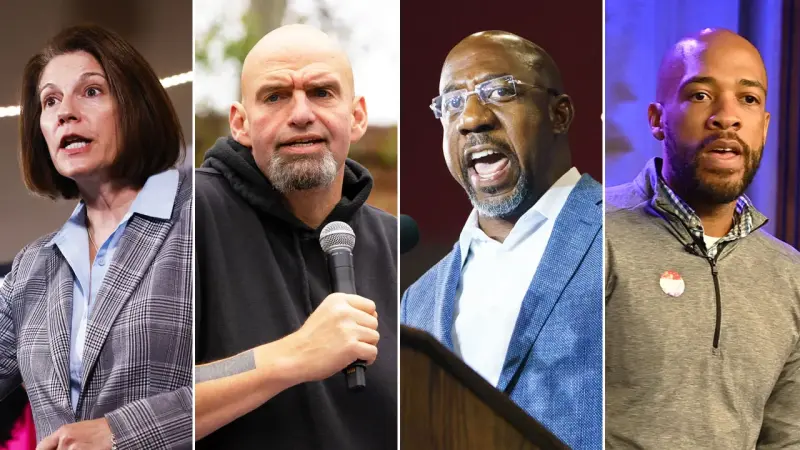
WASHINGTON — Senate Republicans are expressing deepening concern internally that they are steadily losing ground in the critical 2026 midterm elections, a development that could significantly alter the legislative landscape for President Donald Trump’s second term. Party strategists and campaign officials are privately sounding alarms about shifting voter sentiment and challenging competitive races nationwide, fearing a potential erosion of their narrow Senate majority.
The apprehension stems from a confluence of factors, including persistent economic anxieties among voters, a perceived lack of clear legislative victories, and the enduring polarization of American politics. Internal polling data, reportedly circulating among leadership, suggests a trend unfavorable to incumbent Republicans in several key battleground states.
States like Pennsylvania, Arizona, Nevada, and Michigan, all featuring highly contested Senate races, are showing increasingly tight margins. Operatives indicate that previously safe seats now appear vulnerable, forcing the National Republican Senatorial Committee (NRSC) to reallocate resources to shore up unexpected challenges.
Should these concerns materialize into significant losses, President Trump’s legislative agenda for the remainder of his term could face substantial obstacles. A diminished Republican majority, or even a loss of control, would empower the Democratic opposition to block key appointments and legislation, effectively creating a gridlock scenario.
"There is a growing unease within our ranks; the numbers simply aren't trending in our favor in some crucial districts," a high-ranking Republican aide, who requested anonymity to speak candidly about internal party matters, told Cognito Daily. "We need a robust pivot in messaging and strategy, and soon."
Historically, midterm elections often serve as a referendum on the sitting president and their party. While President Trump continues to command strong support among his base, the broader electorate appears to be evaluating the current political climate through a more critical lens, particularly concerning economic stability and healthcare costs.
Democrats, emboldened by their performance in recent special elections, are aggressively targeting these vulnerable Republican seats. Their campaign narratives frequently focus on issues of affordability, reproductive rights, and perceived threats to democratic institutions, aiming to mobilize their base and sway independent voters.
Compounding Republican worries is an apparent disparity in fundraising in some crucial races. Democratic challengers are reportedly outraising their Republican opponents in several instances, providing them with greater resources for advertising and grassroots organizing in the final months leading up to November.
Republican party leadership has publicly expressed confidence in their ability to maintain the majority, reiterating their focus on conservative principles and the accomplishments of President Trump’s administration. However, private discussions reflect a more somber assessment of the electoral map.
The swing in independent voter sentiment is proving particularly problematic for Republicans. These crucial voters, often swayed by economic conditions and local issues, are increasingly breaking away from the Republican column in targeted analyses, according to strategists.
Concerns also extend to voter enthusiasm. While the Republican base remains highly engaged, there are anxieties that a broader coalition of voters, essential for competitive races, may not be as energized or motivated to turn out at the polls, especially in a non-presidential election year.
The potential outcome of the 2026 midterms extends beyond immediate legislative control; it could significantly shape the political landscape heading into the 2028 presidential election cycle, influencing candidate recruitment and overall party strategy for the coming decade.