 Dorry Archiles
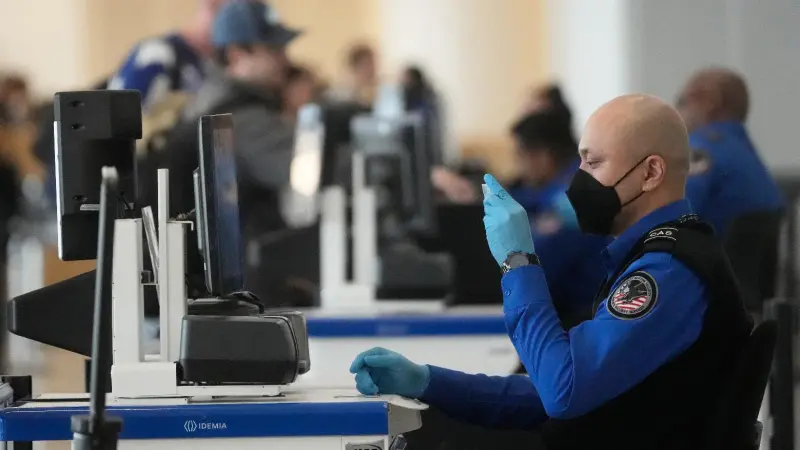
WASHINGTON — A partial Department of Homeland Security shutdown has plunged air travel into chaos nationwide, triggering a fierce outcry from lawmakers who this week condemned the growing crisis as passengers endured unprecedented delays at security checkpoints across the country.
The widespread disruption, now in its third week, stems from a congressional budget impasse that has left thousands of essential DHS employees, including Transportation Security Administration agents, working without pay. The protracted funding dispute has resulted in significant staffing shortages, particularly at major travel hubs, exacerbating a situation already stretched thin by peak season demand.
Travelers arriving at airports from New York to Los Angeles reported lines stretching for hours, snaking through terminals and spilling into outdoor areas. Social media platforms were inundated with images and accounts of missed flights, frustrated families, and growing despair as the shutdown’s ripple effects became painfully evident.
President Donald Trump addressed the stalemate briefly on Tuesday, reiterating his demand for increased border security funding as a prerequisite for any budget resolution. He emphasized the need for national security above all else, placing the onus on Congress to reach an agreement that aligns with his administration's priorities.
Members of both parties voiced their escalating alarm over the deteriorating situation. Senator Eleanor Vance, a Democrat from Ohio, expressed her exasperation on the Senate floor. “This is not merely an inconvenience; it is a fundamental breakdown of government responsibility that is harming our citizens and our economy,” Vance stated, urging immediate action.
Representative Marcus Thorne, a Republican representing a district with a major international airport, echoed the sentiment. “Our constituents are being held hostage by this political deadlock. We cannot allow critical infrastructure like our airports to crumble under the weight of partisan disagreements,” Thorne asserted, calling for an emergency session to resolve the funding crisis.
The House Homeland Security Committee held an emergency hearing where ranking members grilled acting DHS Secretary John Maxwell. Maxwell acknowledged the severe strain on his department but underscored the dedication of the uncompensated workforce. He warned that morale was plummeting, and a sustained shutdown posed long-term risks to national security operations beyond airport screenings.
Airport authorities reported a noticeable increase in employee absences, attributed to financial hardship and the emotional toll of working without compensation. Many TSA agents, relying on paycheck to paycheck, are reportedly seeking alternative employment, raising concerns about a potential mass exodus if the shutdown persists.
Economists began calculating the shutdown’s broader impact, predicting significant losses for the airline industry, tourism sectors, and local businesses reliant on travel. The visible inefficiencies at airports are also projected to tarnish the nations image as a reliable destination for international business and leisure travel.
This current shutdown marks one of the most prolonged and impactful in recent memory, drawing parallels to previous governmental impasses that similarly disrupted public services. However, the direct, immediate impact on millions of travelers due to the DHS component has made this episode uniquely frustrating for the American public.
Calls for an immediate, clean continuing resolution to reopen DHS departments have intensified, with several moderate lawmakers attempting to broker a bipartisan agreement. Their efforts, however, continue to face staunch opposition from factions on both sides of the aisle unwilling to compromise on key budgetary demands.
Concerns are also mounting over the potential security vulnerabilities inherent in a system operating under severe strain. While TSA insists that core security protocols remain in place, experts warn that fatigued and underpaid staff could inadvertently create blind spots, despite their best efforts.
The airline industry lobby has been particularly vocal, urging Congress and the White House to prioritize public safety and economic stability. Representatives from major carriers warned of cascading flight delays and cancellations that could extend well beyond the shutdown’s eventual resolution as airport operations struggle to normalize.
As the political wrangling continues, the human cost of the shutdown becomes increasingly apparent. Stories of missed medical appointments, crucial business meetings, and once-in-a-lifetime family events ruined by the airport delays proliferate, fueling public anger and deepening the political divide.
Future legislative efforts are expected to face significant hurdles, with both the administration and congressional leaders seemingly entrenched in their positions. The pressing question remains whether the growing public and economic pressure will ultimately force a political breakthrough or if the air travel crisis will deepen further. Travelers and lawmakers alike await a resolution with growing impatience and diminishing hope. The nations airport infrastructure, a symbol of its global connectivity, now stands as a stark testament to political gridlock.