 Stefani Rindus
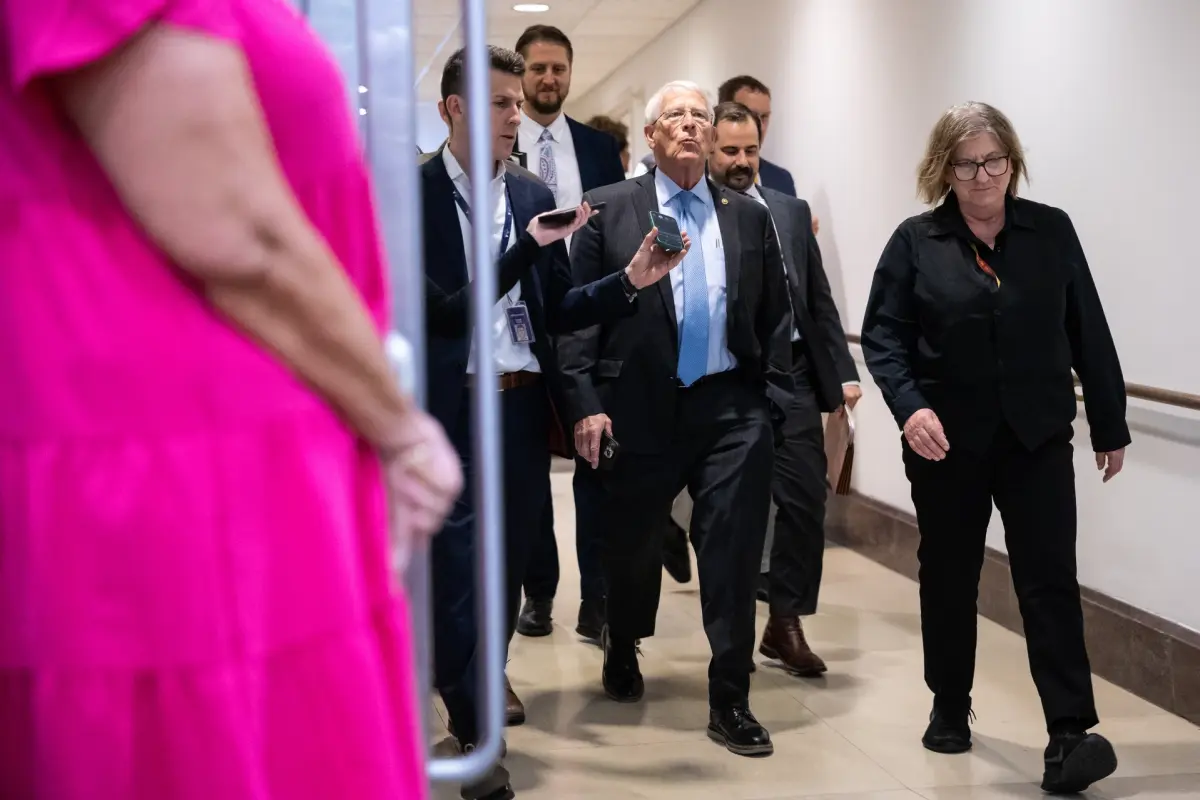
WASHINGTON — Republican lawmakers on Capitol Hill have largely dismissed recent pleas for increased financial support for the ongoing conflict in Iran, signaling a firm stance against deeper American military and economic entanglement despite escalating regional tensions in 2026. The widespread reluctance among congressional Republicans underscores a growing factional divide over U.S. foreign policy objectives in the Middle East.
Calls for additional appropriations have come from various quarters, including Pentagon officials and some defense-minded senators, who argue that enhanced funding is crucial for maintaining regional stability and bolstering allied forces confronting Iran-backed proxy groups. They contend that a robust American presence is necessary to deter further aggression and protect vital shipping lanes.
However, the prevailing sentiment among the Republican caucus, particularly within the House and Senate appropriations committees, leans toward fiscal conservatism and a reevaluation of long-term commitments abroad. Several prominent members have voiced skepticism regarding the efficacy of continued extensive military spending in a conflict zone perceived by many as intractable.
Representative Eleanor Vance of Texas, a leading voice on the House Armed Services Committee, recently stated that our national debt demands prudence. She conveyed that Congress must question whether pouring more taxpayer dollars into what appears to be an endless war in Iran genuinely serves American interests or merely perpetuates a costly cycle of intervention.
This position aligns broadly with President Donald Trump’s long-held skepticism toward extensive foreign military engagements. While the Trump administration maintains a firm stance against Iran’s regional ambitions, it has consistently emphasized a strategy that prioritizes American sovereignty and strategic resource allocation over perpetual overseas deployments.
The budgetary discussions reveal a clear preference among many Republicans for domestic priorities, ranging from infrastructure investment to border security, over escalating foreign entanglements. Lawmakers are pointing to a challenging economic outlook that necessitates a more disciplined approach to federal expenditures.
Furthermore, a significant number of Republicans are advocating for a strategy that relies more heavily on diplomatic pressure, targeted sanctions, and regional partnerships, rather than direct military funding or expanded U.S. operational involvement. This perspective suggests a desire to empower allies to take greater responsibility for their own security.
The lack of enthusiasm for increased Iran war funding creates potential challenges for the President Donald Trump administration in its efforts to project strength and stability in the Middle East. Without congressional buy-in, the executive branch’s options for military and logistical support may become increasingly constrained.
Allies in the Persian Gulf region, who have often looked to the United States for security assurances and material support, are reportedly observing the congressional debate with apprehension. Questions are being raised about the reliability of American commitments if financial backing falters amidst ongoing crises.
Analysts from the American Enterprise Institute note that this congressional stance could signal a significant shift in U.S. foreign policy doctrine, potentially leading to a more isolationist or selectively engaged approach to global conflicts. The long-term implications for American influence and international alliances remain a subject of intense debate.
The debate is expected to continue through the upcoming budget cycles, with minimal indications that Republican lawmakers are prepared to alter their current trajectory. The focus remains on strategic reevaluation and fiscal restraint, setting the stage for future legislative battles over America’s role in the Middle East conflict.