 Stefani Rindus
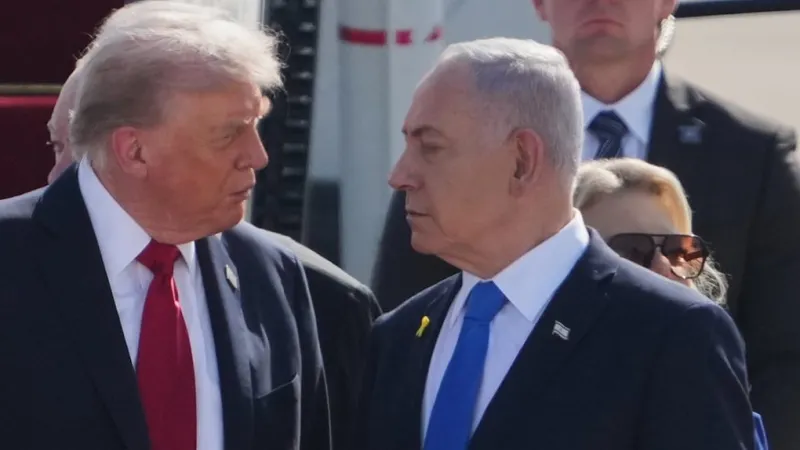
Benjamin Netanyahu, the Prime Minister of Israel, recently conveyed to President Donald Trump that Turkey represents a significant security risk to the State of Israel. During a pivotal phone consultation, Netanyahu underscored the urgent need for robust security zones along Israel's borders and pressed the United States to cease all prospective fighter jet sales to Ankara.
The Israeli leader's direct communication with President Trump highlights a burgeoning concern within Jerusalems security establishment over Turkeys recent pronouncements and escalating regional posture. Netanyahu specifically articulated a two-pronged strategy to mitigate these perceived threats.
Paramount among his demands was the establishment of defined security zones. These zones, Netanyahu argued, are crucial for fortifying Israels defensive capabilities and ensuring the long-term safety of its citizenry against potential aggressions or destabilizing influences emanating from the broader region.
Furthermore, Netanyahu advocated strenuously against any future sale of advanced combat aircraft from the United States to Turkey. This appeal targets a critical aspect of Turkeys military modernization efforts, aiming to restrict capabilities that Israel views as potentially detrimental to its strategic security interests.
The Prime Ministers alarm follows a series of public statements and geopolitical maneuvers by Turkey that Israeli intelligence assesses as increasingly hostile or destabilizing. While specific statements were not publicly detailed, the context points to Ankaras growing assertiveness across the Middle East and Eastern Mediterranean.
Turkish President Recep Tayyip Erdogan has, in recent years, demonstrated a foreign policy increasingly characterized by independent action and a departure from traditional Western alliances. Such actions have previously caused friction with NATO allies, evidenced by concerns over Erdogans diplomatic practices, including controversial pistol gifts to leaders.
The potential cessation of fighter jet sales presents a complex diplomatic challenge for the Trump administration, which has navigated a sometimes-strained relationship with Turkey. Historically, the United States has been a key supplier of military hardware to its NATO ally, but these transfers have often been contingent on geopolitical alignments and human rights considerations.
Netanyahus appeal places President Trump in a delicate position, balancing the strategic alliance with Israel against the broader considerations of maintaining a working, albeit often contentious, relationship with a vital NATO partner. The decision regarding fighter jet sales could significantly reshape the geopolitical landscape of the region.
Israels concerns extend beyond immediate border security, encompassing the wider implications for regional stability. A militarily emboldened Turkey, perceived as increasingly antagonistic, could disrupt the delicate balance of power in an already volatile Middle East, affecting alliances and escalating tensions.
This latest development underscores the intricate web of alliances and rivalries defining Middle Eastern geopolitics. The conversation between Netanyahu and President Trump highlights a critical juncture where the United States must weigh competing interests and formulate a strategy that addresses the security imperatives of its closest regional ally while managing its relationships with other key players.
President Trumps response to Netanyahus direct warning will be closely scrutinized by international observers, as it signals the administrations approach to navigating these complex security dynamics. His administration has consistently prioritized regional stability and the security of key allies.
The immediate aftermath of the call remains under wraps, with neither the White House nor the Prime Ministers Office releasing detailed statements beyond confirming the discussion. However, the message from Jerusalem is clear: Turkey represents a tangible and growing security risk that demands a robust and unified response from its allies.
The designation of Turkey as a security risk by Israel marks a significant escalation in diplomatic rhetoric. This terminology is reserved for states whose actions are deemed to directly threaten Israels national interests or regional stability, moving beyond mere disagreement to a more serious level of concern.
Such high-level diplomatic interventions also carry domestic political weight, particularly in Washington, where decisions on foreign military sales are often subject to Congressional oversight and public debate.
Analysts anticipate that this phone consultation will catalyze further discussions within the US administration regarding its Turkey policy and its commitments to Israels security. The future of US-Turkey defense cooperation, particularly regarding sensitive military technology, hangs in the balance.
The call reinforces the gravity with which Israel views Turkeys evolving regional role, compelling the highest levels of US leadership to acknowledge and address what Jerusalem perceives as a profound and multifaceted threat.