Demian Sahputra
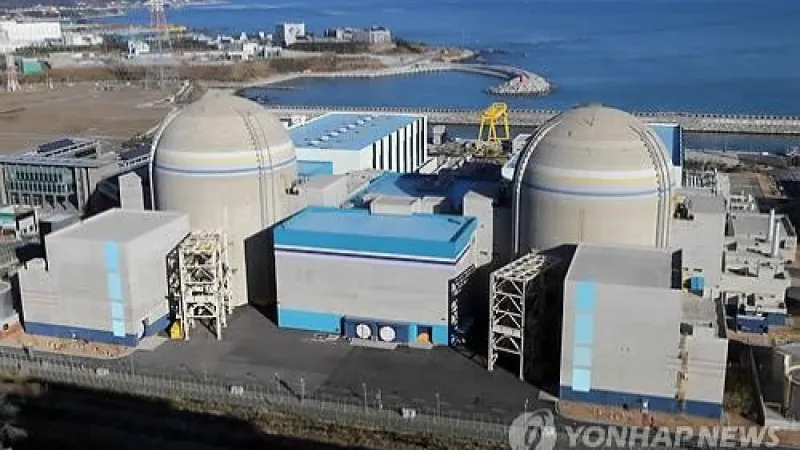
WASHINGTON, Nov. 13 (Yonhap) -- The International Atomic Energy Agency (IAEA) has formally recommended significant safety improvements at a key nuclear reactor situated in Busan, South Korea, following a comprehensive review. The recommendations, issued on November 13, 2026, underscore the global watchdog's continuous efforts to ensure the highest standards of nuclear safety and security worldwide.
The specific reactor under scrutiny is part of the Kori Nuclear Power Plant complex, a cornerstone of South Koreas energy infrastructure. An IAEA team concluded its assessment, identifying several areas where operational protocols, emergency preparedness, and structural resilience could be bolstered to mitigate potential risks more effectively.
While the IAEA report did not suggest immediate danger, its recommendations serve as a proactive measure to enhance the plants robustness against unforeseen circumstances. Such evaluations are standard practice, reflecting an international commitment to learning from past incidents and continuously improving safety measures across nuclear facilities.
The agency's expert mission conducted an in-depth analysis of various aspects, including plant management systems, human factors in operations, maintenance procedures, and the plants capacity to respond to external hazards. The findings highlight areas for optimization rather than fundamental flaws.
South Korea, a nation heavily reliant on nuclear power for its electricity needs, operates multiple reactors across several sites. The safety of these facilities is a paramount concern for both the government and the public, especially given the countrys geographic location and regional geopolitical dynamics.
Energy security remains a critical agenda item for Seoul, as demonstrated by decisions such as extending fuel price caps amidst volatile Mideast tensions. The stable operation of its nuclear fleet is integral to this broader energy strategy, making IAEA recommendations particularly salient.
Officials from the South Korean Ministry of Trade, Industry and Energy, along with the Nuclear Safety and Security Commission, acknowledged receipt of the IAEA's findings. They have publicly affirmed their commitment to thoroughly review the recommendations and implement necessary enhancements in close coordination with the agency.
This development comes as South Korea continues to navigate complex issues related to nuclear technology, including discussions with UN officials on mitigating North Korea nuclear and military AI risks. The nations dedication to transparent and robust nuclear safety practices is vital for regional stability and international cooperation.
Experts suggest that implementing the IAEA's recommendations will not only strengthen the Busan reactor's safety profile but also reinforce public confidence in South Koreas nuclear power program. This proactive approach sets a positive example for other nations with extensive nuclear energy sectors.
The IAEA's role as an independent international body is crucial for maintaining a universal framework for nuclear safety. Its missions provide invaluable insights and foster a culture of continuous improvement, ensuring that nuclear energy remains a safe and reliable component of the global energy mix.
Previous IAEA assessments have often led to enhanced safety protocols and operational efficiencies at nuclear plants globally. The agency emphasizes that these recommendations are part of a collaborative process, designed to assist member states in achieving and maintaining excellence in nuclear safety.
The financial implications of implementing these improvements are expected to be managed within the existing operational budgets of the Korea Hydro & Nuclear Power (KHNP) company, which operates the Kori complex. The long-term benefits of heightened safety are seen as far outweighing the immediate costs.
The incident serves as a reminder that while nuclear power offers a significant carbon-free energy source, its deployment demands unwavering attention to safety. Continuous vigilance and adherence to international best practices are non-negotiable for operating such critical infrastructure.
South Korean authorities are expected to develop a detailed action plan outlining how they intend to address each of the IAEA's recommendations. This plan will likely include timelines for implementation and benchmarks for verification, ensuring accountability and progress.
The global community keenly observes such developments, as the safe and secure use of nuclear energy is a collective responsibility. The transparency exhibited by South Korea in welcoming and responding to IAEA scrutiny reinforces international trust in its nuclear program.