 Angela Stefani
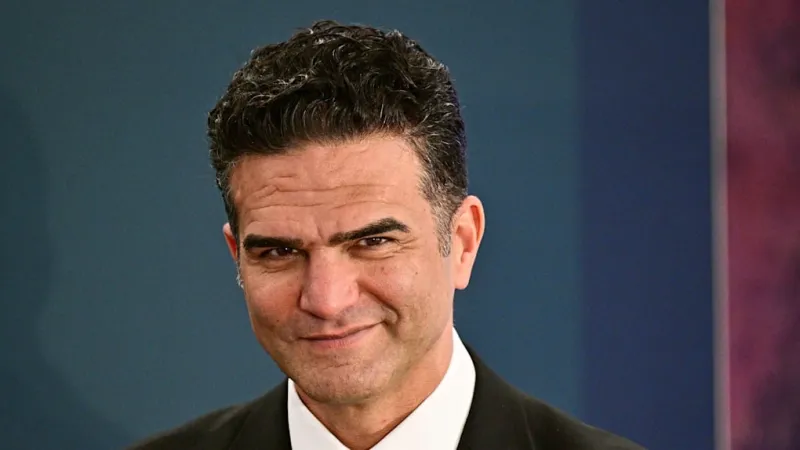
BERLIN — Alon Meyer, the respected President of Makkabi Deutschland, recently issued a potent warning regarding Germany's potential bid to host the 2036 Olympic Games. Meyer emphasized the critical need to "create no loopholes for people who do not mean well with us," directly referencing a stance reminiscent of Albert Speer junior, and voiced profound apprehension over escalating Islamism and the prevailing attitude of the Left political party.
His comments arrive amidst ongoing national discourse about the feasibility and appropriateness of Germany seeking to host the global sporting event a century after the infamous 1936 Berlin Olympics, which the Nazi regime notoriously exploited for propaganda purposes. Meyer's historical invocation of Speer junior, the son of Adolf Hitler's chief architect, underscores a deep-seated concern about how such an international spectacle could again be manipulated or compromised by malevolent forces.
Meyer explicitly recommended adopting the clear-eyed perspective of Albert Speer junior, who, despite his lineage, became a vocal critic of totalitarian urban planning and historical revisionism. This suggestion highlights a call for rigorous ethical and security vetting to safeguard the integrity of any future Olympic endeavor in Germany.
A central pillar of Meyer's apprehension rests on the perceived rise of Islamism within Germany. He underscored that this phenomenon poses a significant and growing threat to the nation's democratic values and social cohesion, necessitating unwavering vigilance from state institutions and civil society alike.
Beyond the threat of religious extremism, Meyer articulated unease with what he described as the attitude of the Left. This critique suggests a perceived lack of firm resolve or perhaps a specific policy approach by certain leftist factions that Meyer believes could inadvertently enable or overlook emergent dangers to national security.
Makkabi Deutschland stands as a prominent voice in German society, advocating for Jewish sports and culture, and actively promoting integration and tolerance through athletic endeavors. Its leadership often reflects on the historical burdens and contemporary challenges faced by minority communities in Germany.
The year 2036 holds immense symbolic weight for Germany, marking a full century since the 1936 Berlin Games. The decision to pursue an Olympic bid would inevitably ignite extensive national introspection about Germany's past, its present identity, and its future aspirations on the global stage. Meyer's counsel serves as a crucial reminder that historical lessons must inform future decisions, particularly concerning events that carry such profound national and international visibility.
The call for stringent controls against undesirable elements is not merely about security logistics for a major event; it encompasses a broader commitment to upholding the constitutional order and protecting vulnerable communities from ideological threats. Meyer's intervention thus transcends the realm of sports, touching upon fundamental principles of national defense and societal resilience.
The political landscape in Germany, characterized by evolving debates on integration, security, and the rise of various extremist ideologies, forms the backdrop for these significant warnings. Public figures like Meyer continue to shape the narrative, pushing for robust policies and a steadfast national character in the face of complex challenges.
Ultimately, Meyer's statement urges German policymakers and the public to approach the 2036 Olympic discussion with utmost circumspection, ensuring that any ambition to host the Games is thoroughly harmonized with an unyielding commitment to national security and democratic integrity. His message emphasizes foresight and an uncompromising stance against those who would exploit openness for nefarious ends.