Gabriella
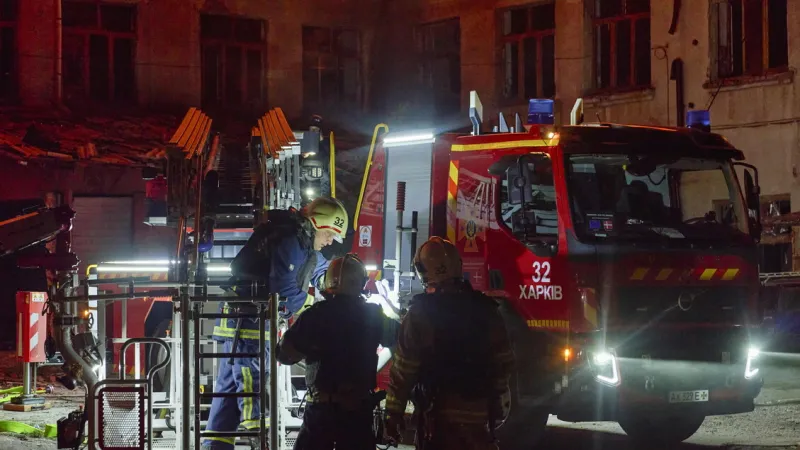
A devastating Russian strike ravaged a residential area in Kharkiv, Ukraine, early Tuesday, leaving at least one civilian dead and nine others injured. Rescue workers discovered the body of a woman amid the rubble of a destroyed building following what Ukrainian authorities described as an unprovoked aerial assault.
The attack, which occurred in the pre-dawn hours, sent shockwaves through the city, which has repeatedly faced Russian bombardments since the full-scale invasion commenced. Emergency services quickly mobilized to the scene, where several floors of a multi-story residential block had been reduced to a skeletal shell of concrete and twisted metal.
Authorities confirmed that the deceased was a woman whose identity is currently being established. The nine injured individuals received immediate medical attention, with some transported to local hospitals for treatment of various wounds, including cuts, bruises, and concussions sustained from the powerful explosions and collapsing structures.
Search and rescue operations are ongoing, with crews meticulously sifting through the precarious wreckage, fearful that more victims may be trapped beneath the debris. The provincial governor, Oleh Syniehubov, urged residents to remain vigilant and heed air raid warnings, underscoring the persistent threat to civilian lives.
Ukrainian President Volodymyr Zelenskyy condemned the latest Kharkiv attack, reiterating calls for increased international support and robust air defense systems to protect Ukrainian cities from continued Russian aggression. His office released a statement emphasizing that such acts constitute blatant war crimes.
The city of Kharkiv, Ukraine's second-largest, lies perilously close to the Russian border and has been a frequent target throughout the conflict. Its strategic location makes it a crucial battleground, with Russian forces consistently attempting to degrade its infrastructure and demoralize its inhabitants.
Residents described waking to the terrifying sound of explosions, followed by the shattering of glass and the cries of neighbors. Many sought refuge in basements or fortified shelters, a grim routine that has become part of daily life for those enduring the war. The psychological toll on the civilian population remains immense.
This particular Russian strike highlights the escalating nature of the conflict, as Ukraine continues to push back against Russian advances. The persistent targeting of civilian infrastructure draws widespread condemnation from international bodies and human rights organizations, who frequently decry the violation of international humanitarian law.
The latest developments in Kharkiv occur amidst broader geopolitical tensions. Observers note that such attacks often follow periods of intense military activity along the front lines or serve as retaliatory measures. The ongoing debate surrounding the provision of advanced weaponry to Ukraine gains new urgency with each such incident.
The international community has consistently called for an end to hostilities and a diplomatic resolution. However, the ferocity of actions like this recent Kharkiv attack demonstrates the entrenched nature of the conflict and the continued suffering inflicted upon Ukrainian citizens.
The destruction extends beyond the immediate impact zone, with nearby buildings sustaining significant damage from the blast wave. Windows were blown out, roofs were partially torn off, and debris littered the streets, forcing local authorities to cordon off a wide area for safety and investigation.
Utility crews were also dispatched to assess damage to power lines and gas infrastructure, working to restore essential services to affected areas as quickly as possible. The resilience of Kharkiv residents, who have endured years of conflict, is once again being tested by these renewed assaults.
Military analysts suggest that these precise, often deadly, strikes aim to disrupt supply lines, demoralize the populace, and divert Ukrainian resources from front-line engagements. However, such tactics invariably inflict devastating consequences on non-combatants, as witnessed in this tragic incident.
The broader implications of such attacks on Ukraine's sovereignty and regional stability are significant. Concerns about the conflict's potential to draw in neighboring states, such as Belarus, have been previously highlighted, with warnings that Ukraine Warns Belarus: Direct Intervention Threatens War Escalation. This underscores the delicate balance of power in Eastern Europe.
As daylight broke, the full scale of the devastation became painfully clear. Personal belongings, shattered furniture, and remnants of everyday lives lay exposed to the elements, a poignant testament to the sudden violence that uprooted countless families. Local volunteers quickly arrived to assist emergency workers and offer support to displaced residents.
The tragedy serves as a stark reminder of the human cost of the protracted conflict. Each strike against civilian targets not only causes immediate suffering but also deepens the collective trauma experienced by the Ukrainian nation.
The international response, while largely condemnatory, faces the ongoing challenge of effectively deterring future attacks. Diplomatic efforts continue, yet the resolve of both sides remains firm, making any immediate cessation of hostilities seem distant.
As recovery efforts continue in Kharkiv, the city once again mourns its dead and tends to its wounded, demonstrating remarkable fortitude in the face of relentless aggression. The search for accountability for these actions will undoubtedly persist on the international stage.