 Robert Andrison
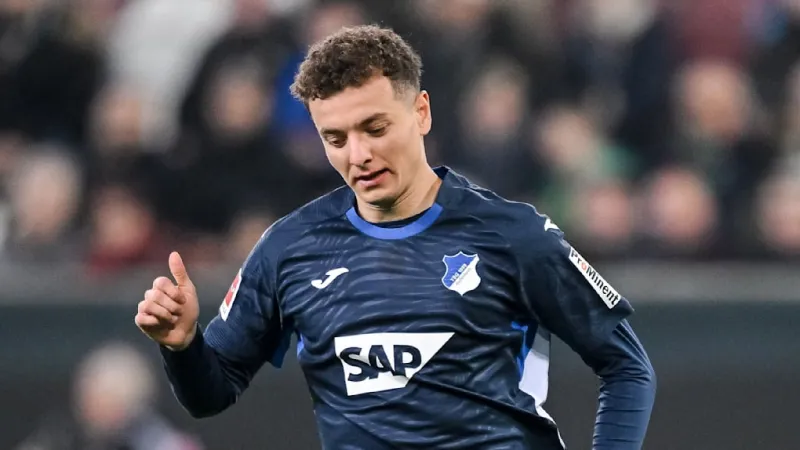
LEIPZIG - A highly anticipated 25-million-euro transfer in the German Bundesliga was dramatically scuttled at the eleventh hour by RB Leipzig, citing unresolved medical concerns following the players routine physical examination. The abrupt decision has left TSG 1899 Hoffenheim, the selling club, expressing bewilderment and frustration over the sudden collapse of what was considered a practically finalized agreement.
This incident represents a rare occurrence in Europes top-tier football, where a deal of such significant financial magnitude reaches the final stages only to be derailed by post-medical evaluation findings. Typically, extensive background checks and initial medical assessments precede formal negotiations, making a late-stage withdrawal particularly unusual.
The proposed transfer, intended to bolster Leipzigs squad, involved a substantial investment of approximately 25 million euros. Such figures underscore the immense financial commitment clubs make in securing top talent, often representing a significant portion of their annual transfer budgets.
While the specific medical issues prompting Leipzigs withdrawal remain undisclosed, the decision highlights the rigorous standards and cautious approach modern football clubs adopt to protect their investments. The long-term health and fitness of a player are paramount, influencing not only on-field performance but also future resale value.
TSG 1899 Hoffenheims reported lack of understanding regarding the decision points to a clear disagreement between the two clubs over the players medical status. This divergence suggests that Hoffenheim may not have perceived any critical red flags, or believed any minor issues were manageable.
The professional and personal impact on the unnamed player involved is considerable. Such a sudden reversal can be devastating, affecting morale, future prospects, and the immediate career trajectory of an athlete who was likely preparing for a new chapter with a new club.
For Leipzig, the immediate consequence is a forced return to the drawing board to identify alternative transfer targets, potentially under increased time pressure as the transfer window progresses. This late development could disrupt their strategic planning for the upcoming season.
Hoffenheim, on the other hand, faces the loss of a substantial financial windfall that could have been reinvested into their squad or used to offset operational costs. The unexpected void in their budget may necessitate a reassessment of their own financial strategies and player acquisition plans.
Medical checks are a standard, non-negotiable part of any professional football transfer. They serve as a final safeguard for purchasing clubs, ensuring that the athlete meets the stringent physical demands of the sport and does not harbor pre-existing conditions that could lead to prolonged absences or premature retirement.
Despite their routine nature, it is uncommon for medical evaluations to outright halt a deal that has progressed to the point of a reported 25-million-euro agreement. This situation underscores the fact that even seemingly minor medical findings can carry significant weight when substantial investments are on the line.
The Bundesliga transfer market continues to be a hotbed of activity and speculation. This incident serves as a stark reminder of the markets inherent unpredictability, where even the most advanced negotiations can crumble due to unforeseen circumstances.
Observers of German football will closely monitor the aftermath of this collapse, watching to see how both Leipzig and Hoffenheim adjust their strategies in the remaining period of the transfer window. The episode provides a fascinating, albeit unfortunate, case study in the high-stakes world of professional sports.
This development further emphasizes the intricate interplay of athletic performance, financial valuation, and stringent medical protocols that govern player movement in elite European football leagues. Every detail, no matter how small, holds the potential to make or break a multi-million-euro transaction.