 Demian Sahputra
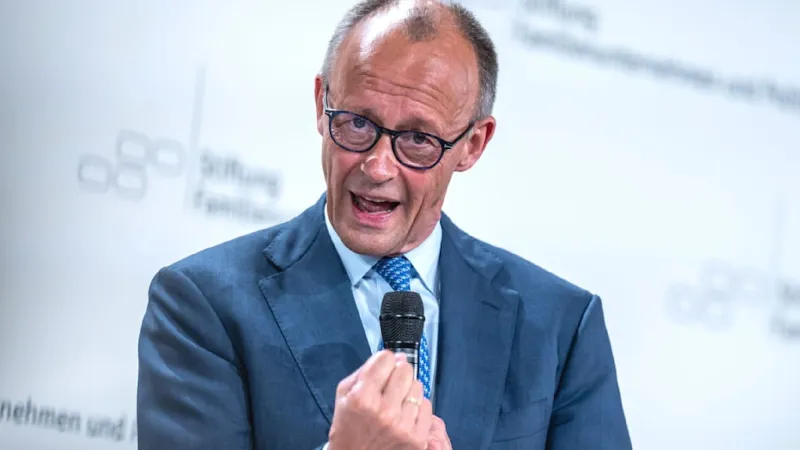
Berlin — Friedrich Merz, a prominent figure and leader of Germany’s conservative Christian Democratic Union (CDU), recently made an impassioned appeal to hundreds of family entrepreneurs, advocating for sweeping reforms aimed at revitalizing the nation's economy. During his address, Merz invoked the powerful concept of a new economic miracle, seeking to rally support for a profound shift in Germany's economic trajectory. However, his vision for a reformed Germany reportedly met with diminishing enthusiasm when pressed for concrete details.
Merz, who has consistently positioned himself as a strong voice for economic liberalization and reduced bureaucracy, presented his proposals as essential for navigating current global challenges and restoring Germany’s competitive edge. His remarks resonated with a yearning for a return to robust growth and prosperity, echoing the post-World War II period of rapid economic expansion.
The setting for Merz’s address — before a critical audience of family entrepreneurs — underscores the importance of the Mittelstand, Germany's bedrock of small and medium-sized businesses, to any proposed economic revitalization. These businesses often voice concerns over regulatory burdens, energy costs, and a perceived lack of political vision.
His call for a new economic miracle draws a direct parallel to the original Wirtschaftswunder, a period from the 1950s and 1960s characterized by unprecedented economic growth and rising living standards. By evoking such a potent historical narrative, Merz aims to inspire confidence and suggest that bold policy shifts can once again transform the German landscape.
Observers noted a palpable shift in the room's atmosphere. Initial applause for Merz’s broad proclamations of reform and renewal quickly subsided as the discussion transitioned to the practical implementation and granular specifics of his proposed vision for a restructured nation. This rapid ebbing of support highlights a common challenge for political leaders: translating aspirational rhetoric into actionable policy that garners enduring public and business backing.
The current German economic climate presents significant hurdles, including persistent inflation, energy security concerns, and the ongoing need for industrial transformation to meet climate goals. These factors create fertile ground for calls for profound change, yet also demand detailed, credible solutions rather than broad promises.
Merz’s proposals come at a time when the German political sphere grapples with various legislative challenges. Efforts to push through certain reforms, such as the German Section 188 reform, have previously stalled amidst significant partisan divides, as documented in articles like Partisan Divide Stifles German Section 188 Reform Amidst Voter Disregard Claim. This history suggests that even well-intentioned reform efforts can face considerable headwinds.
While the current government under Chancellor Olaf Scholz has also outlined its own reform agenda, emphasizing relief and progress, as previously reported in German Chancellery Chief Details Sweeping Reforms: Relief and Progress Combined, Merz’s speech attempts to carve out a distinct, more ambitious path for the opposition. This political dynamic sets the stage for ongoing debate regarding the most effective strategies for national economic resurgence.
Critics often point to a lack of specificity in opposition platforms, suggesting that grand narratives, while engaging, fail to address the complex intricacies of modern economic governance. The muted reaction to Merz’s call for a new economic miracle, when pressed for details, underscores this sentiment.
The ultimate success of any proposed economic overhaul depends not only on the boldness of its vision but also on the clarity and feasibility of its execution. Merz's challenge lies in converting a powerful historical echo into a contemporary blueprint that can withstand scrutiny and secure widespread consensus across a diverse political and economic landscape.
Germany, as Europe's largest economy, faces pressures from global competition, demographic shifts, and the accelerating pace of technological innovation. These systemic challenges require more than rhetorical flourishes; they demand pragmatic policy adjustments that foster innovation, attract investment, and enhance productivity.
The family entrepreneurs, representing a significant portion of German industry, are keenly interested in policies that support their long-term growth and stability. Their measured response to Merz’s speech suggests a desire for concrete legislative and fiscal plans that can truly alleviate current burdens and unlock future potential.