 Angela Stefani

WASHINGTON – President Donald Trump announced today that Israel and Hezbollah have agreed to de-escalate the ongoing hostilities in Lebanon, a critical development following a direct phone conversation with Israeli Prime Minister Benjamin Netanyahu. The White House confirmed the agreement aims to prevent further military escalation in the volatile region, crucially averting any potential Israeli troop deployment into Beirut.
Addressing reporters, President Trump emphasized that the understanding reached signifies a mutual commitment to prevent the conflict from intensifying. He explicitly stated, "There will be no troops sent into Beirut," underscoring a key assurance intended to reduce immediate tensions.
Furthermore, the President directly countered claims that negotiations with Iran regarding an end to the broader regional conflict had been suspended. He affirmed that diplomatic channels remain open, indicating a complex, multi-faceted approach to regional stability.
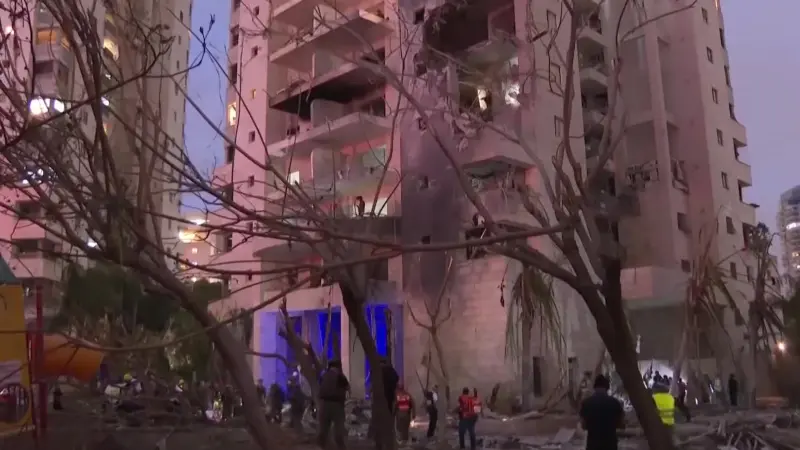
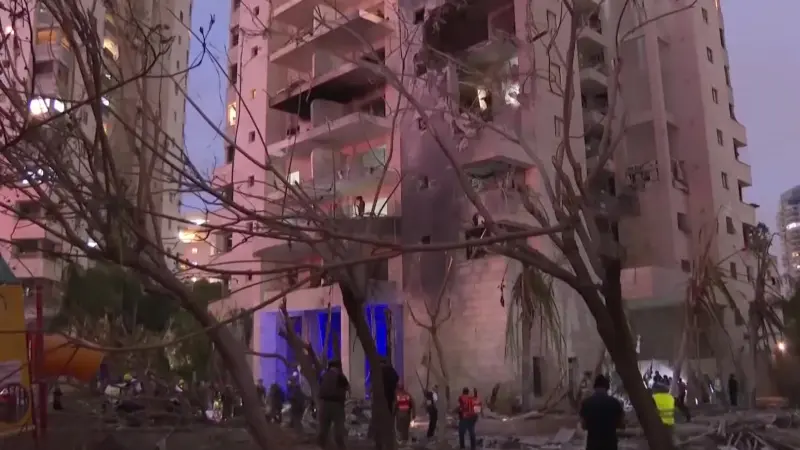
The announcement comes amidst a period of heightened cross-border skirmishes and rhetoric between Israel and Hezbollah, an Iranian-backed militant group that holds significant political and military sway in Lebanon. Recent weeks have seen sporadic exchanges of fire, fueling concerns of a wider regional conflagration.
The United States has consistently played a pivotal role in mediating disputes in the Middle East, leveraging its diplomatic influence to foster stability. This latest intervention highlights a concerted effort by the Trump administration to temper regional flashpoints. An earlier report, Hezbollah Reportedly Accepts US Ceasefire Proposal Amid Iran Talks, hinted at prior diplomatic maneuvering.
Neither Israeli nor Hezbollah officials immediately issued independent statements confirming President Trumps announcement. This customary delay often accompanies sensitive diplomatic arrangements, as parties carefully calibrate their public messaging.
A successful Lebanon de-escalation would provide a much-needed respite for a region perennially on edge. It could potentially open pathways for more sustained dialogue, though deep-seated animosities and competing interests remain significant obstacles.
Hezbollahs substantial military capabilities and political influence within Lebanon make it a central actor in any conflict involving Israel. Its command structure and decision-making are closely watched by regional and international powers.
Irans strategic alignment with Hezbollah, providing funding, training, and weaponry, means that Tehrans geopolitical objectives often intersect with the groups actions. The stated continuation of Iran talks by President Trump suggests a broader diplomatic strategy at play. Another related article, Iran Halts Hormuz Talks, Links Move to Lebanon Escalation, shows the interconnectedness of these issues.
The history between Israel and Hezbollah is marked by several intense conflicts, notably the 2006 Lebanon War. Memories of past engagements underscore the severe humanitarian and strategic costs of full-scale warfare in the region.
Lebanon, already grappling with profound economic challenges and a protracted political crisis, can ill afford further military adventurism. Any large-scale conflict would exacerbate its humanitarian woes and further destabilize its fragile governance.
This diplomatic success underscores the Trump administrations continued engagement in Middle Eastern affairs, striving to project stability through negotiation and direct engagement with key regional players.
Despite the positive announcement, the path to lasting peace in the Levant is fraught with challenges. The underlying issues contributing to the Israel-Hezbollah rivalry, including territorial disputes and ideological differences, persist.
The international community will closely monitor the adherence to this de-escalation agreement, with various nations and organizations likely to lend diplomatic support to ensure its sustainability.
The coming days will be crucial in observing how both Israel and Hezbollah operationalize this agreement on the ground and whether the commitment translates into a tangible reduction of tensions along the border.