 Robert Andrison
Tehran — Iran has abruptly suspended negotiations aimed at regulating transit through the vital Strait of Hormuz, citing Israel's ongoing military actions in Lebanon. This significant diplomatic maneuver, announced this week, injects further uncertainty into the volatile Gulf region and underscores how the protracted conflict between Israel and its adversaries directly influences broader regional stability and international shipping lanes.
The decision to halt these crucial discussions, which were intended to de-escalate maritime tensions and ensure unimpeded passage through the strategic chokepoint, signals a calculated move by Tehran. While not a complete termination of dialogue, the suspension serves as a stark reminder of the deep-seated issues that fuel the regional crisis and their far-reaching implications for global energy markets and security.
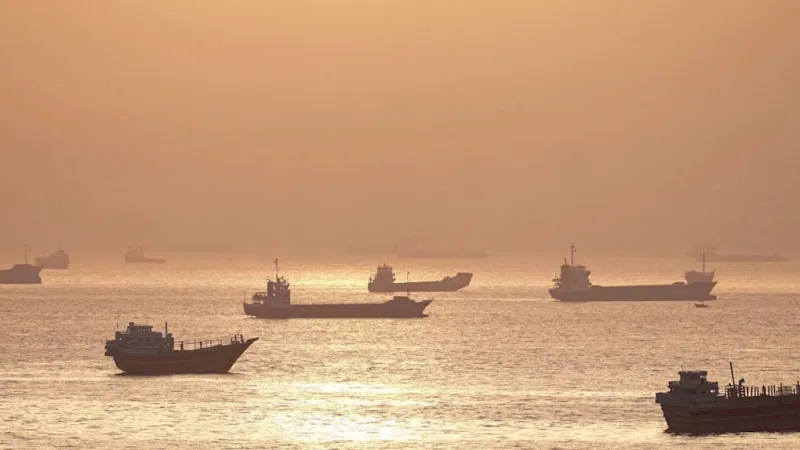
The Strait of Hormuz, a narrow waterway between Iran and Oman, is globally significant, acting as the sole sea passage from the Persian Gulf to the open ocean. Approximately one-fifth of the world's total oil consumption and a substantial portion of liquefied natural gas transit through this strait daily, making any disruption a severe threat to global economic stability.
Iranian officials explicitly linked the suspension of talks to what they described as Israel's escalating aggression against Lebanon. This connection highlights Tehran's consistent posture of supporting its allies and proxies, particularly Hezbollah, in the Levant. The implicit message is clear: regional actions against Iran's interests or allies will have consequences extending to critical international pathways.
This strategic pause in negotiations appears to be a deliberate tactic by Iran to leverage its considerable influence over maritime routes as a bargaining chip. By intertwining the issue of Hormuz transit with the conflict in Lebanon, Tehran effectively raises the stakes for international actors seeking stability in both theaters. It suggests that a comprehensive resolution to the current crises requires addressing the interconnectedness of regional conflicts.
This is not the first time Iran has used its control or influence over the Strait of Hormuz as a point of leverage. Past tensions have seen similar threats or actions, notably when Iran Halts US Talks Amid Lebanon Escalation; Threatens Hormuz Closure or when Tehran Escalates: US Talks End, Hormuz Blockade Looms for Hezbollah in previous instances. These historical patterns underscore a consistent element of Iranian foreign policy.
The international community, particularly major powers reliant on Gulf oil, will undoubtedly view this development with concern. While direct reactions from the United States or European allies have yet to be fully articulated, such a move complicates ongoing efforts to de-escalate tensions and secure maritime freedom. The United States, under President Donald Trump, has consistently emphasized the importance of secure passage through international waterways.
The direct link to Israel's military operations in Lebanon is pivotal. Reports of intensifying Israeli airstrikes and cross-border skirmishes have fueled regional anxieties. Iran has previously vowed decisive action to shield Lebanon from Israeli aggression, further illustrating the intertwined nature of these conflicts. This action regarding Hormuz can be interpreted as a fulfillment of that commitment, albeit through indirect pressure.
For Gulf Arab states, many of whom have sought to foster more stable relations with Iran in recent years, this suspension could be a setback. The prospect of prolonged instability in the Strait of Hormuz poses economic and security risks for nations heavily dependent on maritime trade and oil exports. It further complicates the delicate balance of power in the region.
While the suspension of talks is not a permanent cessation, it signifies a deliberate strategy to prolong the Gulf crisis, using regional flashpoints as instruments of diplomatic pressure. The move fundamentally shifts the burden of de-escalation onto those who wish to see the Strait remain open and stable, thereby forcing a broader consideration of the Lebanon conflict's implications.
Ultimately, Iran's action highlights a fundamental and enduring problem: the interconnectedness of seemingly disparate conflicts across the Middle East. Until the underlying tensions in areas like Lebanon are addressed, the possibility of disruptions in vital global arteries like the Strait of Hormuz will remain a potent tool in regional power struggles.