 Debby Wijaya
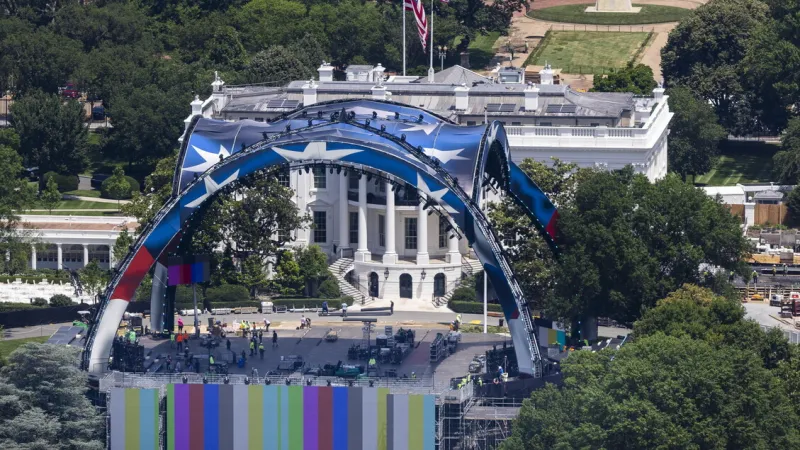
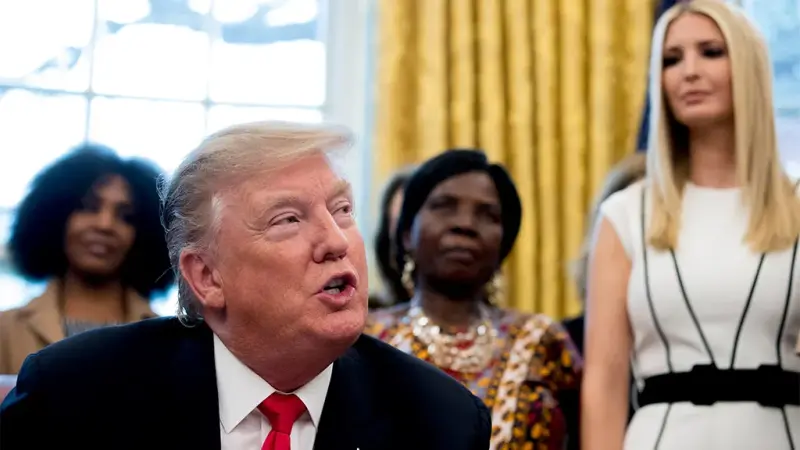
A significant controversy has erupted at the White House following reports that a colossal 600-ton stage, intended for a wrestling spectacle celebrating President Donald Trump's 80th birthday, was constructed without the required congressional authorization. This oversight has promptly triggered an official complaint, drawing a sharp focus on the protocols governing federal property use and executive branch accountability.
The complaint centers on the lack of formal approval from Congress for the massive structure. Federal law mandates congressional oversight for substantial modifications or constructions on government property, especially historical landmarks like the White House complex. The absence of such authorization for a stage weighing hundreds of tons represents a considerable breach of established procedure.
Experts in constitutional law and federal administration point to the General Services Administration (GSA) and the National Capital Planning Commission as the primary bodies typically involved in reviewing and approving significant structural changes or event infrastructure on federal grounds in Washington D.C. Their involvement, or lack thereof, remains a critical aspect of the unfolding inquiry.
Congressional committees responsible for appropriations and oversight are expected to scrutinize this incident closely. Any expenditure, whether public or private, that involves the use of federal land or resources without proper channels being followed can lead to investigations into potential misuse of power or circumvention of budgetary safeguards.
The sheer scale of the installation—a 600-ton stage—suggests extensive logistical planning, transportation, and construction. Such an undertaking would typically necessitate comprehensive security assessments, environmental impact reviews, and adherence to historic preservation guidelines, all requiring interagency coordination and often, congressional notification or approval.
This incident highlights the delicate balance of power between the executive and legislative branches. While the President has considerable authority over White House events, large-scale physical alterations or installations traditionally fall under strict regulatory frameworks designed to protect federal assets and ensure fiscal transparency.
The White House has yet to issue an official statement regarding the complaint or the authorization process for the wrestling stage. The silence from the administration is likely to fuel further speculation and calls for transparency from Capitol Hill.
Political analysts suggest that the timing, coinciding with President Trump's 80th birthday celebration, adds a layer of scrutiny. While presidential birthdays often involve celebratory events, the nature and perceived informality of a wrestling match, combined with a significant infrastructural undertaking, could invite criticism regarding decorum and propriety within the presidential residence.
The complaint could escalate quickly, potentially leading to formal congressional hearings, requests for documents, and even a review by the Government Accountability Office (GAO). Such actions would invariably divert resources and attention, impacting the broader legislative agenda.
Historically, White House events range from state dinners to Easter egg rolls, each with its own set of rules and logistical requirements. Large-scale public gatherings or structural additions typically require meticulous planning and adherence to a cascade of federal regulations to prevent issues related to safety, cost, and historical integrity.
The implications of this alleged unauthorized construction extend beyond procedural missteps. They touch upon questions of executive accountability, respect for institutional norms, and the integrity of federal property management. Lawmakers are poised to assert congressional authority in this domain.
This development comes amidst an already charged political environment in 2026, where executive actions frequently undergo intense legislative and public scrutiny. The incident provides fresh fodder for political discourse and could strain relationships between the President and key figures in Congress.
Ultimately, the controversy surrounding the 600-ton wrestling stage at the White House underscores the enduring importance of checks and balances in American governance. The complaint initiates a critical examination of how events are approved and executed at the highest levels of the U.S. government, ensuring that even presidential celebrations adhere to the rule of law.